
Tools
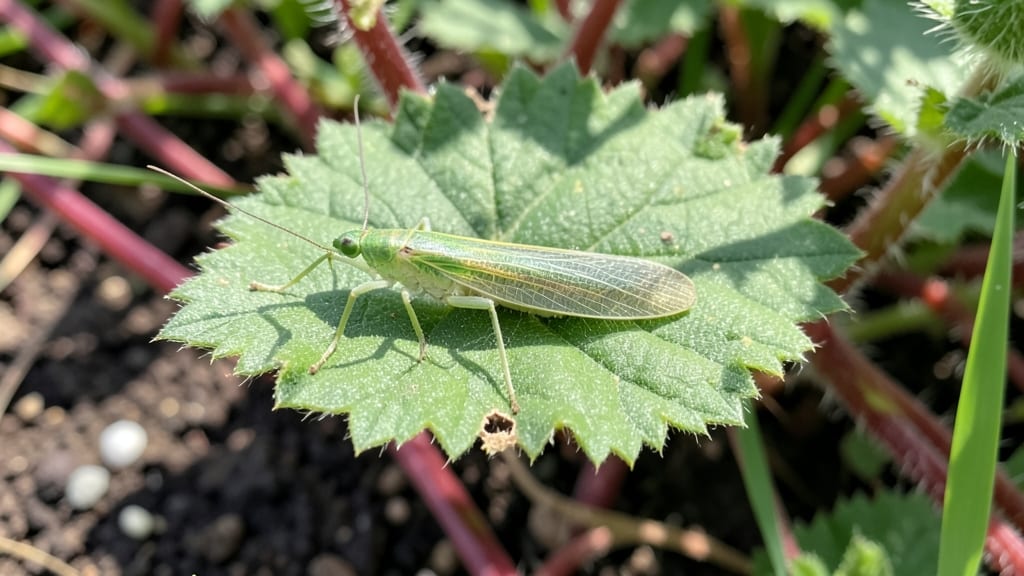
Green garden insects like aphids and leafhoppers can turn your thriving plants into a buffet overnight. 🌿 I’ve spent years watching these tiny invaders multiply, but I’ve also learned how to outsmart them without harming the beneficial bugs that keep your garden balanced.
The key is early action—spotting the first signs means you can stop an infestation before it becomes a full-blown crisis.
Most gardeners reach for sprays first, but that’s like using a sledgehammer on a gnat problem. Instead, I rely on humane traps—simple, non-toxic methods that lure pests away or disrupt their life cycles.
Think yellow sticky traps for whiteflies, soapy water sprays for soft-bodied insects, or even introducing ladybugs to munch on aphids naturally. These solutions work quietly in the background while protecting pollinators and soil health.
By the time you’re done reading, you’ll recognize the early warning signs—sticky leaves, curled edges, or tiny black specks (frass)—and know exactly which trap or remedy to use. Your plants will stay lush, your harvest will thrive, and you’ll avoid the guilt of chemical warfare.
The best part? These methods work just as well in small containers as they do in full-size gardens.
Whether you’re dealing with a sudden outbreak or just want to stay ahead, this approach keeps your garden productive and pest-free without sacrificing the ecosystem. Let’s turn those green invaders into a manageable (and even beneficial) part of your growing routine.
The Hidden Triggers Behind Visitors
Green garden insects—like aphids, cucumber beetles, or leafhoppers—don’t just show up out of nowhere. Their presence is often a response to specific conditions in your garden. Understanding these triggers helps you address the root cause rather than just reacting to the problem.
Here’s why these tiny guests decide to crash your garden party.
Many green garden insects thrive in damp, soggy conditions because their larvae or eggs need moisture to survive. Overwatering or heavy clay soil that doesn’t drain well creates the perfect breeding ground. For example:
- Aphids love tender, water-stressed plants and often cluster where leaves stay damp.
- Slugs and snails seek out moist soil to lay eggs, especially after rain or excessive irrigation.
- Fungal gnats lay eggs in wet potting mix, leading to a swarm of adult insects.
💡 Pro Tip: Test your soil’s drainage by digging a small hole and filling it with water. If it drains slowly (more than 30 minutes), amend with compost or sand to improve aeration.
Healthy plants naturally repel many pests because their strong defenses—like bitter tastes or tough leaves—deter feeders. But when plants are stressed (due to nutrient deficiencies, disease, or physical damage), they become prime targets. Common signs of stress that attract insects:
- Yellowing leaves (nitrogen deficiency) attract spider mites and whiteflies.
- Stunted growth (phosphorus deficiency) makes plants vulnerable to cabbage worms.
- Cracked or damaged bark invites borers and scale insects.
🌡️ Actionable Fix: Conduct a soil test to check pH and nutrient levels. Use organic fertilizers like compost tea or fish emulsion to boost plant resilience.
Gardens filled with a single type of plant (like a row of tomatoes or zucchinis) are like an all-you-can-eat buffet for insects. Without natural predators or plant diversity, pests multiply uncontrollably. For instance:
- Cucumber beetles devastate squash and melon patches because there’s nothing else to eat.
- Japanese beetles target roses and grapes en masse when these plants dominate.
- Colorado potato beetles focus on potato fields, leaving nearby herbs or flowers untouched.
✨ Solution: Practice interplanting—mix flowers (like marigolds or nasturtiums) with vegetables to disrupt pest cycles. Companion planting (e.g., basil with tomatoes) can also deter specific insects.
Many green garden insects are kept in check by their natural enemies, such as ladybugs, lacewings, or parasitic wasps. When these predators are absent—due to pesticide use, habitat loss, or urbanization—pest populations explode. For example:
| Pest | Natural Predator | Why It’s Missing |
|---|---|---|
| Aphids | Ladybugs, lacewings | Broad-spectrum pesticides kill both pests and predators. |
| Caterpillars | Parasitic wasps, birds | Monoculture gardens lack diverse habitats for predators. |
| Slugs | Ground beetles, frogs | Compacted soil or chemical slug baits eliminate their food sources. |
🔥 How to Help: Create predator-friendly zones with:
- Diverse plantings (e.g., dill for parasitic wasps, clover for ground beetles).
- Puddles or shallow water sources for beneficial insects.
- Avoiding neonicotinoids (systemic pesticides that harm predators).
By tackling these root causes—drainage, plant health, diversity, and ecosystem balance—you’ll make your garden less inviting to unwanted green guests while keeping it thriving for the good bugs too.
Humane Fixes for Garden Pests
When green garden insects invade your plants, the first instinct is often to reach for harsh chemicals—but those can harm your harvest and the environment. Instead, try these humane, effective solutions tailored to common causes.
Each fix balances pest control with plant health, so you can protect your garden without guilt.
Weak plants attract pests like aphids, slugs, and caterpillars because they’re easy targets. Here’s how to fortify them naturally:
- 🌱 Boost Plant Health
- Water deeply but less often to encourage strong root systems (shallow watering stresses plants).
- Use compost or organic fertilizer (like fish emulsion or worm castings) to provide nutrients without chemical overkill.
- Prune damaged leaves—pests love hiding in weak spots, so remove chewed or yellowing foliage regularly.
- 🌿 Companion Planting
- Pair vulnerable plants with natural repellents:
- Marigolds (deter nematodes and aphids).
- Basil (keeps flies and mosquitoes away).
- Nasturtiums (trap aphids and deter squash bugs).
- Interplant herbs like dill or fennel to attract beneficial insects (like ladybugs) that eat garden pests.
- Pair vulnerable plants with natural repellents:
- 💡 Pro Tip: Rotate crops yearly to prevent soil-borne pests from building up in one spot.
Slugs, snails, and fungus gnats thrive in damp conditions. Reduce their real estate with these tricks:
- 💦 Improve Drainage
- Raise beds slightly or add a layer of gravel or sand beneath potting mix to prevent waterlogging.
- Use mulch (straw, wood chips, or leaves) to retain moisture in the soil (not on leaves) and deter slugs.
- 🌧️ Adjust Watering Habits
- Water in the morning so foliage dries quickly (evening watering = slug paradise).
- Avoid overhead sprinklers—use drip irrigation or soaker hoses to keep leaves dry.
- 🕷️ Slug & Snail Barriers
- Copper tape around pots or beds gives them a mild electric shock (they hate it!).
- Crushed eggshells or diatomaceous earth create a gritty barrier they can’t cross.
If caterpillars or beetles are munching your greens, distraction tactics work better than poison:
- 🍎 Sacrificial Traps
- Plant nasturtiums or borage near vulnerable crops—pests will feast on these instead of your tomatoes or lettuce.
- Set up a "pest buffet" with a separate patch of collard greens or kale (hardy plants pests love).
- 🕸️ Encourage Natural Predators - Ladybugs, lacewings, and parasitic wasps eat aphids and caterpillars.
Attract them with: - Dill, parsley, or yarrow (their favorite nectar sources). - A shallow dish of water with pebbles (predators need hydration too!). - Buy beneficial insects from garden centers and release them at dusk.
- 🧹 Manual Removal (When Possible)
- Handpick large pests (like tomato hornworms) and drop them in soapy water.
- Use a strong spray of water in the morning to knock off aphids or mites.
Stop pests before they start with these low-effort habits:
- 🌱 Crop Rotation & Soil Care
- Rotate plant families yearly (e.g., don’t plant tomatoes where potatoes grew last season).
- Add mycorrhizal fungi to soil—it boosts plant immunity to pests.
- 🕯️ Light & Scent Tricks
- Yellow sticky traps catch whiteflies and fungus gnats (place near plants).
- Coffee grounds around plants repel slugs and ants (sprinkle fresh grounds weekly).
- 📅 Seasonal Checks
- Inspect new plants before bringing them home (quarantine for a week if possible).
- Clean up debris in fall—pests overwinter in dead leaves and stems.
Final Thought: The key to a pest-free garden is balance—healthy plants, happy predators, and smart prevention. Skip the chemicals, and you’ll enjoy a thriving, eco-friendly harvest! 🌱✨
Frequently asked questions
Are all green garden insects harmful to my plants?
Not at all! Many green garden insects are actually beneficial. Ladybugs, lacewings, and praying mantises help control pests like aphids. Even some caterpillars (like those from swallowtail butterflies) become pollinators. Focus on identifying which bugs are helping versus harming your garden before taking action.
How do I tell if my plants have an insect problem?
Look for these early signs: Sticky leaves (aphid honeydew), chewed edges, tiny black specks (frass from caterpillars), or yellowing leaves. Check the undersides of leaves where many pests hide. A quick inspection with a magnifying glass can reveal the culprit before damage spreads.
What's the fastest way to get rid of aphids without chemicals?
Try a strong spray of water first—it knocks off many aphids instantly. For stubborn clusters, mix 1 tablespoon of mild dish soap with 1 quart of water and spray directly (test on a small leaf first). Repeat every 3-4 days until they disappear. Ladybugs will also eat them if you provide them with shelter.
Can I use coffee grounds to repel insects?
Yes! Fresh coffee grounds work well against slugs, ants, and some beetles. Sprinkle them around plant bases or container edges—slugs avoid the gritty texture, and ants dislike the smell. For best results, reapply after rain. Just don't overdo it, as too much can acidify soil over time.
Why do I keep getting the same pests every year?
Pests often return because they find ideal conditions—like your favorite plants or damp soil. To break the cycle, rotate crops yearly, improve drainage, and introduce natural predators (like ladybugs). Also, clean up garden debris in fall where pests overwinter. Small changes make a big difference!