
Pests
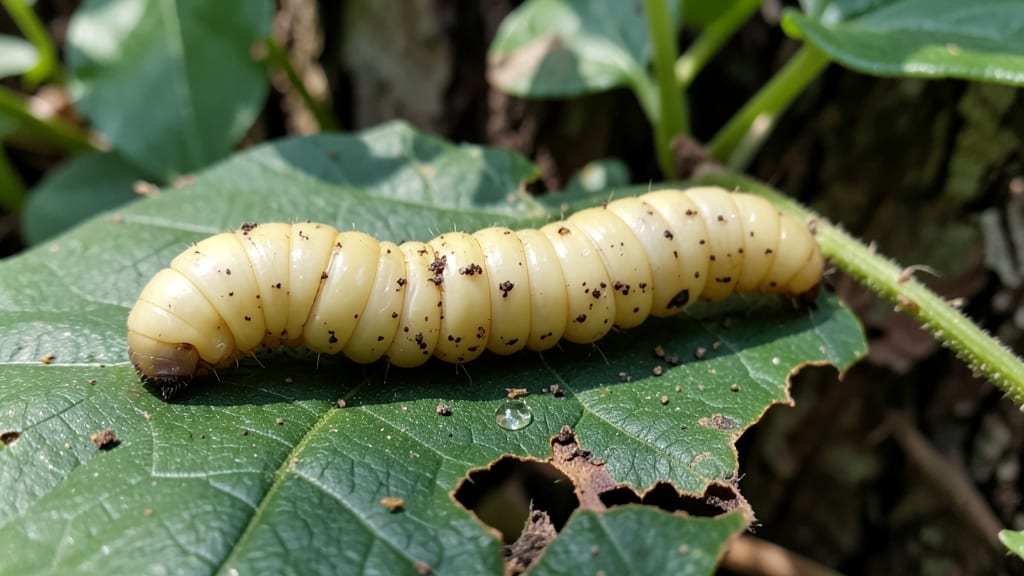
Large garden grubs turning your lawn into a Swiss cheese of tunnels and chewed roots? I’ve wrestled with these squirming pests for years, and I finally cracked the code on humane traps that actually work—no harsh chemicals required.
The key is understanding their behavior: they’re drawn to light, moisture, and the scent of decaying organic matter, which we can use against them.
Most grubs—like Japanese beetle larvae or European chafer grubs—spend their early months munching on grass roots, then pupate underground before emerging as adults. The damage you see now? That’s last year’s feeding habits coming back to haunt you.
But here’s the good news: simple traps using beer, cardboard, or even a DIY bucket setup can pull them out of hiding without harming your soil or local wildlife.
By morning, you’ll have a bucket full of wriggling grubs instead of a lawn full of brown patches. The traps work best in late spring or early summer when grubs are near the surface, and they’re completely safe for kids and pets once set up.
Plus, you’ll cut down on future infestations by breaking their life cycle.
This method works for both lawns and garden beds, though you’ll need to adjust trap placement based on where you’ve seen the most damage. Let’s get those grubs out of your yard for good—without turning your garden into a chemical battleground.
The Hidden Triggers Behind Grubs
Large garden grubs—those squirming, C-shaped larvae—don’t just appear out of nowhere. Their presence is a direct result of specific conditions that turn your lawn into their perfect buffet. Understanding these triggers is the first step to reclaiming your green space without resorting to harsh chemicals.
Let’s dig into the science behind why these pests thrive in your yard.
Grubs love moisture, but too much of it creates the ideal nursery for their eggs.
When soil stays soggy for extended periods—whether from overwatering, poor drainage, or heavy rainfall—female beetles (like Japanese beetles or June bugs) are drawn to lay their eggs in these damp conditions. Compacted soil exacerbates the problem by restricting root growth, making grass weaker and more vulnerable to grub feeding.
🔍 Why it matters: Compacted, waterlogged soil also limits beneficial microbes and predators (like birds and beetles) that naturally keep grub populations in check. Without these checks, larvae have free rein to munch on roots, leading to brown patches and weakened turf.
Healthy grass isn’t just about aesthetics—it’s your first line of defense against grubs. Thin, weak, or nutrient-deficient grass provides easy access for larvae.
When grass struggles to establish deep roots (often due to poor soil, lack of fertilization, or drought stress), grubs find it simpler to burrow in and feast on the shallow root systems.
📊 Key factors:
- Lack of nitrogen: Grubs prefer lawns with low nitrogen, as it makes roots softer and easier to digest.
- Drought stress: Stressed grass releases sugars into the soil, which attracts egg-laying beetles.
- Poor aeration: Grass with limited oxygen uptake (common in heavy clay soils) grows slowly, leaving it defenseless.
💡 Pro tip: Conduct a simple soil test to check pH and nutrient levels. Aim for a pH of 6.0–7.0 and ensure your lawn gets regular, balanced fertilization to keep roots robust.
The grubs you’re battling today are the offspring of adult beetles that visited your yard last summer or early fall. These beetles (e.g., Japanese beetles, June bugs, or European chafer) are attracted to:
- Flowering plants: Beetles feed on nectar from roses, grapes, and other blooms before laying eggs in nearby grass.
- Warm, sunny lawns: Grubs develop faster in temperatures between 70–90°F (21–32°C), so late-summer heatwaves trigger egg-laying surges.
- Freshly mowed grass: The scent of cut grass signals beetles that your lawn is lush and full of nutrients for their larvae.
🔥 Peak risk periods:
Beetle Type
Egg-Laying Season
Grub Activity Peak
Japanese Beetle
June–August
Late summer–fall (larvae overwinter)
June Bug
July–September
Fall (larvae feed until winter)
European Chafer
May–July
Summer (larvae emerge early)
✨ Actionable insight: If you notice adult beetles in your yard during these months, act fast—grubs will appear in 2–4 weeks. Set up traps or apply preventive treatments before eggs hatch.
While mulch is great for gardens, thick layers of organic matter (like fallen leaves, grass clippings, or wood chips) can inadvertently invite grubs. These materials:
- Retain excess moisture, creating damp microclimates.
- Provide shelter for beetles to lay eggs undetected.
- Break down into sugars that attract egg-laying adults.
🌡️ Temperature factor: Mulch also insulates the soil, keeping it warmer longer—another cue for beetles to deposit eggs. Thin mulch layers (1–2 inches) in high-risk areas to reduce this effect.
Practical Ways to Manage Garden Pests
Now that you understand why those pesky critters are invading your garden, let’s tackle the problem head-on with effective, humane, and easy-to-implement solutions.
Whether you’re dealing with large grubs, beetles, or other burrowing pests, these methods will help you reclaim your garden without harming beneficial insects or the environment.
Before jumping into treatments, pinpoint the exact pest causing damage. Common large garden grubs include:
- Japanese beetle larvae (white, C-shaped grubs)
- June bug grubs (stout, brownish larvae)
- Cutworms (smooth, dark, and often found near soil surface)
- Grubs from scarab beetles (shiny, segmented bodies)
💡 Pro Tip: Dig up a small section of lawn or garden bed at dusk (when grubs are most active) and check for signs of tunneling or chewed roots.
1. Encourage Beneficial Predators
Nature’s cleanup crew can eat grubs before they become a problem.
Attract these helpful allies: - Birds (robins, starlings, and thrushes love grubs) - Install birdhouses or birdbaths to lure them in. - Leave leaf litter in shady spots—it provides hiding spots for grubs (and birds!). - Ground beetles & predatory wasps - Avoid excessive tilling—these beetles thrive in undisturbed soil. - Toads & frogs - Create a small water feature (like a shallow dish with rocks) to attract them.
✨ Bonus: Plant marigolds, dill, or fennel—their strong scents repel some beetle adults before they lay eggs.
2. DIY Grub Traps (Humane & Effective)
If grubs are already wreaking havoc, traps are a great first line of defense without chemicals.
👨🍳 Step-by-Step Grub Trap Method:
- Choose a container – A plastic bucket, deep pot, or even a cut-in-half gallon jug works.
- Bait it right – Mix beer, molasses, or overripe fruit (grubs are attracted to fermentation).
- Dig & place –
- Bury the container flush with the soil (rim should be level).
- Fill it halfway with bait, then cover with a lightweight lid (like a board or mesh).
- Check weekly – Grubs will crawl in, drown, or get trapped. Empty and rebait as needed.
🔪 Alternative: For cutworms, use a jar trap—bury a jar halfway, leave the top open, and cover with a board. Worms will crawl in at night.
3. Soil & Garden Maintenance
Prevent future infestations by improving soil health and disrupting grub life cycles.
| Problem | Solution | How to Do It |
|---|---|---|
| Compacted soil | Grubs thrive in dense, waterlogged soil. | Aerate lawns in fall or spring with a core aerator. |
| Overwatering | Excess moisture attracts grubs and their predators (like fungus gnats). | Water deeply but less frequently; aim for 1 inch per week. |
| Excess organic matter | Too much thatch or mulch can harbor eggs. | Rake up thick layers of leaves/debris in late summer (before beetles lay eggs). |
| Weak plants | Stressed plants attract pests. | Fertilize in early spring with low-nitrogen, high-phosphorus (e.g., 5-10-10). |
🌡️ Timing Matters: Most beetle adults emerge in late spring/early summer—this is when they lay eggs. Treat soil in early fall to catch larvae before they mature.
Want to keep grubs away long-term without pesticides? Try these:
- 🌿 Plant resistant varieties – Some plants (like geraniums, boxwoods, or roses) are less appealing to beetles.
- 🕯️ Use nematodes – Beneficial nematodes (Heterorhabditis bacteriophora) are microscopic worms that paralyze and kill grubs naturally.
- Apply in early evening when soil is moist.
- Reapply every 4-6 weeks during grub season.
- 🔄 Rotate crops – If grubs target specific plants (like tomatoes or corn), change plant locations yearly.
- 🌞 Solarize soil – In hot climates, cover infested areas with clear plastic sheeting for 4-6 weeks in summer to bake out larvae.
Grubs go through three life stages:
- Eggs (laid in late spring/early summer)
- Larvae (grubs) (peak in late summer/fall)
- Pupae (overwinter, emerge as adults next year)
🎯 Best intervention windows:
- Early fall (September-October) – Treat when grubs are young and vulnerable.
- Late spring (May-June) – Target newly hatched grubs before they cause damage.
Final Thought: The key to long-term grub control is combination tactics—traps + predators + soil health. Start with humane methods first, then escalate only if needed. Your garden (and your plants) will thank you! 🌱
Frequently asked questions
What do large garden grubs look like?
Most garden grubs are C-shaped, white or tan, and about 1/2 to 1 inch long when mature. Japanese beetle larvae have a smooth body with six legs, while June bug grubs are stouter and brownish. Look for them tunneling in soil or under mulch during damp evenings.
Are these grubs harmful to humans or pets?
No, garden grubs aren’t dangerous to touch or eat (though they’re not edible). Some pets like birds and toads actually eat them! However, their feeding destroys grass roots, causing brown patches. The key is removing them before they damage your lawn or garden beds.
How long do DIY grub traps take to work?
With beer or molasses bait, you’ll typically see results within 3-5 days in warm weather. For best results, place traps in late afternoon when grubs are most active. Check weekly and refresh bait every 5-7 days during peak grub season (summer to early fall).
Can I use vinegar or salt to kill grubs?
Not effectively. Vinegar and salt won’t penetrate the soil to reach grubs, and they’ll harm beneficial soil organisms. For organic control, stick to beneficial nematodes or neem oil (applied to soil). The beer traps mentioned earlier are far more reliable for large grubs.
When is the best time to treat for grubs?
The ideal window is late spring to early summer (May-June) when eggs hatch, or early fall (September-October) when young grubs are near the surface. Avoid treating in winter when grubs are deep underground. Timing matters because their life cycle makes them most vulnerable during these periods.