
Tools
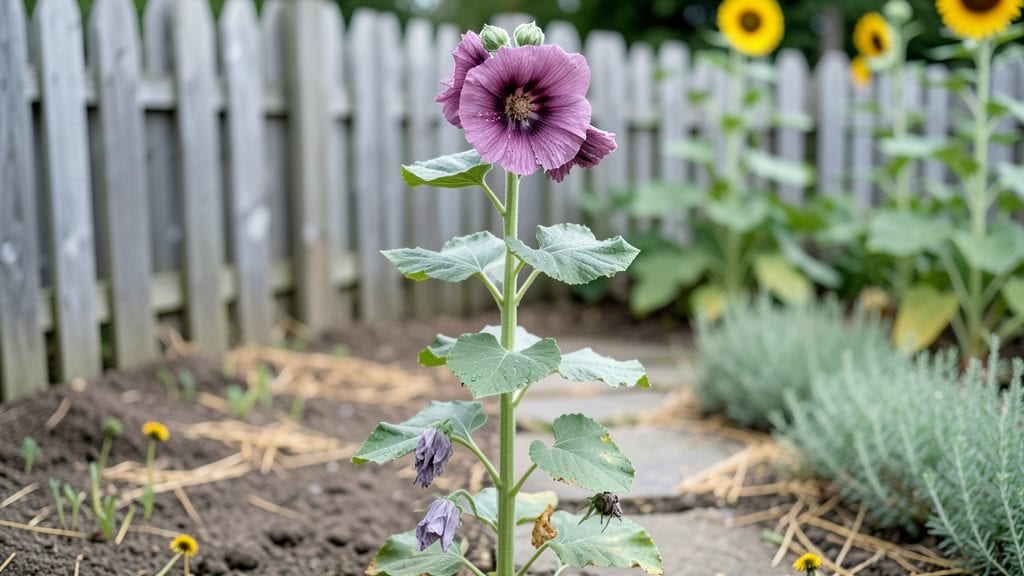
Creating a hollyhock cottage garden starts with those towering, lacey blooms that make every path feel like a storybook scene. 🌿 I remember the first time I saw a cottage garden overflowing with hollyhocks—their rust-colored stems and velvety petals swaying in the breeze, framing a wooden gate like something out of a fairy tale.
Hollyhocks thrive in informal groupings, so cluster them with roses, lavender, and delphiniums for that classic cottage charm. They love full sun but tolerate partial shade, and their tall spikes (up to 6 feet!) need sturdy support—think rustic trellises or woven willow stakes.
The key is letting them mingle with other tall perennials to create that lush, layered look.
By mid-summer, your garden will burst with vertical drama and romantic texture—hollyhocks in soft pinks, deep reds, or creamy whites, their papery blooms contrasting against the rough bark of a nearby apple tree.
The scent? Lightly sweet, like a summer breeze carrying secrets. This isn’t just a garden; it’s a living postcard.
Works in any sunny corner, from cottage-style borders to wildflower meadow edges. Let’s bring that timeless magic to your space—one seed packet at a time.
📚 In This Guide
- What you need
- Instructions
- Tips and common mistakes
- Wrapping up and next steps
What you need
- ● Hollyhocks (Alcea rosea) – 3–5 plants (tall varieties like ‘Black Prince’ or ‘Chater’s Double’ for drama)
- ● Lavender (Lavandula) – 2–3 bushes (for fragrance and structure)
- ● Delphiniums (Delphinium elatum) – 2–4 plants (for height and color contrast)
- ● Roses (old-fashioned varieties) – 1–2 climbing or shrub roses (e.g., ‘Blush Noisette’ or ‘David Austin’)
- ● Foxgloves (Digitalis purpurea) – 5–10 seeds or plants (for whimsical spires)
- ● Sweet peas (Lathyrus odoratus) – 10–15 seeds (for climbing fragrance)
- ○ Perennials (optional but recommended) – Peonies, hollyhocks, or lupines for long-term texture
- ● Garden trowel (for planting)
- ● Pruning shears (for shaping and maintenance)
- ● Garden fork (for loosening soil)
- ● Watering can or hose (with adjustable nozzle)
- ● Organic compost (5–10 gallons, depending on garden size)
- ● Mulch (straw or shredded bark, 2–3 bags)
- ● Garden stakes or trellises (for climbing plants, 4–6 pieces)
- ● Gloves (heavy-duty for thorny roses)
- ○ pH testing kit (optional, to ensure soil is slightly alkaline for hollyhocks)
- ● Sunny to partially shaded spot (6+ hours of sunlight daily)
- ● Well-draining, fertile soil (amend with compost if needed)
- ● Space for tall plants (hollyhocks can reach 6–8 feet!)
- ● Patience—some plants (like hollyhocks) take 2–3 years to reach full bloom
Instructions for planting a hollyhock cottage garden
Here's how to create a classic, dreamy border that adds vertical drama and old-world charm to any garden.
🌱 Step 1: Choose the Perfect Planting Location
Hollyhocks thrive in full sun—at least 6 hours daily—so pick a spot that gets morning sunlight and afternoon shade if your climate runs hot. I always check the area for afternoon breezes; hollyhocks grow tall and need support, so a sheltered location prevents flopping stems. A north-facing wall or fence provides natural backing and protection from strong winds.
Test the soil by digging a 6-inch deep hole. If it feels compacted or clay-heavy, hollyhocks will struggle. Amend with 2-3 inches of compost mixed into the top 12 inches of soil. The roots need room to spread, so avoid planting where other perennials already compete for nutrients.
🪴 Step 2: Prepare the Planting Site
Mark your planting spots 3 feet apart in rows—hollyhocks grow 4-6 feet tall and need space to avoid overcrowding. Dig holes twice as wide as the root ball but only as deep as the container they came in. This prevents burying the crown, which causes rot.
Loosen the roots gently if they're circling in the pot. Place each plant in its hole, then fill with soil, pressing lightly to remove air pockets. Water deeply right after planting to settle the soil and encourage root contact. You'll see the first signs of success when the leaves perk up and stand upright within 24 hours.
☀️ Step 3: Provide Support and Maintenance
Install 3-4 foot tall stakes or a trellis at planting time—hollyhocks grow too top-heavy to support themselves. Tie stems loosely with soft garden twine as they grow to avoid damaging the bark. I like to weave the twine in a figure-eight pattern around the main stem and a side branch to distribute weight.
Water 1-2 inches per week, keeping soil consistently moist but not soggy. Hollyhocks are drought-tolerant once established, but the first year needs steady moisture. You'll know they're happy when the foliage stays deep green and the stems remain firm. Mulch with 2-3 inches of organic mulch around the base to retain moisture and suppress weeds.
✂️ Step 4: Prune for Health and Bloom
Deadhead spent blooms by cutting back to the first set of healthy leaves below the flower head. This encourages more blooms and prevents seed pods from forming, which saps energy. I prune in the late afternoon when temperatures drop to reduce stress on the plant.
In early spring, cut back last year's stems to 6 inches tall to make room for new growth. This also prevents rust disease, which thrives in old foliage. Watch for powdery mildew—hollyhocks are prone to it in humid climates. If you see white powder on leaves, treat with a fungicide spray and improve airflow by thinning stems if needed.
🌿 Step 5: Enjoy and Extend the Season
Hollyhocks bloom from early summer to fall, but you can extend the show by planting a mix of early, mid, and late varieties. For example, 'Black Prince' starts blooming in June, while 'Lady of the Lake' continues into October. Group them in odd-numbered clusters—3, 5, or 7 plants—to create natural focal points.
After the first frost, cut back the stems to 1-2 inches tall and leave the mulch in place. Hollyhocks are hardy perennials, so they'll return year after year with minimal care. The key to long-term success is keeping the soil rich and the stems supported—your cottage garden will reward you with towering blooms for decades.
Tips & tricks for perfect hollyhock cottage gardens
Creating a dreamy hollyhock border takes more than just planting—here's what I've learned to make those towering blooms thrive for years.
Sunlight Strategy: The 6 hours of daily sun is non-negotiable, but I've found that morning sun with afternoon shade works best in hot climates. If your garden gets intense afternoon heat, consider planting near a north-facing wall that provides shade while still allowing morning light. Hollyhocks will reward you with taller stems and more blooms when they get that perfect balance.
Soil Prep Secret: Don't skip the 6-inch soil test—I've seen hollyhocks struggle in compacted soil even when other plants thrive. If your soil feels heavy, mix in 2-3 inches of compost into the top 12 inches of soil. This creates the loose, well-draining environment hollyhocks crave. For extra insurance, I add a handful of perlite to help with drainage if my soil tends to stay wet.
Planting Depth Matters: When preparing those twice-as-wide holes, remember the depth rule: match the container depth exactly. Burying the crown (where stems meet roots) causes rot that can kill your plants before they even get established. I always check the root ball before planting to ensure I'm not accidentally covering the crown with soil.
24-Hour Check: That first 24 hours after planting is critical—watch for leaves that perk up and stand upright. If they stay limp after watering, your plant might be struggling with root shock. Give it another deep watering and check the soil moisture. Healthy hollyhocks should show visible improvement within that first day.
Pro Tips for Hollyhock Cottage Garden
- Creating a dreamy hollyhock border takes more than just planting—here's what I've learned to make those towering blooms thrive for years.
- Sunlight Strategy: The 6 hours of daily sun is non-negotiable, but I've found that morning sun with afternoon shade works best in hot climates.
- Soil Prep Secret: Don't skip the 6-inch soil test—I've seen hollyhocks struggle in compacted soil even when other plants thrive.
Frequently asked questions
Got questions about creating your dream hollyhock cottage garden? You’re not alone! Here are some of the most common queries—plus practical answers to help you bring this romantic vision to life.
What’s the best time of year to plant hollyhocks?
For most U.S. climates, spring (March–May) is ideal—after the last frost but before summer heat. Hollyhocks thrive with cool roots! If you’re in a mild zone (Zones 8–10), fall planting (Sept–Nov) also works. Pro tip: Soak bare-root plants overnight before transplanting for a smoother start.
How do I keep my hollyhocks from flopping over?
Hollyhocks are tall but can get leggy! Stake them early (use bamboo stakes or decorative trellises) to prevent flopping. Plant in well-draining soil and space them 18–24 inches apart for airflow. Deadhead spent blooms to encourage more flowers—and avoid over-fertilizing, which promotes leafy growth over stems.
Why are my hollyhock leaves turning yellow or spotted?
Yellowing leaves often signal overwatering or fungal issues (like rust or powdery mildew). Troubleshoot:
- Check soil moisture—hollyhocks prefer moderately dry conditions.
- Remove infected leaves and space plants for airflow to deter mildew.
- Apply neem oil preventatively if pests (like aphids) are present.
Can I grow hollyhocks in containers?
Choose large pots (12+ inches deep) with drainage holes and use well-amended potting mix. Dwarf varieties (like ‘Black Night’) are perfect for containers. Just water consistently and fertilize lightly every 4–6 weeks. Bonus: Containers let you move hollyhocks to sunny spots or bring them indoors before frost!
What are some low-maintenance alternatives to hollyhocks?
If hollyhocks seem high-maintenance, try these romantic, easy-care cottage garden stars:
- Delphiniums – Tall, striking, and self-supporting (just deadhead!).
- Foxgloves – Biennial but drought-tolerant once established.
- Roses (e.g., ‘The Fairy’) – Classic cottage charm with fewer pests than hollyhocks.
- Lavender – Fragrant, drought-resistant, and pollinator-friendly.
How long do hollyhocks take to bloom?
Patience pays off! First-year plants may produce small flowers (if at all), but full blooms typically arrive 1–2 years after planting. Biennial varieties (like ‘Lady in Black’) often bloom heavily in their second year. Tip: Plant seeds indoors 8–10 weeks before last frost for earlier flowers.
Wrapping up and next steps
A hollyhock cottage garden isn’t just a dream—it’s a celebration of nature’s charm, where towering blooms and lush textures create a magical retreat. Whether you’re a seasoned gardener or a beginner with a green thumb, this timeless style brings joy, color, and life to any space. 🌸
Ready to dive in? Start small—plant a few hollyhocks or mix in cottage favorites like roses, lavender, or foxgloves. Sketch a simple layout, gather your tools, and let your garden grow into a storybook haven. The best part? Every season offers a new chapter!