Trees
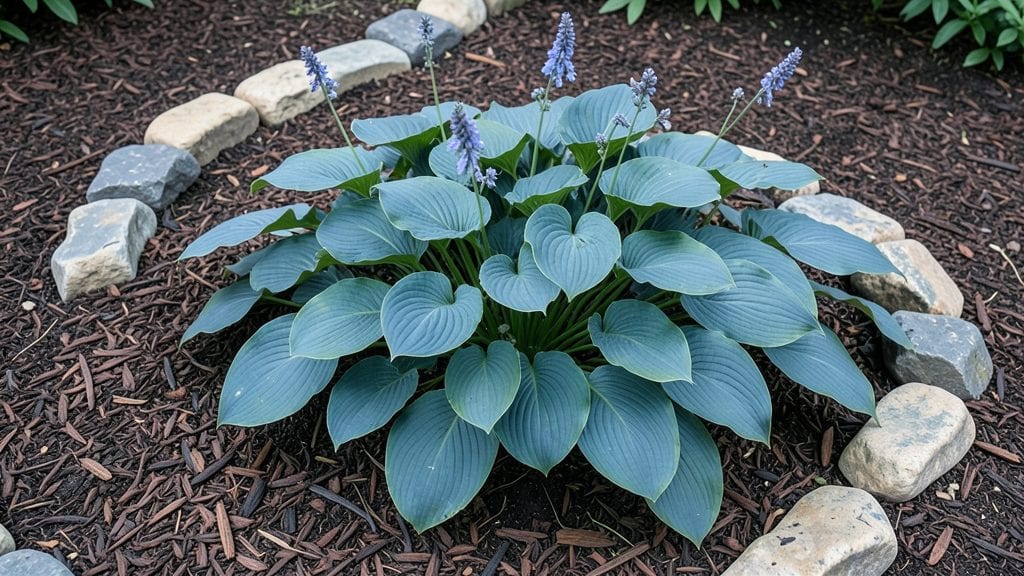
Hosta gardens pictures reveal how these shade-loving plants create dramatic, textured landscapes with bold foliage contrasts. Designs often combine 'Blue Angel' or 'Francee' varieties as centerpieces, surrounded by ferns and heuchera for layered depth, while mulch and ground covers preserve their lush appearance year-round.
These gardens thrive by leveraging hostas' natural diversity—some varieties like 'Patriot' or 'Sum and Substance' add architectural interest, while smaller types like 'Blue Mouse Ears' create delicate groundcover. 💫 The key is strategic placement: taller hostas at the back anchor the design, while lighter shades near walkways brighten shaded paths.
I've seen the best setups incorporate seasonal bloomers (like astilbe or toad lilies) to extend visual appeal beyond the hostas' foliage alone.
For low-maintenance appeal, I recommend grouping hostas by similar care needs—moisture-loving types together, drought-tolerant varieties in sunnier spots. The contrast between hostas' glossy leaves and ferns' delicate fronds creates natural texture, while heuchera's velvety foliage adds another dimension.
Mulching with shredded bark not only suppresses weeds but also keeps roots cool, which is especially important during summer heatwaves.
💡 In This Article
- Design Principles for Stunning Hosta Garden Layouts
- Best Hosta Pairings for Shade and Sun Tolerance
Design principles for stunning hosta garden layouts
Creating visual harmony in hosta gardens starts with understanding their natural growth patterns. Hostas grow in distinct tiers—tall varieties like 'Sum and Substance' (reaching 3-4 feet tall) belong at the back, while medium-height types such as 'Francee' (18-24 inches) create the middle layer.
The front layer should feature low-growing varieties like 'Blue Mouse Ears' (6-8 inches), which spill gently over edges. This tiered approach mimics natural woodland understory layers, where sunlight gradually filters through different plant heights.
The color contrast between hostas' foliage is what truly elevates these gardens. Variegated types like 'Halcyon' (with blue-green centers and cream edges) create striking visual interest when paired with solid dark varieties such as 'Blue Angel' (deep indigo-blue leaves).
The science behind this contrast lies in how our eyes perceive color temperature—cool blues and purples next to warm creams create a dynamic visual dance. For maximum impact, I recommend grouping 3-5 hostas of similar color intensity together, then transitioning to lighter shades toward walkways or garden edges.
Texture plays an equally important role in hosta gardens. The velvety, almost suede-like surface of 'Patriot' hostas contrasts beautifully with the waxy, almost plastic texture of 'June' hostas. When designing, I like to incorporate three texture types: smooth (like 'Guacamole'), ruffled (like 'Royal Standard'), and thick-leaved (like 'Francee').
This creates a tactile experience that's as engaging as it is visually appealing. For example, pairing the thick, leathery leaves of 'Sum and Substance' with delicate ferns adds both visual and textural contrast.
Seasonal interest extends the garden's appeal beyond summer. While hostas provide year-round foliage interest, their performance peaks in late spring through early fall.
To maintain visual appeal in winter, I recommend planting hostas alongside evergreen ground covers like periwinkle (Vinca minor) or sweet woodruff (Galium odoratum), which provide subtle texture and occasional blooms.
In spring, pairing hostas with daffodils or bleeding heart creates a stunning contrast between their early blooms and the emerging hosta foliage.
Different garden styles benefit from specific hosta arrangements. Cottage gardens thrive with mixed heights and colors, creating a natural, slightly wild look.
Woodland gardens should emphasize shade-tolerant varieties with dappled light effects, while modern gardens benefit from clean lines and geometric plantings with hostas like 'Halcyon' or 'Francee' as focal points.
For each style, I recommend using astilbe or coral bells as supporting plants—their upright forms contrast beautifully with hostas' horizontal growth patterns.
Lighting also transforms hosta gardens at night. Solar-powered path lights (10-15 watts) placed among hostas create magical glows, especially when they illuminate variegated foliage. The blue-green hues of 'Blue Angel' take on an almost ethereal quality under artificial light, while the cream edges of 'Halcyon' glow softly.
For maximum effect, I suggest installing lights at 12-18 inches above the hosta crowns to avoid direct leaf contact. 💫