How To
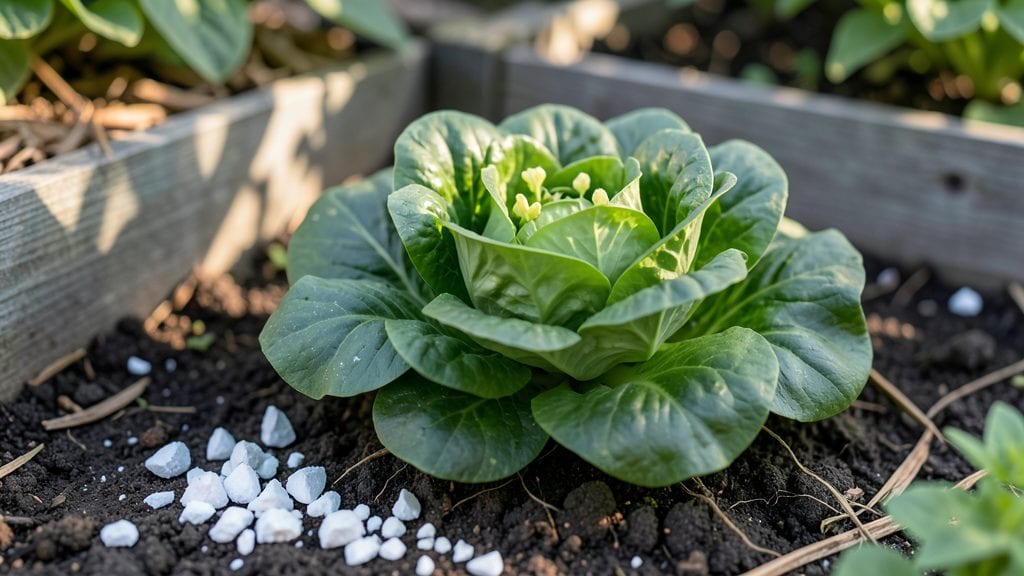
Crushing eggshells for garden use turns kitchen scraps into a free, nutrient-packed soil booster that saves you money and strengthens your plants. 🌱 I used to toss those shells after breakfast, but now they’re the secret weapon in my compost and garden beds—adding calcium, deterring slugs, and improving soil structure without a single trip to the store.
The process is simpler than you’d think: clean, dry, and crush the shells with a rolling pin, blender, or food processor. No special tools needed—just a few minutes and a little elbow grease.
I sterilize mine in the oven for 10 minutes to kill bacteria, then store them in a jar until ready to use. It’s the kind of project that takes 10 minutes but pays off all season long.
Once crushed, sprinkle the shells directly into planting holes, mix them into compost, or scatter them around plants to deter pests. Your tomatoes and peppers will thank you with stronger stems and sweeter fruit, while your soil stays loose and well-aerated.
The best part? You’re reducing kitchen waste while giving your garden a natural, chemical-free boost.
Works year-round, but spring planting is the perfect time to start—just keep a jar by the sink and crush shells as you go. No more excuses for skipping this easy, effective garden hack. Let’s get those shells crushed and your soil thriving!
📚 In This Guide
- What you need
- Instructions
- Tips and common mistakes
- Wrapping up and next steps
What you need
- ● Clean, empty eggshells – Aim for at least 10–20 shells (more = more nutrients!). Rinse thoroughly to remove residue.
- ● Plastic bag or sturdy container – A quart-sized ziplock bag (or a small cardboard box) works perfectly for crushing.
- ● Rolling pin or heavy object – A 1–2 lb rolling pin (or a clean can/mason jar) for smashing.
- ○ Gloves (optional but recommended) – Protect your hands from sharp edges (nitrile or latex gloves work great).
- ● Small shovel or trowel – For mixing crushed shells into soil (a 3–4 inch blade is ideal).
- ● Compost or garden soil – Ready to mix with your crushed shells (aim for 1–2 cups of shells per gallon of soil).
- ● Mortar and pestle – For fine, powdery shells (great for seedlings!).
- ● Food processor or blender – Speed up crushing for large batches (pulse in short bursts!).
- ● Baking sheet – To bake shells at 200°F for 10–15 mins (kills bacteria if using raw eggshells).
- ● Eggshell drying rack – Speeds up drying time if you crush fresh shells.
Step-by-Step instructions for using crushed eggshells in your garden
Here's my go-to method for turning kitchen scraps into a free, nutrient-rich soil booster.
🌱 Step 1: Collect and Clean Eggshells
Save clean eggshells from your kitchen—just rinse them thoroughly to remove any leftover egg residue or membrane. I like to do this right after cracking eggs, so the shells stay fresh and easy to clean. Pat them dry with a paper towel to speed up the drying process.
Let the shells air-dry completely for 24-48 hours before crushing. This prevents mold growth and makes them easier to break. Place them on a baking sheet in a sunny spot or near a fan to dry faster. You'll know they're ready when they feel light and make a hollow sound when tapped together.
✂️ Step 2: Crush the Eggshells
Use a clean rolling pin, mortar and pestle, or the bottom of a heavy pot to crush the dried eggshells into small pieces. I find a rolling pin works best—just place a shell on a cutting board and roll over it firmly. Aim for pieces about ¼ to ½ inch in size.
For extra efficiency, spread the shells on a baking sheet and crush them in batches. Avoid using a blender unless you're making a fine powder for compost—it can create a mess and isn't necessary for most garden uses. Once crushed, store the pieces in a paper bag or airtight container until ready to use.
💧 Step 3: Prepare Eggshells for the Garden
For direct soil use, sprinkle the crushed eggshells around the base of plants or mix them lightly into the top 1-2 inches of soil. I like to do this when planting or transplanting, as it provides a slow-release source of calcium over time. Avoid burying them too deep—they work best near the surface where roots can access the nutrients.
If you're composting, add the crushed shells directly to your compost pile. They'll break down slowly and add calcium to your finished compost. For a quick nutrient boost, soak the crushed shells in water for 24 hours, then strain and use the liquid as a foliar spray or soil drench. This releases calcium faster for plants that need it immediately, like tomatoes or peppers.
☀️ Step 4: Apply to Plants and Monitor
Apply crushed eggshells to your garden once every 4-6 weeks during the growing season. This timing helps maintain soil calcium levels without overdoing it. Water the area lightly after applying to help the shells settle into the soil and start breaking down.
Watch for signs that your plants are benefiting—stronger stems, healthier leaves, and fewer blossom-end rot issues in tomatoes or peppers. If you notice new growth looking particularly robust or blossoms forming more easily, your eggshells are working! Just remember, eggshells are a supplement, not a replacement for balanced fertilization.
Tips & tricks for perfectly crushed eggshells
Here's what I've learned from years of turning kitchen scraps into garden gold—these little tricks make all the difference.
Drying is Everything: The 24-48 hour drying time in Step 1 isn't just about preventing mold—it's about creating the perfect texture. Eggshells should feel light and make a hollow sound when tapped. If you're short on time, place them in a single layer on a baking sheet in the oven at its lowest setting (around 200°F) for about 1 hour. Just keep an eye on them to avoid burning!
Crushing Technique Matters: When aiming for those ¼ to ½ inch pieces in Step 2, I've found that a rolling pin gives the most consistent results. Place the shell on a cutting board and roll firmly but evenly—too much pressure can create dust instead of usable pieces. For stubborn shells, freeze them for 10 minutes first; the cold makes them more brittle and easier to crush.
Storage Wisdom: Once crushed, store your eggshells in a paper bag rather than an airtight container. The slight breathability helps prevent moisture buildup that could lead to mold. Label the bag with the date—crushed shells will keep for up to 6 months in a cool, dry place. If you notice any shells developing a white film after storage, simply remove those few pieces before using.
Soaking Secret: For that quick nutrient boost mentioned in Step 3, use distilled or rainwater instead of tap water when soaking crushed shells for 24 hours. Tap water often contains chlorine and other chemicals that can interfere with nutrient absorption. Strain through a fine-mesh sieve or cheesecloth, then store the liquid in a spray bottle for easy application to plant leaves or soil.
Pro Tips for Crush Egg Shells For Garden
- Here's what I've learned from years of turning kitchen scraps into garden gold—these little tricks make all the diffe...
- Drying is Everything: The 24-48 hour drying time in Step 1 isn't just about preventing mold—it's about creating the p...
- Crushing Technique Matters: When aiming for those ¼ to ½ inch pieces in Step 2, I've found that a rolling pin gives t...
Frequently asked questions
Got questions about crushing eggshells for your garden? You’re not alone! Here are some of the most common concerns—and their easy answers—to help you get the most out of this simple soil booster.
Can I use eggshells straight from the fridge, or do I need to bake them first?
You can use raw eggshells, but baking them first (at 200°F/93°C for 10–15 minutes) speeds up decomposition and kills bacteria. If you’re short on time, raw shells will still work—they’ll just take longer to break down. Pro tip: Rinse them well to remove any egg residue!
How long does it take for crushed eggshells to break down in the soil?
Crushed eggshells typically decompose in 3–6 months, depending on soil conditions. They’ll contribute calcium and trace minerals to the soil long before they fully disappear. For faster results, grind them into a fine powder or mix them into compost.
What’s the best way to store crushed eggshells before using them in the garden?
Store them in a dry, airtight container (like a mason jar) until ready to use. If they start to smell or look moldy, toss them—moisture is the enemy here! Label the container so you don’t accidentally use them for baking instead.
Are there any plants that shouldn’t get eggshells?
Eggshells are generally safe for most plants, but acid-loving plants like blueberries or azaleas might not need the extra calcium. Overdoing it could raise soil pH too much. Always monitor your soil’s pH if you’re growing sensitive plants.
What can I do with leftover eggshells if I don’t have a garden?
No garden? No problem! Crush them and mix into potted plants, compost, or even homemade fertilizer tea. You can also donate them to community gardens or composting programs. Just avoid tossing them in the trash—they don’t break down in landfills!
Wrapping up and next steps
Crushing eggshells for your garden is a simple, eco-friendly way to boost soil health and give your plants a nutrient-rich foundation! 🌱 With just a few minutes of effort, you’re turning kitchen scraps into a powerful amendment that supports strong roots and thriving greenery.
Whether you’re a seasoned gardener or just starting out, this method proves that sustainability and convenience go hand in hand.
Now that you’re armed with the how-to, take the next step: start small. Dedicate a corner of your garden to test the crushed eggshells, observe the changes, and soon, you’ll be confidently incorporating them into your entire plot. Happy gardening—your plants (and the planet) will thank you! 🌟