
Pests
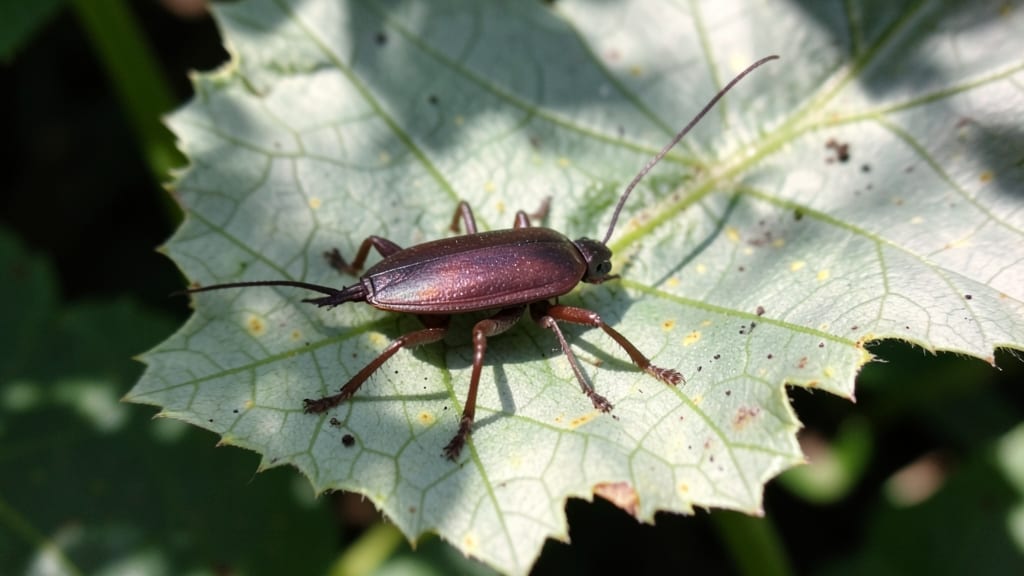
Getting earwigs out of your garden starts with understanding their sneaky habits—those pincered pests hide under mulch, boards, and rocks by day but raid plants at night.
I’ve wrestled with infestations that left my hostas looking like Swiss cheese, and the key to stopping them isn’t brute force but smart, targeted moves that disrupt their life cycle. The right traps, barriers, and habitat tweaks can make your garden a no-go zone in just a few weeks.
Most people grab pesticides first, but earwigs are actually helpful when kept in check—they eat aphids and decaying matter. The problem is when they move indoors or overrun your prized plants.
My go-to methods include rolled-up newspaper traps (they crawl inside and can’t escape), copper tape barriers (they hate the metal), and improving drainage to dry out their favorite hiding spots. Even diatomaceous earth works if you’re okay with a little dusting.
By next week, you’ll see fewer pincers poking out of your mulch and more pollinators buzzing around. The secret is consistency—check traps daily, keep mulch thin, and avoid overwatering. Once you break their cycle, they’ll move on to easier pickings elsewhere. Let’s get your garden back to thriving.
Works for vegetable patches, flower beds, or even patios where they hide under furniture. The same principles apply whether you’re dealing with a small nuisance or a full-blown invasion. Here’s how to make it happen without chemicals.
The Hidden Triggers Inviting Earwigs
Earwigs don’t just wander into your garden by accident—they’re drawn in by specific conditions that make your outdoor space feel like an all-you-can-eat buffet. Understanding these triggers is the first step to reclaiming your yard. Let’s break down the science behind why these critters show up uninvited.
🌱 Moisture Magnet: Their Favorite Hideout
Earwigs thrive in damp environments because their exoskeletons are prone to drying out. If your garden has:
- Poor drainage (water pooling after rain or irrigation).
- Thick mulch or decaying organic matter (like rotting leaves or wood chips).
- Shady, humid microclimates (earwigs avoid direct sunlight).
Why it matters: Earwigs seek out moist soil and leaf litter to burrow into, especially under rocks, boards, or dense plant beds. A single damp corner can turn your garden into a five-star earwig hotel.
🍃 Plant Buffet: What’s Growing (and What’s Not)
Earwigs are opportunistic feeders, but they have preferences:
- They love tender, young plants (like lettuce, roses, or strawberries) because their soft tissue is easy to chew.
- They avoid tough, woody plants (like lavender or rosemary) because their jaws can’t penetrate them.
- Decaying matter attracts them—overwatered compost piles or fallen fruit are like neon signs.
Why it matters: If your garden is a mix of delicate greens and moist organic debris, earwigs will see it as a smorgasbord. Even if they’re not eating your plants directly, they’ll use them as cover during the day.
🌙 Nighttime Raiders: Their Behavior Patterns
Earwigs are nocturnal for a reason—they’re vulnerable to predators (like birds and spiders) in daylight. Their invasion peaks when:
- Nighttime temperatures stay mild (60–75°F is ideal for them).
- Humidity is high (they’re less active in dry, windy conditions).
- Your garden stays dark at night (they avoid well-lit areas).
Why it matters: If your yard is dimly lit or has plenty of hiding spots (like dense foliage or ground cover), earwigs will move in en masse. They’re also drawn to artificial lights, which attract insects they prey on.
🏡 Human Habits Accelerating the Problem
Sometimes, earwigs hitch a ride or get an open invitation:
- Overwatering (keeps soil perpetually damp).
- Leaving firewood or debris piles (creates perfect nesting sites).
- Using heavy mulch without aeration (traps moisture and heat).
- Planting earwig-friendly crops (like cabbage or beans) without barriers.
Why it matters: Earwigs don’t discriminate—they’ll exploit any oversight. Even well-meaning gardening practices (like thick mulch for moisture retention) can backfire if not managed properly.
Next up: We’ll dive into actionable fixes to disrupt these triggers and send earwigs packing for good. 🚫🐜
Practical Ways to Banish Earwigs
Earwigs may be small, but their impact on your garden can feel huge—especially when they munch on your prized plants or hide in cozy nooks. The good news? You don’t need harsh chemicals to evict them.
Below, we’ve mapped out targeted solutions based on why they’re invading in the first place, along with preventive steps to keep them from returning.
🌱 Overcrowded or Damp Soil? Fix Moisture & Shelter
Earwigs thrive in damp, shaded areas with plenty of hiding spots. If your garden has thick mulch, dense foliage, or poor drainage, they’ll stick around like uninvited houseguests.
🔥 Step 1: Reduce Moisture Hotspots
- Improve drainage: Amend soil with compost or sand to help water drain faster. Avoid overwatering—earwigs love soggy conditions!
- Clear debris: Remove leaf litter, fallen branches, and thick mulch piles (especially near foundations or garden beds). Store firewood away from your home.
- Use gravel or bark mulch: These materials dry out faster than organic mulch and deter earwigs from nesting.
👨🍳 Step 2: Block Their Entry Points
Earwigs squeeze into tiny cracks, so seal up their favorite hideouts:
- Caulk gaps around doors, windows, and foundation vents.
- Install door sweeps to block entry under exterior doors.
- Check potted plants—earwigs often hitchhike inside. Inspect and clean pots regularly.
💡 Prevention Tip:
Install copper tape around garden beds or raised planters. Earwigs dislike the metal’s texture and will avoid crawling over it!
🍳 Attracted to Decaying Plant Matter? Clean Up & Distract Them
If your garden is a buffet of rotting leaves, compost piles, or overripe fruit, earwigs will move in for the feast.
🔪 Step 1: Remove Food Sources
- Pick up fallen fruit: Earwigs adore overripe berries, tomatoes, and citrus. Harvest promptly and compost far from your garden.
- Tidy compost piles: Turn compost frequently and keep it dry. If earwigs are invading, consider a closed-bin compost system with a lid.
- Prune dead plants: Remove wilted or diseased foliage—earwigs use it for shelter and food.
🥘 Step 2: Set Traps (Without Chemicals)
Lure earwigs into traps so you can relocate or dispose of them:
- Beer traps: Bury a shallow container (like a plastic cup) filled with beer up to its rim. Earwigs crawl in to drink and drown. Pro tip: Check traps daily and reset with fresh beer.
- Rolling traps: Place a board on the ground and weigh down the edges with bricks. Earwigs crawl underneath—flip the board in the morning to release them far from your garden.
- Diatomaceous earth (DE): Sprinkle food-grade DE around plant bases and entry points. It dehydrates earwigs without harming plants. Reapply after rain.
✨ Prevention Tip:
Plant earwig-repelling companions like marigolds, basil, or garlic. Their strong scents mask the smells that attract earwigs.
🌡️ Nighttime Garden Raids? Use Light & Sound Tricks
Earwigs are nocturnal and drawn to artificial lights. If they’re invading at night, disrupt their routine with these tricks:
🎯 Step 1: Adjust Outdoor Lighting
- Switch to yellow or red bug lights—earwigs are less attracted to these wavelengths.
- Avoid bright white lights near garden beds. If you must use them, position lights away from plants.
🔊 Step 2: Disrupt Their Activity
Earwigs communicate with vibrations and pheromones. Try these to confuse them:
- Wind chimes or solar-powered fans: The movement and sound can deter them from settling in.
- Reflective tape: Place it around garden edges—earwigs dislike the flashing reflections.
💡 Prevention Tip:
Install a motion-activated sprinkler near high-traffic earwig zones. The sudden burst of water will scare them off!
📊 Long-Term Defense: Natural Predators & Barriers
Encourage earwig’s natural enemies to move in and outcompete them:
🐸 Step 1: Invite Beneficial Predators
- Birds: Install birdhouses or feeders to attract robins, swallows, and sparrows—they love eating earwigs.
- Ground beetles: These predators feast on earwigs. Avoid pesticides to keep their populations healthy.
- Chickens or ducks: If you have backyard poultry, let them forage in the garden. They’ll snack on earwigs as they scratch for food.
🏗️ Step 2: Create Physical Barriers
- Fine mesh: Cover seedlings or vulnerable plants with floating row covers until they’re established.
- Copper mesh: Wrap it around the base of trees or shrubs—earwigs won’t crawl over it.
🎯 Final Prevention Tip:
Rotate crops and avoid planting the same susceptible plants (like lettuce or strawberries) in the same spot year after year. Earwigs return to familiar food sources!
With these targeted fixes, you’ll not only evict earwigs but also make your garden a less appealing home for them in the future. Consistency is key—combine a few of these methods for the best results! 🚫🪳
Frequently asked questions
Why do earwigs suddenly appear in my garden?
Earwigs thrive in damp, shaded spots with plenty of hiding places. If your garden has poor drainage, thick mulch, or overwatered soil, you’ve created the perfect earwig hotel. They also love decaying plant matter—fallen fruit, compost piles, or rotting leaves act like all-you-can-eat buffets. Even small changes like improving airflow or reducing moisture can send them packing.
Are beer traps effective for earwig removal?
Beer traps work because earwigs are attracted to alcohol. Bury a shallow container filled with beer up to its rim, and they’ll crawl in to drown. Check traps daily and reset with fresh beer—this method is humane and chemical-free. Just avoid using this near pets or children.
Will diatomaceous earth harm my plants if I use it around them?
Food-grade diatomaceous earth is safe for plants when used correctly. It dehydrates earwigs but won’t harm your garden if applied lightly around plant bases—not directly on leaves. Always reapply after rain, as it loses effectiveness when wet. A light dusting goes a long way!
Can I use copper barriers to keep earwigs out of my garden?
Yes! Earwigs dislike copper’s texture and will avoid crawling over it. Wrap copper tape around garden beds, raised planters, or the base of vulnerable plants. It’s a simple, chemical-free solution that works well for long-term prevention.
How do I prevent earwigs from returning after removal?
Focus on eliminating moisture and hiding spots—improve drainage, thin mulch, and keep your garden tidy. Plant earwig-repelling companions like marigolds or basil, and encourage natural predators like birds or ground beetles. Consistency is key—earwigs return when conditions suit them!