
Vegetables
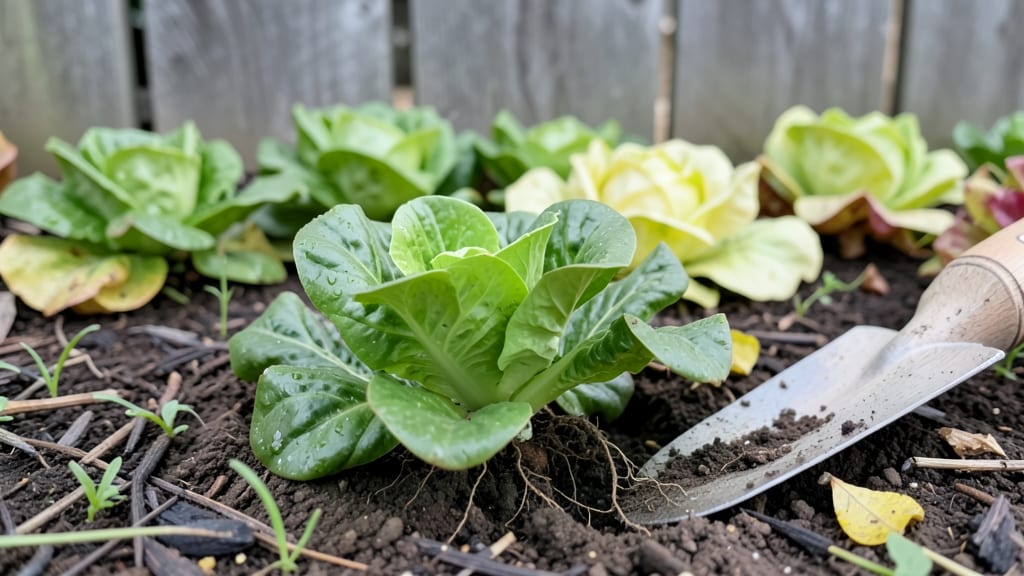
Growing a lettuce garden that delivers crisp leaves in just 30 days is easier than you think—we’ve done it in containers, raised beds, and even shady corners. The key? Cool weather, consistent moisture, and a few simple tricks to prevent bolting before you can harvest.
I still remember the first time we saw those first tender leaves poking through the soil after just a week, and it’s that same excitement we want you to feel.
You’ll need a spot with 4-6 hours of sunlight daily, a loose, well-draining soil mix (add compost if your soil is heavy), and a shallow container or garden bed. Lettuce thrives in cool weather, so aim to plant in early spring or late summer for fall harvests.
The spacing is simple: sow seeds ½ inch deep, 1 inch apart, and thin seedlings to 6-8 inches once they’re 2 inches tall. Water gently to avoid disturbing the seeds.
By day 21, you’ll be harvesting baby leaves, and full heads will be ready in 30-45 days. The secret to keeping them crisp? Water deeply once a week (more in hot weather) and harvest outer leaves first to encourage continuous growth.
We’ve learned the hard way that overwatering leads to slimy leaves, so always check soil moisture with a finger before watering.
This method works for any variety—romaine, butterhead, or loose-leaf—whether you’re growing in a backyard plot, raised bed, or even a sunny windowsill. The same principles apply, so you can scale up or down based on your space.
Let’s get those seeds in the ground and enjoy fresh salads all season long.
📚 In This Guide
- What you need
- Instructions
- Tips and common mistakes
- Wrapping up and next steps
What you need
- ● Lettuce seeds (choose varieties like Buttercrunch, Romaine, or Leaf Lettuce—pick 2-3 types for diversity!)
- ● Seed-starting mix or potting soil (1-2 bags, sterile and well-draining)
- ● Garden soil or compost (enrich with aged compost or worm castings for nutrients)
- ● Containers, raised beds, or garden plot (minimum 6-inch depth for roots; containers need drainage holes)
- ● Watering can or hose with a gentle spray nozzle (lettuce hates soggy roots!)
- ● Garden gloves (to keep hands clean and protect from thorns or soil)
- ○ Row covers or shade cloth (optional but helpful for pest protection or heat-sensitive varieties)
- ● Organic mulch (straw or shredded leaves to retain moisture and suppress weeds)
- ● Seedling trays (if starting indoors 4-6 weeks before last frost)
- ● Fertilizer (balanced 10-10-10 or fish emulsion for a mid-season boost)
- ● Plant markers (to label varieties and track growth)
- ● Pruners or scissors (for harvesting outer leaves without damaging the plant)
- ● Pest control (neem oil or diatomaceous earth for aphids or slug bait)
Step-by-Step instructions for growing a lettuce garden
Here's how to grow crisp, ready-to-harvest lettuce in just a few weeks.
Prepare the Planting Area
Choose a location with partial shade if your climate is hot, or full sun for cooler regions. Lettuce thrives in well-draining soil with a pH between 6.0 and 7.0. If you're planting in containers, use a 10-inch-deep pot for each plant or a 12-inch-wide container for multiple seedlings spaced 6 inches apart. Avoid fresh manure—it can cause bitter leaves.
Loosen the soil to a depth of 6 inches to encourage root growth. Mix in 1 cup of compost per 4 square feet to provide nutrients without overwhelming the plants. If your soil is heavy clay, blend in 1 part sand to improve drainage. The goal is loose, airy soil that holds moisture without becoming waterlogged.
Sow Seeds at the Right Depth and Spacing
Plant lettuce seeds ¼ inch deep in rows spaced 12 inches apart. I like to use a seed tape or plant seeds 1 inch apart in rows to avoid overcrowding. If you're sowing directly, scatter seeds thinly—lettuce germinates quickly, and thick seedlings compete for light, leading to weak, bitter growth.
Keep the soil consistently moist until germination, which typically occurs in 5 to 10 days depending on temperature. Use a fine mist spray to avoid dislodging seeds. Once seedlings reach 2 inches tall, thin them to 6 inches apart in rows. This step is crucial—overcrowded lettuce bolts prematurely and tastes harsh.
Maintain Moisture and Protect from Heat
Lettuce needs 1 to 1½ inches of water per week, delivered evenly. Water deeply 2 to 3 times per week, focusing on the base of the plants to prevent fungal diseases. Avoid overhead watering, especially in the evening, as damp leaves invite slugs and mildew. A drip irrigation system works best for consistent moisture.
Watch for signs of stress: yellowing leaves signal overwatering, while crispy edges mean the soil is too dry. Mulch with 2 inches of straw or shredded leaves to retain moisture and keep roots cool. If temperatures rise above 80°F, provide afternoon shade with a lightweight row cover or shade cloth to prevent bolting.
Harvest for Peak Freshness
Harvest leaf lettuce when leaves reach 4 to 6 inches tall by cutting outer leaves at the base with clean scissors. This method encourages continuous growth. For head lettuce, harvest when the head feels firm and reaches 3 to 4 inches in diameter. Cut the entire head just above the soil line for a clean harvest.
For the fastest harvest, succession plant every 2 weeks after the initial sowing. This ensures a steady supply of fresh lettuce throughout the growing season. Store harvested leaves in a plastic bag with a paper towel in the refrigerator for up to 7 days to maintain crispness.
Tips & tricks for perfect lettuce growth
Fast-growing lettuce doesn't have to be a gamble—these proven techniques will help you skip the common pitfalls and harvest crisp leaves in record time.
Soil Preparation Secret: The key to fast germination lies in soil temperature and texture. Before planting, warm your soil to at least 50°F by placing black plastic mulch over garden beds for a few days if your climate is cool. This jumpstarts root development, allowing you to see those first true leaves in just 5 days instead of 10. For containers, fill them with a mix of 60% potting soil and 40% perlite to improve drainage and prevent soggy roots that slow growth.
Seed Spacing Strategy: When planting seeds ¼ inch deep in Step 2, resist the urge to squeeze them closer together. Lettuce seedlings grow surprisingly fast, and crowded plants will compete for light, leading to leggy, bitter leaves. Use your finger to create small holes exactly 1 inch apart—this spacing gives you room to thin later without losing plants. Pro tip: If you're using seed tape, place it on top of the soil rather than pressing it down, which can bury seeds too deeply and delay germination.
Heat Management: The 80°F threshold mentioned in Step 3 isn't just a warning—it's your action point. When temperatures climb above this mark, lettuce shifts from growing leaves to producing flowers (bolting) in as little as 3 days. To buy yourself time, install shade cloth that blocks 30-50% of sunlight during peak afternoon heat. This simple step can extend your harvest window by 2-3 weeks, especially in hot summer months. For containers, move them to a shaded patio or under a tree during the hottest part of the day.
Succession Planting Hack: Those 2-week intervals for succession planting in Step 4 are your secret weapon for continuous harvests. Instead of planting all your seeds at once, stagger them every 14 days starting from your first planting date. This ensures you always have young, tender lettuce coming in while older plants mature. For maximum efficiency, plant fast varieties like 'Black Seeded Simpson' first (ready in 30 days), followed by slower varieties like 'Romaine' (ready in 50 days) to extend your harvest season.
Pro Tips for Grow A Lettuce Garden
- Fast-growing lettuce doesn't have to be a gamble—these proven techniques will help you skip the common pitfalls and harvest crisp leaves in record time.
- Soil Preparation Secret: The key to fast germination lies in soil temperature and texture.
- Seed Spacing Strategy: When planting seeds ¼ inch deep in Step 2, resist the urge to squeeze them closer together.
Frequently asked questions
Got questions about growing your own crisp, homegrown lettuce? You’re not alone! Here are some of the most common queries—and easy answers—to help your garden thrive.
How long does it take to grow lettuce from seed?
Most leafy lettuce varieties (like romaine or butterhead) are ready in 30–50 days from seed! For faster results, try fast-maturing types like Salad Bowl (28 days) or Black Seeded Simpson (30 days). If you’re short on time, consider cut-and-come-again varieties—they regrow after harvesting, giving you a continuous supply!
How often should I water my lettuce plants?
Lettuce loves consistent moisture—aim for 1–1.5 inches of water per week, either from rain or manual watering. Water deeply in the morning to prevent fungal diseases, and avoid wetting the leaves (which can cause rot). Pro tip: Use mulch to retain soil moisture and reduce evaporation!
Can I grow lettuce indoors or in containers?
Lettuce thrives in containers as small as 6–12 inches wide (just ensure good drainage). For indoor growing, place pots near a sunny window or under grow lights (12–14 hours/day). Choose compact varieties like Oakleaf or Red Sails, and harvest outer leaves first to extend the harvest.
Why is my lettuce getting bitter or bolting?
Bitter lettuce often means it’s stressed by heat—try shading plants with row covers or planting in partial shade. Bolting (shooting up flower stalks) happens when lettuce senses long days or extreme heat. To fix this:
- Harvest promptly when leaves reach desired size.
- Plant heat-tolerant varieties like Romaine or Jericho.
- Use shade cloth (30–50% coverage) in summer.
What’s the best way to harvest lettuce without killing the plant?
For a continuous harvest, use the cut-and-come-again method:
- Snip outer leaves at soil level with clean scissors.
- Leave the inner leaves to regrow—you’ll get 2–3 harvests per plant!
- Avoid cutting more than ⅓ of the plant at once.
Wrapping up and next steps
Growing your own lettuce garden is a rewarding journey that brings fresh, crisp leaves straight to your plate in just a few weeks! With the right location, soil, and care, you’ll enjoy a continuous harvest of vibrant greens—whether you’re a beginner or a seasoned gardener.
Start small, stay consistent, and soon you’ll be savoring homegrown salads with pride.
Ready to take the next step? Try planting a few more varieties—like arugula or spinach—to expand your garden’s flavor and nutrition. Happy growing! 🌱