How To
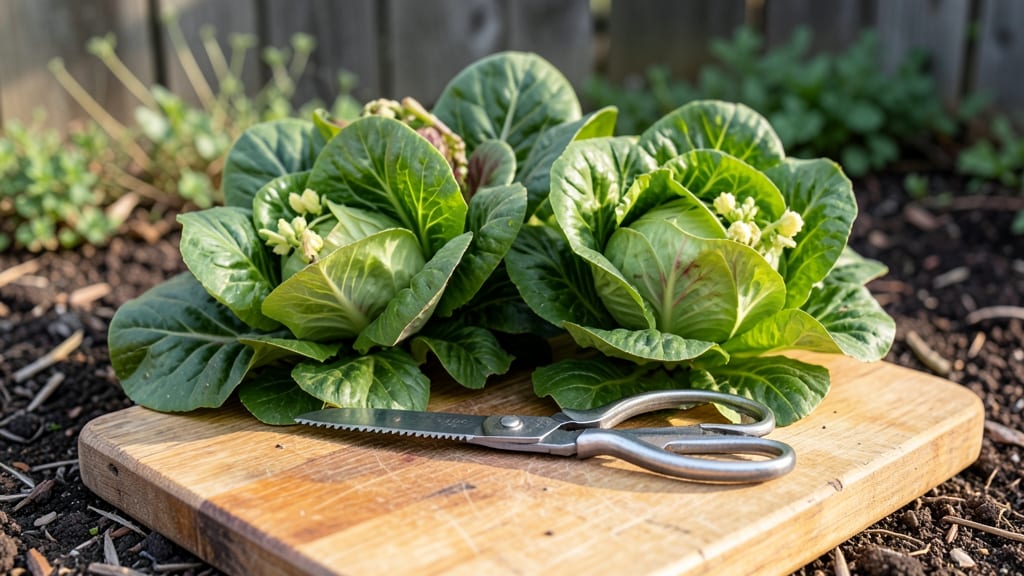
Harvesting romaine lettuce from your garden at the right time keeps those crisp stems fresh and flavorful 🥬—and one wrong cut can turn your salad greens into sad, bitter scraps.
Romaine thrives when you snip it just right: too early, and you’re left with sparse regrowth; too late, and the heat sends it bolting. I’ve made both mistakes, and the difference between a bountiful harvest and a wilted disappointment comes down to timing and technique.
You’ll learn how to spot the perfect moment to cut—when leaves hit 6-12 inches and heads firm up—plus the exact tools and methods to keep your plants producing for weeks. No more guessing whether your romaine is ready or how to store it without wilting.
From the first crisp snip to storing your harvest, this guide turns your garden into a never-ending salad bowl. Let’s get started.


When to harvest romaine lettuce for maximum crispness and flavor
Timing your romaine lettuce harvest is everything—cut too early, and you’ll sacrifice flavor; wait too long, and the leaves turn bitter or bolt. The ideal window is when leaves reach 6-12 inches long, forming a tight, firm rosette.
This stage ensures maximum crispness and sweetness, with a thick, sturdy stem base that supports the plant’s structure. For year-round growers, seasonal adjustments are key to avoiding these common pitfalls.
Romaine lettuce typically matures in 50-70 days from seed, but environmental factors like temperature and daylight hours can shift this timeline. In spring and fall, cooler weather slows growth, extending the harvest window by up to 10 days.
Conversely, summer heat accelerates maturity, so monitor your plants closely to avoid bolting—a process where the plant sends up a flower stalk, rendering leaves tough and bitter.
Look for these visual maturity cues to determine harvest readiness: leaves should be deep green and tightly packed, with a firm texture when gently squeezed. Avoid harvesting if leaves appear loose or wilted, as this signals stress or overmaturity.
The outer leaves are the first to reach harvestable size, making them the perfect starting point for a cut-and-come-again approach.
Weather plays a critical role in harvest timing. After a light frost, romaine lettuce can develop a slightly sweeter flavor, but avoid harvesting if temperatures drop below 25°F, as cold damage ruins crispness.
In hot climates, harvest in the early morning when temperatures are cooler to preserve texture. Shade cloth can also extend the harvest season by 2-3 weeks in late summer or early fall.
For year-round harvests, stagger plantings every 2-3 weeks to ensure a continuous supply. In USDA Zone 6a, aim for spring plantings in March-April and fall plantings in August-September to align with ideal harvest windows.
Use a harvest calendar to track maturity dates, adjusting for local climate variations. For example, coastal regions may experience cooler summers, allowing for extended harvests.
One of the biggest mistakes gardeners make is harvesting romaine lettuce by leaf size alone. While 6-12 inches is the ideal length, prioritize the plant’s overall health. If the center rosette remains small or the leaves feel rubbery, delay harvesting.
This approach ensures you get the crispest, most flavorful stems while allowing the plant to regrow for future harvests.
Seasonal adjustments are essential for avoiding bitterness or bolting. In spring, focus on harvesting outer leaves to encourage regrowth, while in fall, you can harvest the entire head if the plant is mature.
During summer heatwaves, provide afternoon shade and increase watering frequency to prevent stress. These adjustments help maintain optimal flavor and texture throughout the growing season.
To maximize yield, practice the cut-and-come-again method. Snip the outer leaves first, leaving the inner leaves intact to continue growing. This technique extends the harvest season by 3-4 weeks and reduces waste.
For a full harvest, cut the entire head 1 inch above the base when the plant is mature, but only do this once per season to avoid stunting regrowth.
If your romaine lettuce starts to bolt, act quickly. Bolted plants develop a tall, flower stalk with bitter leaves. To salvage the harvest, cut the lower leaves before they become too tough.
Prevent bolting by keeping soil consistently moist, providing partial shade during heatwaves, and avoiding over-fertilization with high-nitrogen feeds. These steps help maintain crisp, flavorful lettuce for longer.
For gardeners in container gardens, harvest timing is even more critical due to limited space. Romaine lettuce in pots matures slightly faster, so monitor growth closely. Use smaller varieties like 'Little Gem' for easier management, and harvest outer leaves as soon as they reach 4-6 inches.
This approach ensures you get multiple harvests from a single plant without overcrowding.
Finally, store freshly harvested romaine lettuce properly to preserve its crispness and flavor. Wrap the heads loosely in a damp paper towel and store them in the crispest drawer of your refrigerator.
For cut leaves, rinse gently, dry thoroughly, and store in an airtight container with a damp cloth to maintain moisture. These steps ensure your harvest stays fresh for up to 10-14 days.
🌱