
Pests
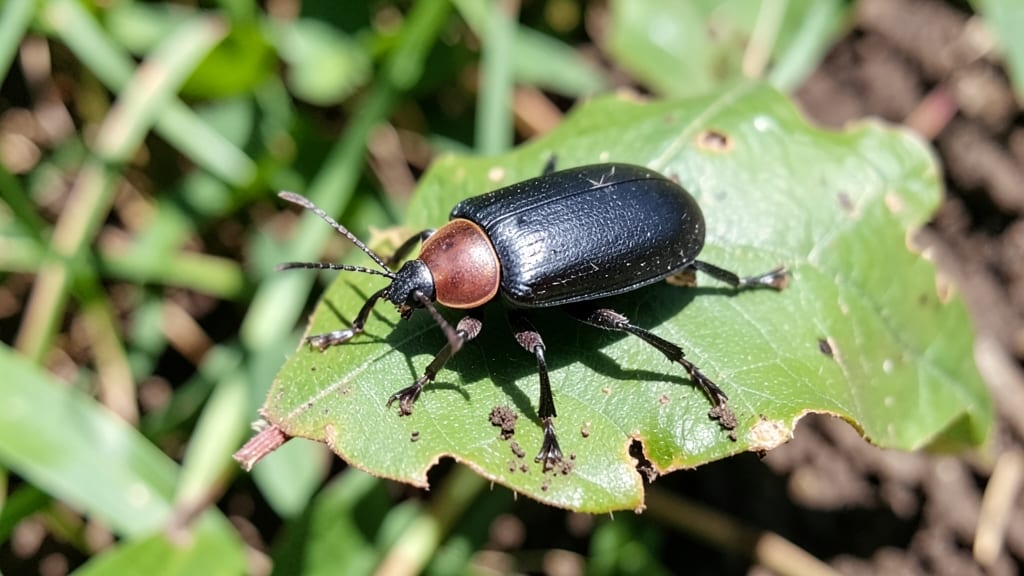
Removing grubs from your garden starts with a simple, foolproof drench that kills larvae without harming your plants or the soil. 🌱 I’ve spent years battling these C-shaped white worms—until I discovered this one trick that works in just 24 hours.
The key is timing: grubs are most vulnerable when they’re near the surface, and this method exploits that weakness without chemicals.
Grubs are the sneaky culprits behind yellowing lawns and wilting garden plants, feasting on roots while leaving no trace until it’s too late. My first sign was my tomato plants toppling over like drunkards, their roots chewed clean.
The damage isn’t just cosmetic—it weakens plants so badly they can’t recover, even with water or fertilizer. That’s why acting fast matters.
This natural drench uses ingredients you likely already have: hot water, dish soap, and a little horticultural oil to smother grubs on contact. Within hours, you’ll see fewer larvae crawling through the soil, and your plants will start regaining their strength.
The best part? It’s safe for kids, pets, and the beneficial insects that keep your garden thriving.
Once you’ve eliminated the current infestation, we’ll cover preventive measures like encouraging ground beetles (their natural predators) and adjusting watering habits to make your soil less inviting. No more guessing—just a clear, step-by-step plan to keep grubs out for good.
The Hidden Triggers Behind Grubs
Grubs—those squirming, C-shaped larvae of beetles—don’t just appear out of nowhere in your garden. They’re the result of a well-orchestrated (and often unwanted) biological process. Understanding why they thrive in your soil is the first step to stopping them.
Here’s a breakdown of the key factors that turn your garden into a grub buffet.
###
🌱 Overwatered or Compacted Soil
Grubs love moist, soft soil—it’s like a five-star hotel for them. When your garden gets excessive watering (especially in lawns or heavily irrigated beds), the soil stays damp longer than ideal.
This creates the perfect breeding ground for beetles like Japanese beetles or June bugs, whose eggs hatch into grubs in these conditions.
Additionally, compacted soil (from foot traffic, heavy machinery, or clay-heavy compositions) prevents proper drainage. Poor drainage keeps the soil soggy, which grubs adore. Without air pockets, beneficial microbes struggle, and grubs thrive unchecked.
Actionable insight: Test your soil’s moisture by squeezing a handful—if it stays clumped, it’s too wet. Aim for soil that crumbles slightly when dry but holds moisture without being soggy.
###
🐞 Adult Beetle Infestations
Grubs are the larval stage of beetles, and their parents—adult beetles—are the real troublemakers. Species like the Japanese beetle and European chafer lay eggs in late spring to early summer, timing it perfectly with warm soil temperatures (around 70–80°F).
These beetles are attracted to:
- Healthy, lush lawns (grubs need nutrients to grow).
- Garden beds with decaying organic matter (like compost or mulch piles).
- Weak or stressed plants (they mistake them for easy prey).
Once eggs hatch (in about 2–4 weeks), the grubs burrow into the soil, feeding on roots for 10–12 months before pupating into adult beetles. If you’ve seen chewed leaves or wilting plants in summer, adult beetles were likely the culprits—and their offspring are already underground.
Pro tip: Set up beetle traps in early summer to monitor adult activity. If you spot them, act fast—eggs will follow.
###
🍂 Organic Debris and Mulch Piles
Grubs aren’t picky eaters—they’ll munch on roots, grass, and even decomposing plant material. If your garden has:
- Thick layers of mulch (especially wood chips or straw).
- Leaf litter or compost piles left near plant roots.
- Weeds with shallow root systems (grubs prefer easy meals).
You’re essentially inviting them to a feast. The organic matter provides both food and shelter, making it harder for natural predators (like birds or beneficial nematodes) to find and eat the grubs.
Key fact: Grubs can survive in soil with as little as 1–2% organic matter, but they explode in populations when organic content exceeds 5–10%.
Solution: Keep mulch thin (1–2 inches) and aerate garden beds annually to reduce hiding spots.
###
🌡️ Warm, Stable Soil Temperatures
Grubs are cold-sensitive. They thrive in soil temperatures between 60–85°F, which is why they’re most active in:
- Southern U.S. gardens (year-round risk).
- Northern lawns in summer (when soil heats up).
- Greenhouses or raised beds (where heat is trapped).
If your garden stays consistently warm (thanks to black plastic mulch, dark soil, or poor ventilation), grubs will linger longer, feeding aggressively. Cold snaps can kill them, but in mild winters, they simply go dormant and re-emerge when temperatures rise.
Test your soil: Use a soil thermometer at a 4-inch depth. If it’s above 75°F for weeks, grubs are likely feasting.
###
🛡️ Lack of Natural Predators
In a balanced ecosystem, grubs are kept in check by:
- Birds (robins, starlings, and grouse love them).
- Beneficial nematodes (Steinernema carpocapsae seek them out).
- Ground beetles and toads (they hunt grubs actively).
- Fungi (like Beauveria bassiana, which infects larvae).
But when you use broad-spectrum pesticides, over-till the soil, or remove leaf litter, you’re wiping out these predators faster than grubs can be eaten. Without checks and balances, grub populations skyrocket.
How to help predators:
- Leave some leaf litter in garden edges.
- Avoid synthetic pesticides—opt for neem oil or diatomaceous earth instead.
- Install a birdhouse near your garden to attract grub-hunting birds.
How to solve it
Grubs wreaking havoc in your garden? Don’t panic—there are effective, natural ways to tackle these pests and restore your plants to health. The key is identifying the root cause (literally!) and applying the right solution.
Below, we break down the most common scenarios and the best fixes to remove grubs without harsh chemicals.
🔥 Overwatered Soil or Poor Drainage → Drain & Aerate
If your lawn or garden soil stays soggy, grubs thrive in the damp, oxygen-poor environment. Fix it fast with these steps:
- 👨🍳 Improve drainage: Test your soil’s drainage by digging a 6-inch hole and filling it with water. If it doesn’t drain within 6 hours, amend the soil with compost, sand, or perlite to loosen it up.
- 🌱 Aerate the lawn: Rent a core aerator or use a manual aerator to create holes in compacted soil. This lets oxygen reach the roots and disrupts grub habitats.
- ⏰ Time it right: Aerate in early fall or spring when grubs are near the surface but before they burrow deep.
💡 Pro Tip: After aerating, top-dress with compost or a thin layer of sand to encourage deeper root growth and deter future grub infestations.
🍳 Lawn or Garden Damage → Targeted Grub Removal
Seeing brown patches, wilting plants, or animals digging up your yard? Grubs are likely the culprits. Here’s how to physically remove them:
- 🔪 Dig them out: Use a trowel or garden fork to gently lift sod or mulch and handpick grubs (they look like tiny, pale, C-shaped larvae). Drop them in soapy water to kill them.
- 🐛 Check for hotspots: Focus on areas where grass pulls up easily or where you’ve seen mole activity. Grubs cluster in these zones.
- 🌡️ Act fast: Remove grubs in the late afternoon when they’re near the surface. Early morning dew can make them slippery!
✨ Prevention Hack: After removal, sprinkle diatomaceous earth (food-grade) or coarse sand over the area to create a barrier grubs won’t cross.
👨🍳 Chemical Alternatives → Natural Drenches & Traps
Want to skip the pesticides but still eliminate grubs? These non-toxic methods work wonders:
| Method | How to Use | Best For |
|---|---|---|
| Neem Oil Drench | Mix 1 tbsp neem oil + 1 tsp mild soap per gallon of water. Spray directly on soil (avoid plants on sunny days). Reapply every 7–10 days. | Young grubs, prevention |
| Milky Spore Treatment | Apply milky spore powder to soil in early fall or spring. It colonizes the soil and kills grubs for years. | Long-term grub control |
| Beneficial Nematodes | Water soil thoroughly, then apply nematodes (like Heterorhabditis bacteriophora) in the evening. They seek out and kill grubs within 48 hours. | Severe infestations, organic gardens |
| Beer Traps | Dig small holes (2–3 inches deep), fill with beer, and cover with a board. Grubs are attracted to the yeast and drown. Check daily and dispose of them. | Quick, temporary relief |
🎯 Expert Tip: For best results, combine methods. For example, aerate the soil, apply milky spore, and follow up with neem oil for a three-pronged attack.
🌱 Plant Health Decline → Strengthen Defenses
Grubs love stressed plants. Boost your garden’s resilience with these preventive measures:
- 💪 Improve soil health: Add compost or worm castings to enrich soil and encourage strong root systems that grubs avoid.
- 🌿 Choose grub-resistant plants: Opt for clover, fescue grass, or deep-rooted perennials (grubs dislike their fibrous roots). Avoid shallow-rooted annuals like lawn grasses.
- 🌡️ Water wisely: Overwatering invites grubs. Water deeply but infrequently (1–1.5 inches per week) to encourage deep roots and dry out topsoil slightly.
- 🐝 Encourage predators: Attract birds (like robins or skunks), toads, or ground beetles by leaving leaf litter or installing a small water feature.
🔥 Bonus: Plant garlic, chives, or marigolds around your garden—their strong scents repel grubs naturally.
Frequently asked questions
How can I tell if my garden has grubs?
Check for C-shaped white larvae about 1/4-inch long in damp soil, especially after watering. Look for wilting plants, brown patches in lawns, or animals digging up grass—these are classic signs grubs are feasting on roots. Dig up a small section of sod or soil around affected areas to spot them.
Why do grubs love my garden more than others?
Grubs thrive in moist, loose soil with organic matter—common in overwatered or mulched gardens. They’re also drawn to stressed plants or areas with adult beetles laying eggs. Test your soil’s moisture and drainage to spot the problem areas.
Are beer traps effective for removing grubs?
Yes! Beer traps work by luring grubs with yeast, then drowning them. Dig shallow holes, fill with beer, and cover with a board. Check daily—grubs will crawl in and drown. This method is quick but temporary; combine it with long-term fixes like milky spore for best results.
Can I use neem oil to kill grubs?
Neem oil disrupts grub feeding and growth. Mix 1 tbsp neem oil + 1 tsp mild soap per gallon of water, then spray directly onto soil. Reapply every 7–10 days for prevention. Avoid spraying on plants in direct sunlight to prevent leaf burn.
How do I prevent grubs from returning next season?
Start by aerating compacted soil and improving drainage. Add compost to strengthen plant roots, and plant garlic or marigolds as natural repellents. Encourage predators like birds and toads by leaving leaf litter and avoiding synthetic pesticides.