
Pests and Diseases
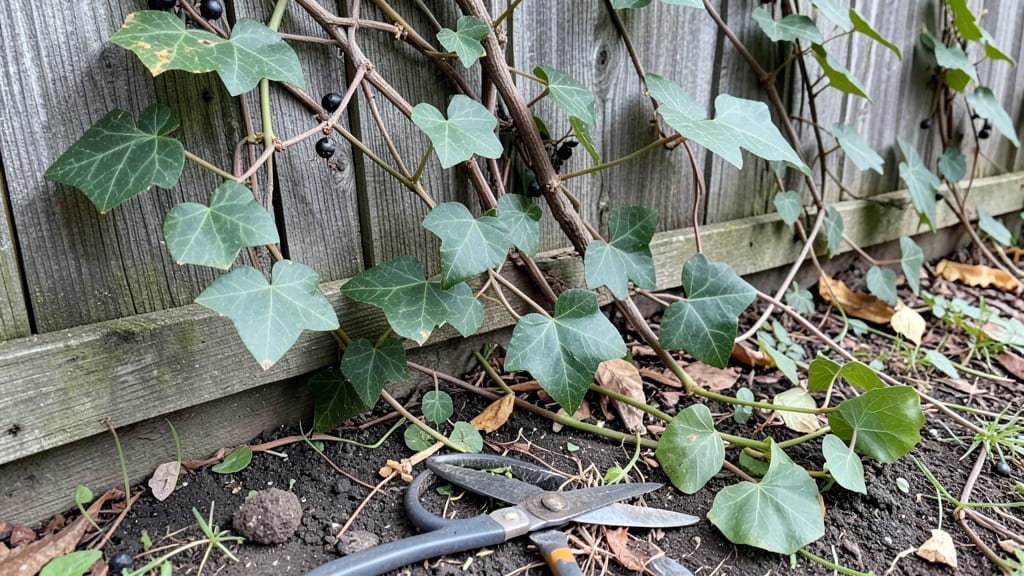
Learn how to remove ivy from your yard faster than it spreads—it’s possible with the right approach, and I’ve wrestled with this relentless climber. from bouncing back. Most people give up after one season, but with persistence, you can reclaim your yard in just a few weeks.
The fastest method combines hand-pulling (for smaller patches) with a vine ripper (for thick roots) and targeted herbicide for stubborn sections. You’ll need heavy-duty gloves, loppers, and a sharp shovel—no fancy tools, just the right technique.
The goal? Pull the roots out completely, so it doesn’t regrow from hidden shoots lurking in the soil.
By the end, your yard will feel lighter, your plants will breathe easier, and you’ll never see those tenacious vines again. The secret lies in working in dry weather, cutting roots at the base, and monitoring for new sprouts—because ivy’s comeback is its worst habit. Let’s tackle this head-on.
Works for fences, trees, and garden beds alike—just adjust the tools based on what you’re up against. No more losing ground to ivy; it’s time to take it back.
Why it happens
Ivy thrives in yards not by accident but by design—it’s a highly adaptive, fast-growing plant with survival strategies that make it a relentless nuisance. 🌿💪 If your yard is becoming a green jungle, the problem likely stems from one (or more) of these root causes.
Let’s break down why ivy takes over and how its biology works against you.
🌱 Natural Growth Habits: Ivy’s Built-In Advantage
Ivy (especially English ivy, Hedera helix) is a perennial climbing vine that doesn’t just spread—it conquers. Here’s how its biology fuels its dominance:
- Rapid root and stem growth: Ivy can grow up to 3 feet per year in ideal conditions. Its aerial roots (roots that grow from stems) latch onto surfaces like trees, fences, or brick walls, creating a self-supporting network that smothers other plants.
- Evergreen resilience: Unlike seasonal plants, ivy stays green year-round, photosynthesizing even in cold weather. This means it outcompetes weaker plants for sunlight, water, and nutrients.
- Seed dispersal by animals: Birds and mammals eat ivy berries and spread seeds via their droppings. A single berry can produce 4-5 seeds, and each seedling becomes a future invader.
Actionable insight: If you’ve seen ivy berries in your yard, assume new seedlings will sprout within 1-2 years. Proactive removal is key!
🌿 Ideal Growing Conditions: Your Yard’s Invitation
Ivy doesn’t just grow—it targets yards with the perfect conditions. Check if your property matches these common triggers:
| Factor | Why Ivy Loves It |
|---|---|
| Shady, moist soil | Ivy thrives in low-light areas where grass struggles. Its roots seek out dampness, often near downspouts, slopes, or poorly draining soil. |
| Lack of competition | If your yard has bare patches or weak ground cover, ivy fills the gap. It’s a pioneer species, meaning it colonizes disturbed or neglected areas first. |
| Organic debris buildup | Leaves, mulch, or wood chips create a microclimate that retains moisture and warmth—ideal for ivy roots. Even a thin layer can encourage growth. |
| Proximity to structures | Ivy uses buildings, trees, and fences as scaffolding. Its roots penetrate cracks in masonry, and its vines block gutters, leading to structural damage over time. |
Actionable insight: Conduct a "ivy audit" of your yard. Walk around and note shady spots, moisture traps, and surfaces ivy is climbing. These are your high-risk zones for regrowth.
🔄 Human Activity: How We Accidentally Help Ivy
Sometimes, ivy’s spread is amplified by common landscaping habits. Here’s how unintentional actions create ivy-friendly environments:
- Over-trimming trees without cleanup: Fallen branches or pruned limbs left on the ground create mulch-like layers that ivy roots exploit. Even small pieces can sprout new plants.
- Using ivy as "ground cover": Some homeowners plant ivy deliberately for its lush look—only to realize it’s impossible to eradicate once established. Its roots can extend up to 15 feet deep.
- Ignoring seed sources: If a neighbor’s yard has ivy, wind or animals can carry seeds hundreds of feet. A single seedling can become a colony in 3–5 years.
- Poor drainage solutions: French drains or swales filled with organic matter (like wood chips) can become ivy nurseries if not lined with landscape fabric.
Actionable insight: If you’ve ever transplanted ivy or shared cuttings (even as a "gift"), assume your yard is now a source for further spread. Break the cycle by removing all traces.
🐛 Soil and Ecosystem Imbalances
Ivy often wins because it exploits weaknesses in your yard’s ecosystem. Look for these red flags:
- Compacted or nutrient-poor soil: Ivy thrives where grass or flowers can’t take root. Its roots acidify soil, making it harder for other plants to grow.
- Lack of natural predators: While deer and rabbits may nibble on young ivy, they rarely eliminate it. In contrast, ivy has no natural enemies in most landscapes.
- Weak competitive plants: If your lawn has thin grass or bare soil, ivy fills the void. It’s a smother crop, blocking sunlight and choking out competitors.
Actionable insight: Test your soil’s pH and nutrient levels. Ivy prefers acidic soil (pH 5.0–7.0). If your yard is alkaline, amending the soil with sulfur or peat moss can make it less hospitable—but only after ivy is removed.
How to solve it
Kicking ivy out of your yard for good takes strategy—especially when the vines are thick, tangled, and determined. Below, we break down the best fixes based on the why ivy took over, plus simple steps to keep it from creeping back. Think of this as your ivy eradication game plan!
###
🌿 When Ivy Clings to Trees or Structures
If ivy has wrapped itself around trees, fences, or your home’s exterior, it’s not just an eyesore—it can strangle plants or damage surfaces over time. Here’s how to tackle it:
- 🔪 Cut it back first: Use pruning shears or a handsaw to trim the vines at the base (where they meet the tree or structure). Work in sections to avoid overwhelming yourself. Pro tip: Wear gloves—ivy sap can irritate skin!
- 🧼 Scrape or brush off: For smooth surfaces (like brick or siding), use a wire brush or plastic scraper to peel away the stems. Avoid metal tools on painted surfaces—they can scratch.
- 💥 Smother or seal: Once cut, apply a vine-killing herbicide (like glyphosate) directly to the stems or cover the area with black plastic sheeting for 4–6 weeks to block sunlight and kill the roots.
Prevention: Install metal or plastic barriers around trees or structures before ivy spreads. Regularly inspect and trim back any new growth in early spring.
###
🌱 When Ivy Takes Over the Ground
Ground ivy (or creeping Charlie) forms dense mats that choke out grass and flowers. The key? Starve it of sunlight and water.
- 🍳 Pull by hand (small patches): On sunny days, grab the ivy just below the soil line and wiggle it free. A weeding tool or dandelion digger works great for stubborn roots.
- 🔥 Solarize the soil: For large areas, water the ground thoroughly, then cover it with clear plastic sheeting for 4–8 weeks. The sun will cook the roots (works best in hot, dry climates).
- 🌡️ Apply corn gluten meal: This organic pre-emergent blocks ivy seeds from sprouting. Spread 20 lbs per 1,000 sq ft in early spring or fall.
Prevention: Overseed bare spots with dense ground cover (like clover or creeping thyme) to outcompete ivy. Mow high (3–4 inches) to weaken ivy growth.
###
🔥 When Ivy Won’t Quit: Chemical Solutions
For persistent ivy (especially English ivy), herbicides are your last resort—but they work. Here’s how to use them safely:
| Herbicide Type | How to Apply | Safety Tips |
|---|---|---|
| Glyphosate (e.g., Roundup) | Spray directly on cut stems or foliage on a wind-free day. Reapply after 7–10 days if regrowth appears. | Wear gloves, goggles, and long sleeves. Avoid spraying near edible plants or water sources. |
| Triclopyr (e.g., Ortho Brush Killer) | Best for woody ivy—mix with water and spray on leaves and stems. Repeat in 2 weeks. | Keep pets and kids away until dry. Test a small area first to avoid damage to nearby plants. |
| Vinegar + Salt (DIY) | Mix 1 gallon vinegar + 1 cup salt + 1 tbsp dish soap. Spray on ivy on a sunny day. Note: This kills only what it touches—best for small patches. | Can harm nearby plants. Avoid using near desirable vegetation. |
Prevention: After treatment, mulch bare soil with wood chips or gravel to block light and prevent regrowth. Monitor the area for 1–2 years—ivy roots can lurk!
###
✨ Bonus: Long-Term Ivy-Proofing
Once you’ve banished ivy, keep it from staging a comeback with these low-maintenance strategies:
- 🌿 Plant ivy’s natural enemies: Ground covers like ajuga, pachysandra, or hostas shade out ivy seeds.
- 🪓 Install edging: Bury landscape fabric or metal edging 6–12 inches deep around garden beds to block ivy’s spread.
- 🌞 Improve sunlight: Ivy thrives in shade. Prune overgrown trees or shrubs to let more light reach the yard.
- 🕵️♂️ Stay vigilant: Check for new ivy sprouts in spring and fall—remove them immediately before they root.
With the right approach, your yard can go from ivy jungle to pristine paradise in a matter of weeks. Just remember: persistence pays off!
Frequently asked questions
How do I safely remove ivy from around my trees without harming them?
Start by cutting the vines at the base with pruning shears, being careful not to damage the tree bark. Once cut, apply a targeted herbicide like glyphosate directly to the ivy stems—avoid spraying the tree. For a chemical-free option, wrap the cut stems in black plastic sheeting for 4–6 weeks to smother the roots. Always wear gloves to protect your hands from irritating ivy sap.
Can I use vinegar to kill ivy, and if so, what’s the best way?
A homemade vinegar solution can work for small patches! Mix 1 gallon of white vinegar, 1 cup salt, and 1 tablespoon dish soap, then spray it directly on the ivy leaves and stems on a sunny day. Repeat every 7–10 days until the ivy dies. Just note: this method only kills what it touches, so it’s best for minor infestations.
Why does ivy keep coming back after I remove it?
Ivy regrows because its roots can extend up to 15 feet deep and spread through seeds or hidden shoots. To prevent regrowth, pull or dig out the roots completely, then smother the area with black plastic sheeting for 4–8 weeks to block sunlight. For long-term protection, plant dense ground covers like clover or creeping thyme to outcompete any new ivy sprouts.
Is it safe to use herbicides near my garden or lawn?
Herbicides like glyphosate or triclopyr can harm desirable plants if not used carefully. Always apply them directly to ivy on a wind-free day and avoid spraying near grass, flowers, or edible plants. Test a small, hidden area first, and wear protective gloves, goggles, and long sleeves. For a safer alternative, try manual removal or solarization with plastic sheeting.
How can I stop ivy from spreading to other parts of my yard?
Install barriers like landscape fabric or metal edging buried 6–12 inches deep around garden beds to block ivy’s spread. Prune overgrown trees to increase sunlight, which weakens ivy’s growth. Regularly inspect your yard in spring and fall and remove any new sprouts immediately before they take root.