
Tools
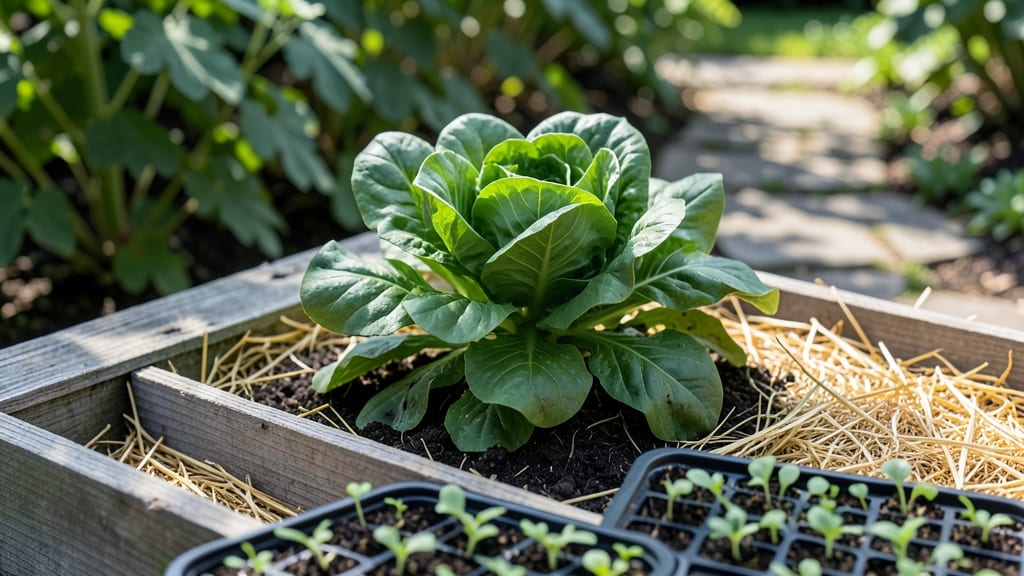
A hot bed garden isn’t just another raised bed—it’s a privacy powerhouse that grows vines so fast you’ll forget they’re even plants. I built mine last spring, and by summer, it was already blocking the neighbor’s view with thick, leafy walls.
The key? A simple layering trick that speeds up growth while keeping maintenance low.
Unlike traditional raised beds, hot beds rely on compost and manure layers buried beneath the soil to generate heat naturally. This jumpstarts vine growth like nothing else, giving you a lush screen in weeks instead of months.
Think morning glory, clematis, or even fast-growing shrubs like arborvitae—all thriving where regular beds would struggle.
You’ll end up with a living privacy fence that’s fragrant, wildlife-friendly, and free from the hassle of plastic or wood panels. Plus, the soil stays rich for years, so your vines keep growing stronger with each season.
The best part? It works in small spaces, along fences, or even as a trellis backdrop for flowers.
Traditional raised beds focus on vegetables; hot beds are all about speed and density. If you’ve ever wanted a green wall but thought it was too complicated, this method proves you can have it—fast, organic, and without the upkeep. Ready to turn that bare spot into a year-round hideaway?
📚 In This Guide
- What you need
- Instructions
- Tips and common mistakes
- Wrapping up and next steps
What you need
- ● Vine Plants: Fast-growing varieties like Morning Glory, Clematis, Honeysuckle, or Wisteria (choose 3–5 types for diversity). Pro tip: 🌱 Buy 3–5 plants per 10 feet of trellis for dense coverage.
- ○ Trellis or Arbor: Sturdy metal, wood, or PVC lattice (8–10 ft tall, 10–12 ft wide). Optional: Add climbing hooks or netting for extra support.
- ● Soil Amendments: Compost (2–3 cubic feet per plant)
- ● Slow-release fertilizer (10-10-10 or organic options like bone meal)
- ● Mulch (wood chips or straw, 2–3 inches thick)
- ○ Irrigation: Drip system or soaker hose (10–15 ft length) + timer (optional but highly recommended for consistency).
- ● Pruning Tools: Bypass pruners (for clean cuts)
- ● Loppers (for thicker vines)
- ● Hand saw (for stubborn branches)
- ● Support Stakes: 1–2 ft wooden or bamboo stakes (for young plants).
- ● Garden Gloves & Knee Pads: Protect your hands and joints during planting!
- ● Plant ties or soft twine (to guide vines early on).
- ● Soil tester kit (to check pH and nutrient levels).
- ● Shade cloth (for young plants in hot climates).
- ● Decorative lights or solar-powered stakes (for ambiance!).
Step-by-Step instructions for building a hot bed garden
Here’s how to create a warm, productive planting bed that grows vines quickly for year-round privacy.
Choose and Prepare the Garden Site
Select a level, sunny spot with at least 6 hours of direct sunlight daily. Avoid low-lying areas where cold air settles. Clear all weeds and debris, then mark the bed’s dimensions—typically 4 feet wide by 8 feet long for easy maintenance. I like to outline the space with landscape fabric to suppress weeds before building up the bed.
Dig out the top 6 inches of soil and set it aside. This removes competing roots and allows you to rebuild the bed with nutrient-rich layers. If your soil is heavy clay, mix in 2 inches of coarse sand to improve drainage. The goal is loose, well-draining soil that warms quickly in the sun.
Layer the Hot Bed for Heat Retention
Start with a 4-inch base layer of carbon-rich material—this could be fallen leaves, straw, or even cardboard. Press it down lightly to create a stable foundation. Next, add a 6-inch layer of nitrogen-rich materials like grass clippings, coffee grounds, or fresh manure. This layer will decompose and generate heat, keeping roots warm even in cold months.
Top with 4 inches of finished compost to provide nutrients for your vines. Moisten everything lightly with water—just enough to dampen the layers without making them soggy. Cover the entire bed with 2 inches of mulch, like straw or wood chips, to insulate the soil and retain moisture. This setup mimics a natural compost pile’s warmth while giving plants direct access to nutrients.
Plant Fast-Growing Vines for Privacy
Choose vines that thrive in warm soil and grow quickly, such as morning glories, clematis, or climbing roses. Plant them 12-18 inches apart along the edges of the bed, spacing them according to their mature width. Dig holes just deep enough to cover the root ball, then place each vine gently into the soil, firming it around the base.
Water deeply right after planting to settle the soil and encourage root contact with the warm layers below. Mulch again with 1 inch of straw to protect young plants and keep weeds at bay. Avoid overwatering—this bed is designed to retain heat, so let the soil dry slightly between waterings. You’ll see new growth within 2-3 weeks, signaling the heat is working.
Maintain Heat and Encourage Rapid Growth
Check the bed’s temperature with a soil thermometer—ideal range is 65-75°F for most vines. If it drops below 55°F, add a 1-inch layer of straw or leaves to insulate further. Water in the early morning to minimize evaporation, and fertilize lightly every 4-6 weeks with compost tea or a balanced organic fertilizer to fuel fast growth.
Train vines along trellises or fences as they grow, pruning leggy stems to encourage bushier, denser foliage. Watch for pests like aphids or spider mites—hot beds can attract them due to the warm, moist environment. If you spot trouble, spray with neem oil or introduce beneficial insects like ladybugs to keep populations in check. With proper care, your privacy screen will thicken within 8-12 weeks.
Tips & tricks for building a hot bed garden
Creating a hot bed garden that delivers fast, dense growth takes a few key strategies—here’s what I’ve learned to make it work perfectly every time.
Layering for Maximum Heat: The secret to maintaining that ideal 65-75°F temperature lies in the layering. For the 6-inch nitrogen-rich layer, I recommend using a mix of fresh manure and grass clippings—this combo generates more consistent heat than either material alone. Press each layer firmly as you go to eliminate air pockets that could cool the bed. In Step 2, don’t skip the carbon-rich base layer; it’s what creates the perfect environment for microbial activity that produces heat.
Soil Temperature is Everything: That 55°F threshold isn’t just a number—it’s the point where vine growth really stalls. I keep a soil thermometer handy and check temperatures first thing in the morning. If you notice new growth slowing after 2-3 weeks, it’s usually because the bed cooled overnight. Adding that extra 1-inch layer of straw in Step 4 makes all the difference when temperatures dip.
Plant Selection Matters More Than You Think: Not all fast-growing vines perform equally in hot beds. Morning glories are my top recommendation because they tolerate the heat and spread quickly, but clematis actually thrives better in the warm soil and produces more robust growth. If you’re planting in cooler climates, start with morning glories—they’ll give you that initial privacy screen while the bed warms up.
Timing Your Watering for Speed: The 6 hours of sunlight daily requirement isn’t just about warmth—it’s about evaporation. Water deeply in the morning to give roots time to absorb moisture before the heat of the day. I’ve found that letting the soil dry slightly between waterings actually helps maintain that warm temperature faster, as the bed’s natural insulation works better when it’s not constantly wet.
Pro Tips for Hot Bed Garden
- Creating a hot bed garden that delivers fast, dense growth takes a few key strategies—here’s what I’ve learned to make it work perfectly every time.
- Layering for Maximum Heat: The secret to maintaining that ideal 65-75°F temperature lies in the layering.
- Soil Temperature is Everything: That 55°F threshold isn’t just a number—it’s the point where vine growth really stalls.
Frequently asked questions
about hot bed gardens—especially when using them for privacy—can help you avoid common pitfalls. Here are answers to the most pressing questions to get you started with confidence!What’s the best time of year to plant a hot bed garden for privacy?
A hot bed garden thrives year-round, but the best time to plant for fast privacy is early spring (March–April) or late summer (August–September). This gives vines 2–3 months of growing season to fill gaps before winter. If planting in fall, choose cold-hardy varieties like Honeysuckle or Ivy to ensure survival.
Will a hot bed garden survive winter?
Yes! With proper planning, a hot bed garden can stay lush in winter. Use evergreen vines (e.g., English Ivy, Star Jasmine) and mulch heavily (6–8 inches) to insulate roots. In colder climates, consider a mini greenhouse or row cover for extra protection. Prune back dead growth in early spring to encourage new growth.
Are there cheaper alternatives to a traditional hot bed garden?
Skip the hot bed setup and use raised beds with black plastic mulch or compost piles to retain heat naturally. Another budget-friendly option: trellises with fast-growing vines (like Morning Glory or Black-eyed Susan Vine) trained over fences. Just ensure good drainage to prevent root rot.
How do I keep pests and diseases out of my hot bed garden?
Hot, moist conditions attract pests like slugs and fungal diseases. Prevent issues with:
- Good airflow—space plants 12–18 inches apart.
- Neem oil or copper tape to deter pests.
- Drip irrigation (avoid overhead watering).
- Rotate crops if growing edibles alongside vines.
Can I reuse the same hot bed garden for multiple years?
Yes, but with proper maintenance. After harvest (or pruning), amend the soil with compost, rotate plant families (if growing edibles), and sterilize the bed with solarization or a vinegar-water mix (1:3 ratio) to kill pathogens. Avoid planting the same vine species in the same spot yearly to prevent depletion of nutrients.
Wrapping up and next steps
A hot bed garden isn’t just a gardening trend—it’s a game-changer for year-round privacy, beauty, and low-maintenance growth. With fast-growing vines and smart layering, you can transform any space into a lush, green sanctuary without the hassle.
Whether you’re a seasoned gardener or just starting, this approach makes it easy to create a thriving, private oasis.
Ready to dive in? Start small—pick one section of your garden, gather your materials, and let nature do the work! Your dream private retreat is just a few vines away. 🌿✨