
Light Requirements
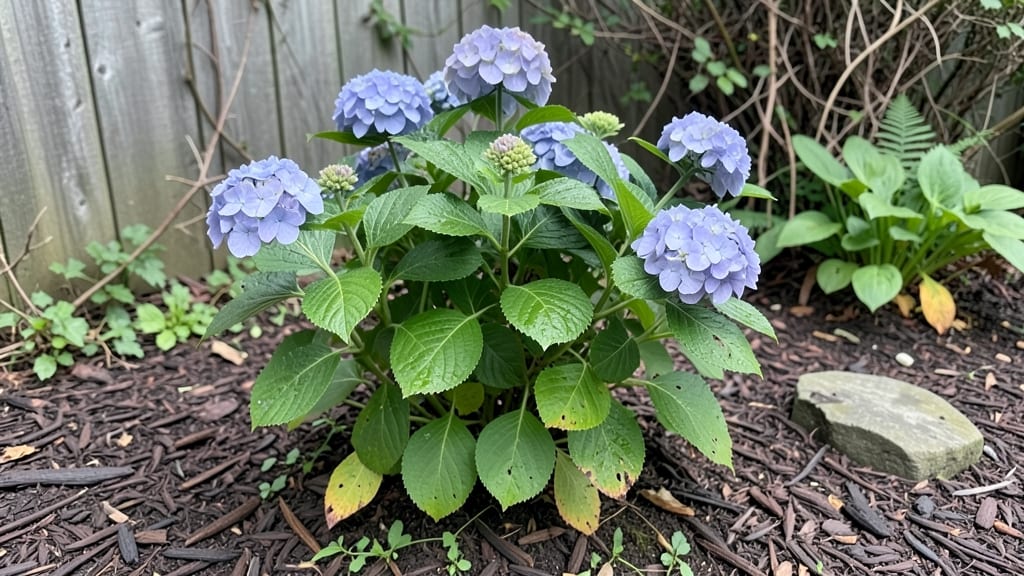
A hydrangea shade garden can turn your dimmest corner into a vibrant retreat—no sun required.
Struggling to keep your shade garden vibrant? Hydrangeas aren’t just for sunlit spots—these 10 low-light thrivers will transform your darkest corners into a lush, year-round floral display with minimal effort.
Picture this: bold blooms in soft light, where 🌸 hydrangeas steal the show alongside ferns and hostas. The key is choosing the right varieties and pairing them with shade-loving companions for a garden that feels alive, even when the sun stays hidden.
Below, I’ll share the top shade-tolerant hydrangeas, soil secrets, and companion plants to create a garden that’s as easy to maintain as it is stunning.
 Best Window Placement
Top 10 hydrangeas that thrive in shade gardens (with light requirements)
Shade gardens often get overlooked, but hydrangeas can be your secret weapon for vibrant, low-maintenance color. Many varieties thrive in partial shade (4-6 hours of light) or even deep shade (less than 4 hours), making them perfect for under trees or north-facing borders.
The key is choosing the right type—some need just a hint of sun, while others tolerate near-darkness. Let’s explore the top 10 shade-tolerant hydrangeas, their light needs, and how to match them to your garden’s microclimates for maximum blooms.
Not all hydrangeas are created equal when it comes to shade. Bigleaf hydrangeas (Hydrangea macrophylla) and oakleaf hydrangeas (Hydrangea quercifolia) are the most shade-tolerant, while panicle hydrangeas (Hydrangea paniculata) need more light to produce their signature cone-shaped blooms. Even within these groups, some varieties outperform others in low-light conditions.
For example, 'Nikko Blue' (a bigleaf) thrives in deep shade, while 'Limelight' (a panicle) prefers partial shade. Understanding these nuances will help you avoid disappointment and create a year-round floral display.
Your garden’s microclimate plays a huge role in success.
A spot under a deciduous tree might get dappled light in summer but deep shade in winter, while an east-facing wall offers morning sun without harsh afternoon rays. Test your light levels for a month before planting—use a light meter or observe how shadows move.
Most shade-loving hydrangeas tolerate 30-70% shade, but their flower size and intensity will vary based on light exposure. For instance, 'Endless Summer' produces fewer blooms in deep shade but still performs well.
Here’s the game-changer: soil moisture retention becomes even more critical in shade gardens. Without direct sunlight, roots stay cooler, and soil dries slower. Amend your soil with organic matter (compost or peat moss) to improve drainage while holding moisture.
Mulch with 3-4 inches of shredded bark to protect roots and reduce evaporation. This is especially important for mophead hydrangeas, which wilt quickly in dry shade. Pair these care tips with the right variety, and you’ll have hydrangeas that thrive where others fail.
Now, let’s dive into the top 10 hydrangeas for shade gardens, ranked by their ability to perform in low-light conditions, along with their ideal light requirements, mature sizes, and seasonal color performance.
Whether you’re working with a deep, dark corner or a brightly lit but sheltered patio, there’s a hydrangea perfect for your space.
🌿
| Variety | Type | Light Needs | Mature Size | Seasonal Color | Notes |
|---|---|---|---|---|---|
| 'Nikko Blue' | Bigleaf | Deep shade | 4-6 ft tall | Blue-purple blooms | Best for full shade; thrives under trees |
| 'Endless Summer' | Bigleaf | Partial shade | 3-5 ft tall | Pink/blue blooms | Reblooms year-round with light |
| 'Annabelle' | Panicle | Partial shade | 4-5 ft tall | White blooms | Tolerates urban pollution and heat |
| 'Limelight' | Panicle | Partial shade | 6-8 ft tall | Green-white blooms | Needs more light for best blooms |
| 'Oakleaf' | Oakleaf | Partial shade |
How to create a hydrangea shade garden: soil, spacing, and care tipsTransforming your shady garden into a hydrangea paradise starts with the right soil prep and plant placement. Unlike sun-loving varieties, shade hydrangeas thrive in moist, acidic soil with organic matter to retain water. The key is balancing moisture retention with proper airflow to prevent fungal issues—common in dense shade. Before planting, test your soil pH—hydrangeas prefer 5.0-6.0. If your soil is alkaline, amend it with peat moss or sulfur to lower pH. I’ve found that adding composted leaves or well-rotted manure improves moisture retention while providing essential nutrients for root development. ⚠️ callout warning
⚠️ Avoid these shade garden mistakes!
• Overwatering: Shade gardens can feel damp, but hydrangeas need consistent moisture, not soggy soil. Water deeply once a week (more in heat) and check soil—it should feel like a wrung-out sponge. • Poor airflow: Crowding plants leads to fungal diseases. Space hydrangeas 3-6 feet apart (depending on variety) for proper circulation. • Wrong pruning time: Prune after flowering (late summer/fall) to avoid cutting off next year’s blooms. Never prune in early spring—this removes potential flower buds. Spacing is critical for hydrangea health in shade. Give each plant 3-6 feet of space to prevent overcrowding, which traps moisture and invites powdery mildew. I recommend planting taller varieties (like Hydrangea macrophylla) at the back and shorter ones (such as Hydrangea arborescens) in front for a layered effect. Mulching is a game-changer for shade hydrangeas. Apply 3-4 inches of organic mulch (like pine bark or shredded leaves) around the base to retain moisture, regulate soil temperature, and suppress weeds. Just keep mulch 2 inches away from the stem to prevent rot. Seasonal care keeps your hydrangeas blooming year-round. In spring, feed with a balanced fertilizer (10-10-10) to encourage growth. After flowering, prune dead or weak stems to shape the plant and remove spent blooms. In fall, reduce watering slightly to harden off the plant for winter. With the right soil prep, spacing, and seasonal care, your shade garden will burst with hydrangea blooms from spring to fall. The secret? Moisture control, proper airflow, and patient pruning—no sun required! 🌿 |