
Plants
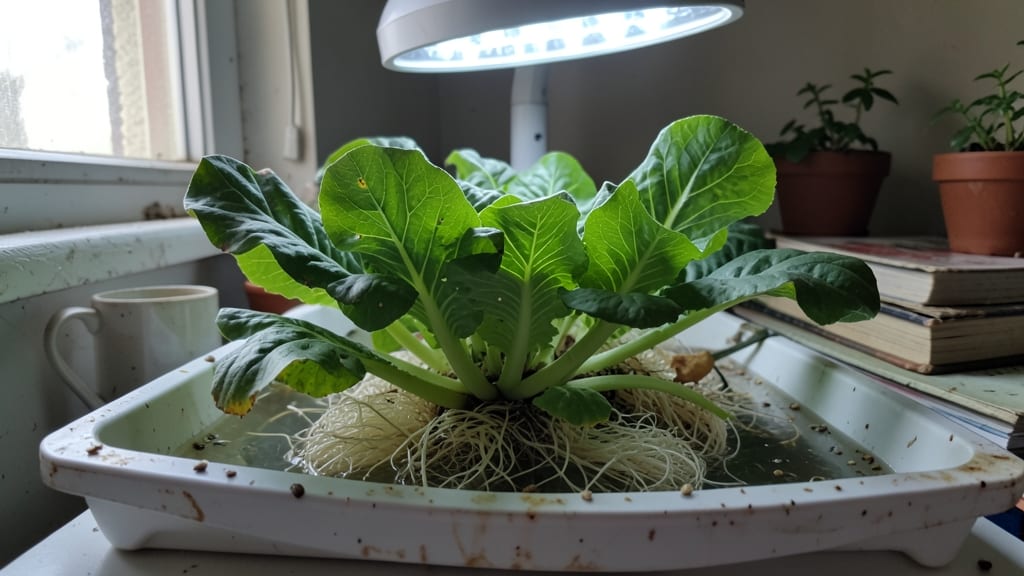
Indoor gardening hydroponics lets you skip soil, sunlight struggles, and even a backyard—just add water, nutrients, and the right setup.
Imagine fresh basil, crisp lettuce, or cherry tomatoes thriving on your kitchen counter 🌱—no dirt, no mess, and no waiting for seasons. This isn’t just a dream; it’s a year-round garden that fits in a closet or under a grow light.
Hydroponics isn’t just for experts. With the right system—whether a simple 5-gallon bucket setup or a high-tech aeroponic tower—you can grow twice as fast as soil gardens, with 90% less water.
No green thumb? No problem. We’ll walk you through the easiest plants, nutrient mixes, and troubleshooting tricks to keep your indoor oasis thriving.
Ready to turn your apartment into a farm? Here’s how to launch your first hydroponic harvest in just 30 days—no yard required.
How hydroponic systems work for indoor gardening: types and benefits
Hydroponics replaces traditional soil with a nutrient-rich water solution, allowing plants to grow faster and more efficiently in controlled environments. Unlike soil-based gardening, hydroponics eliminates weeds, reduces water waste by up to 90%, and lets you grow plants year-round regardless of outdoor conditions.
The system delivers essential nutrients directly to roots, creating an optimal growing environment.
At the core of hydroponics is the nutrient solution, a balanced mix of minerals like nitrogen, phosphorus, and potassium. This solution mimics soil nutrients but is precisely measured for maximum plant health.
The absence of soil also means fewer pests and diseases, making hydroponics ideal for indoor spaces where contamination risks are higher.
There are several hydroponic system types, each suited to different skill levels and space constraints. The most common include deep water culture (DWC), nutrient film technique (NFT), wick systems, and aeroponics.
Each method has unique advantages, from simplicity to scalability, making hydroponics adaptable to any indoor gardening goal.
Water efficiency is one of hydroponics' biggest advantages. Traditional soil gardens lose water through evaporation and runoff, while hydroponic systems recirculate water, using only what's necessary. This not only saves water but also reduces maintenance—no more overwatering or dealing with soggy soil.
Hydroponic systems also promote faster growth rates because plants receive nutrients continuously. Leafy greens like lettuce and herbs like basil can mature in as little as 3-4 weeks, compared to 6-8 weeks in soil. Fruiting plants like tomatoes and peppers benefit too, producing higher yields in the same space.
Pest resistance is another game-changer. Without soil, common garden pests like aphids, slugs, and soil-borne diseases can't thrive. This makes hydroponics particularly appealing for urban gardeners or those with limited space who want to avoid chemical pesticides.
Let's compare the most popular hydroponic systems to help you choose the best fit for your indoor garden:
| System Type | How It Works | Best For | Pros | Cons |
|---|---|---|---|---|
| Deep Water Culture (DWC) | Plant roots submerged in oxygenated nutrient solution. | Beginners, leafy greens, herbs | Simple setup, high yields, fast growth | Requires air pump, limited scalability |
| Nutrient Film Technique (NFT) | Thin film of nutrient solution flows over roots. | Fast-growing plants, small spaces | Water-efficient, compact, low maintenance | Sensitive to power outages, limited root space |
| Wick System | Wicks draw nutrient solution to roots passively. | Low-tech setups, small plants | No electricity needed, quiet operation | Slower growth, limited to small plants |
| Aeroponics | Roots misted with nutrient solution in air. | Advanced growers, high-value crops | Max oxygen uptake, fastest growth | Complex setup, high maintenance |
For beginners, I recommend starting with a deep water culture (DWC) system. It's the easiest to set up and maintain, requiring just a bucket, net pots, an air pump, and a nutrient solution.
DWC systems are perfect for growing leafy greens like lettuce, spinach, and herbs such as basil and mint.
If you're working with limited space, the nutrient film technique (NFT) is an excellent choice. This system uses a slight incline to allow a continuous flow of nutrient solution over the roots, making it ideal for small indoor setups.
It’s particularly effective for fast-growing plants like strawberries or cherry tomatoes.
For those who prefer a low-tech approach, a wick system is a great option. It uses passive wicks to deliver nutrients to the roots, eliminating the need for pumps or electricity. While it’s slower than other methods, it’s perfect for small-scale indoor gardening with minimal maintenance.
Advanced gardeners might explore aeroponics, where roots are misted with nutrient solution in an oxygen-rich environment. This method offers the fastest growth rates but requires more technical knowledge and regular maintenance to keep the system running smoothly.
Regardless of the system you choose, consistent monitoring is key. Check your pH levels regularly (aim for 5.5-6.5) and adjust your nutrient solution as needed. With the right setup, hydroponics can transform your indoor space into a productive garden year-round.
🌱
Best hydroponic plants for beginners: fast-growing, high-yield options
Starting your hydroponic journey? You’ll want plants that thrive in water-based systems with minimal fuss. Leafy greens, herbs, and compact fruiting plants are perfect for beginners—they grow quickly, require fewer nutrients, and forgive occasional mistakes.
I’ve grown lettuce, basil, and strawberries hydroponically, and they consistently deliver harvests in 4-8 weeks with the right setup.
These plants don’t just grow fast—they’re also space-efficient and adaptable to small indoor setups. Whether you’re using a Kratky system, deep water culture (DWC), or a simple nutrient film technique (NFT) setup, these varieties will help you gain confidence before tackling more demanding crops.
Let’s dive into the top 5 beginner-friendly hydroponic plants that yield big results with little effort.
| Plant | Growth Time | Yield Potential | Light Needs | Nutrient Tips |
|---|---|---|---|---|
| Lettuce (Butterhead, Romaine) | 4-6 weeks | 10-15 heads per sq ft | 12-16 hrs/day | Balanced 5-5-5 NPK |
| Basil (Genovese, Thai) | 5-7 weeks | 50+ stems per plant | 14-18 hrs/day | Higher nitrogen (7-5-5) |
| Strawberries (Alpine, Everbearing) | 8-12 weeks | 50+ berries per plant | 16-18 hrs/day | Phosphorus boost (5-10-5) |
| Spinach (Baby Leaf) | 3-5 weeks | 20-30 lbs per sq ft | 12-14 hrs/day | Low calcium (avoid tip burn) |
| Mint (Peppermint, Spearmint) | 4-6 weeks | Unlimited (aggressive spread) | 12-16 hrs/day | High nitrogen (10-5-5) |
Lettuce is my go-to for beginners because it’s forgiving and fast-growing. In my DWC system, I’ve harvested crisp romaine in just 5 weeks using a 5-5-5 nutrient mix. The key is keeping the water temperature between 65-75°F and ensuring the roots stay submerged but not waterlogged. For continuous harvests, I’ll cut outer leaves and let the inner ones regrow—this method works like magic for space-saving setups.
If you love fresh herbs, basil is a hydroponic superstar. It thrives in warm water and high humidity, making it perfect for indoor grow tents. I’ve seen Genovese basil reach 12 inches tall in 6 weeks under 16 hours of LED light.
The trick? Prune the top leaves to encourage bushier growth, and avoid over-fertilizing—too much nitrogen can lead to weak stems. For extra flavor, I’ll add a pinch of calcium nitrate to the water once the plants flower.
For something sweet and rewarding, try strawberries. Alpine varieties like Seascape are ideal for hydroponics because they’re compact and produce year-round. In my NFT system, I’ve harvested 50+ berries per plant in 10 weeks by maintaining a pH of 5.5-6.0 and using a 7-9-5