Tools
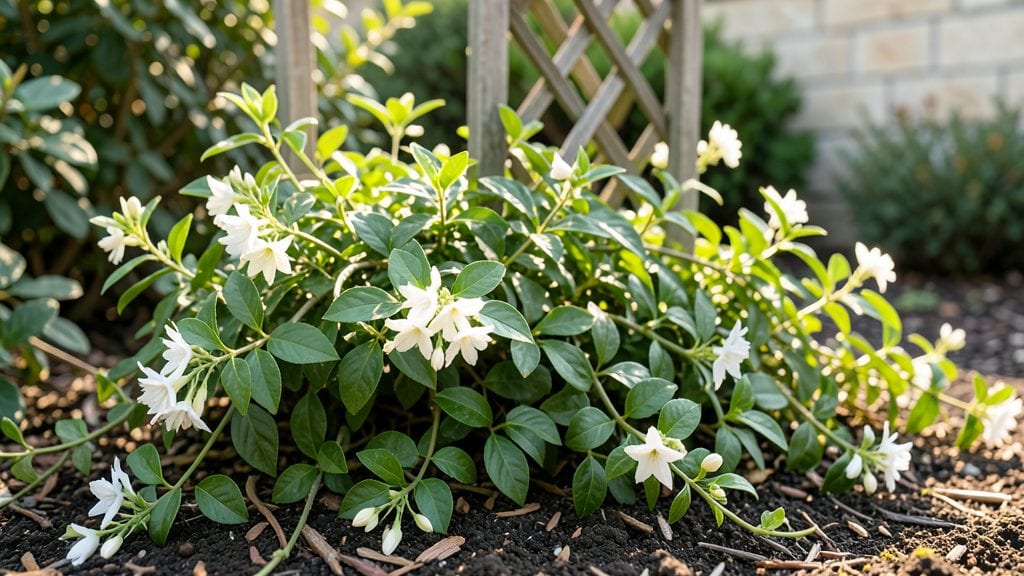
My jasmine in garden transformed from a simple vine to the star of my backyard—its intoxicating scent and lush green tendrils now frame every path and patio. 🌿 The secret isn’t just planting it; it’s weaving it into the fabric of your space so it feels intentional, not accidental.
I started with a simple arbor near my front door, and now I’m dreaming of draping it over pergolas and along fences, turning every corner into a fragrant escape.
You don’t need a sprawling yard to make jasmine work—containers, trellises, and even old wooden ladders can become stunning backdrops. Pair it with climbing roses for a romantic mix or let it tangle with clematis for a wild, natural look.
The key is giving it something to climb early, because those first tendrils are delicate and eager to latch on. Most varieties bloom spring through fall, but some, like winter jasmine, surprise you with golden flowers even in January.
Imagine stepping outside to the sweet, heady perfume that lingers in the evening air, or running your fingers along velvety leaves that shimmer in the sunlight. Jasmine isn’t just pretty—it’s an experience, a living scent that turns your garden into a sanctuary.
The best part? It’s low-maintenance once established, thriving in partial shade and needing little more than occasional pruning to keep it lush and productive.
Whether you’re designing a cozy corner or a grand entrance, jasmine adapts. Start small with a single trellis, then expand as you fall in love with its versatility. The possibilities are endless—let’s make your garden unforgettable, one fragrant vine at a time.
📚 In This Guide
- What you need
- Instructions
- Tips and common mistakes
- Wrapping up and next steps
What you need
- ● Jasmine plants: 3–5 Jasminum officinale (common jasmine) or Jasminum polyanthum (winter jasmine) vines (for a lush, climbing effect). Choose healthy, well-rooted plants from a nursery.
- ○ Optional: Mix varieties for year-round blooms (e.g., spring jasmine + summer jasmine).
- ● Support structure: 1–2 trellis panels (6–8 ft tall, 3–4 ft wide) or a permanent arbor frame (metal or wood, 8+ ft tall).
- ● Alternative: A sturdy pergol or obelisk for vertical growth.
- ● Soil amendments: 5–10 lbs well-draining potting mix (or garden soil + 2–3 lbs compost per planting hole).
- ● 1 cup perlite or sand (to prevent root rot).
- ● Mulch: 2–3 bags organic mulch (pine bark or shredded leaves) to retain moisture.
- ● Digging: Garden trowel or spade (for planting holes 12–18" deep).
- ○ Pruning: Bypass pruners (for shaping vines) + optional: loppers for thicker stems.
- ● Securing: Soft plant ties or jute twine (to attach vines to the trellis).
- ● Watering: Garden hose with soaker hose attachment (for deep watering).
- ○ Optional but helpful: Gloves (to protect hands from thorns), wheelbarrow (for moving soil), and a moisture meter (to track soil health).
- ● A sunny spot: Jasmine thrives in 6+ hours of direct sunlight daily (partial shade in hot climates).
- ● Well-draining soil: Test your soil’s pH (ideal: 6.0–7.0). Amend if needed.
- ● Patience: Jasmine grows 1–2 ft per year—full coverage may take 2–3 seasons! 🐢
- ● Pro tip: Plant near a patio or window to enjoy the intoxicating scent up close! 🌸
Step-by-step guide to creating a jasmine-inspired garden arbor
Here's how to weave fragrant jasmine vines into a stunning, low-maintenance garden feature.
🌱 Step 1: Select and Prepare Your Trellis Structure
Choose a sturdy trellis or arbor that's at least 6 feet tall—jasmine vines need vertical space to climb and spread. I like arched designs because they create a natural canopy effect. Secure the structure firmly in the ground using 4-6 concrete anchors, spaced evenly along the base. This prevents wobbling when vines become heavy with blooms.
For a 4-plant installation, position your trellis in a spot that gets at least 6 hours of sunlight daily. Jasmine thrives in partial shade too, but you'll get more abundant blooms in sun. Mark the planting spots with small stakes—place them 3-4 feet apart along the base of the trellis to give vines room to establish before reaching upward.
🪴 Step 2: Plant Jasmine Vines Along the Trellis Base
Dig holes that are twice as wide as the root balls but only as deep as the containers your jasmine vines came in. Gently remove each plant from its pot and loosen the roots if they're circling. Place the vine in the hole so the top of the root ball sits just below soil level—jasmine hates having its crown buried too deep.
Fill the hole with native soil, pressing lightly to remove air pockets. Water each plant deeply until the soil is evenly moist 6 inches down. I like to add a 2-inch layer of mulch around each plant (but not touching the stems) to conserve moisture and suppress weeds. This is where you'll see the magic happen—jasmine roots spread aggressively once established.
☀️ Step 3: Train Vines and Provide Support
As new growth appears, gently tie the main stems to the trellis using soft plant ties or strips of old fabric. You'll want to guide the vines upward in a spiral pattern—this creates a lush, cascading effect. Avoid metal ties that can cut into tender stems as they grow. I check my ties every 2-3 weeks in spring and summer to adjust as vines thicken.
Jasmine grows best when pruned lightly after flowering. In late winter, trim back any dead or crossing branches to just above a leaf node. This encourages bushier growth and more abundant blooms. The key is patience—jasmine can take 1-2 years to fully cover a trellis, but the fragrant white flowers make every season of growth worthwhile.
💧 Step 4: Maintain Water and Fertilize Seasonally
Water your jasmine vines deeply once a week during the first growing season to establish strong roots. Once established, they're quite drought-tolerant, but you'll get more blooms if you keep the soil consistently moist during dry spells. I test moisture by sticking my finger 2 inches into the soil**—if it feels dry, it's time to water.
Feed your jasmine with a balanced fertilizer (10-10-10) in early spring and again after flowering. I use about ½ cup per plant, worked into the soil around the base. Avoid high-nitrogen fertilizers—they promote leafy growth at the expense of fragrant flowers. The best time to fertilize is when you see new growth emerging in spring, and again when blooms start to fade in summer.
✂️ Step 5: Enjoy and Prune for Continuous Blooms
Your jasmine arbor will reward you with year-round fragrance if you maintain it properly. After each flush of blooms, trim back about ⅓ of the oldest stems to encourage new growth. This keeps the plant vigorous and prevents it from becoming too woody. The most fragrant blooms appear on new wood, so regular light pruning pays off.
In winter, protect young plants from harsh winds by wrapping the trellis with burlap or frost cloth. Mature jasmine can handle light frosts, but new growth is more tender. You'll know your arbor is thriving when you can smell the sweet jasmine scent on warm evenings—this is the true reward of creating a fragrant garden feature that lasts for years.
Tips & tricks for perfect jasmine-inspired garden arbors
Here's what nobody tells you about creating a fragrant jasmine arbor that'll make your garden smell like heaven.
Trellis Placement: The 6 hours of sunlight mentioned is ideal, but don't panic if you have slightly less. Jasmine can thrive with 4-5 hours, though you might get fewer blooms. For maximum fragrance, position your trellis near seating areas or walkways so you can enjoy the scent while relaxing. I placed mine near my patio where the evening breeze carries the fragrance directly to my outdoor sofa.
Root Ball Handling: When planting those 4 jasmine vines, resist the urge to bury them too deep—jasmine roots need to breathe! The instructions say to place the root ball just below soil level, but I've found it's better to mound soil slightly higher around the base to prevent water pooling. This keeps roots healthy and encourages upward growth toward the trellis.
Support System: Those 2-3 week checks on your ties are crucial, but here's a secret: use soft plant ties made from natural fibers like cotton or jute. They'll break down over time, so you won't have to remove them later. I've also found that wrapping the ties around the trellis first (rather than the vine) gives the stems more freedom to grow without constriction.
Pruning Strategy: The late winter pruning to just above a leaf node is perfect, but don't stop there. After your first flush of blooms, give your jasmine a light haircut by trimming back about ⅓ of the oldest stems. This might seem counterintuitive, but it forces the plant to focus energy on producing new, fragrant growth rather than maintaining old wood. I do this every spring and summer, and my arbor blooms more abundantly each year.
Pro Tips for Jasmine In Garden
- Here's what nobody tells you about creating a fragrant jasmine arbor that'll make your garden smell like heaven.
- Trellis Placement: The 6 hours of sunlight mentioned is ideal, but don't panic if you have slightly less.
- Root Ball Handling: When planting those 4 jasmine vines, resist the urge to bury them too deep—jasmine roots need to breathe!
Frequently asked questions
Got questions about adding jasmine to your garden?
Here are answers to the most common ones—so you can create a fragrant haven with confidence!
When is the best time to plant jasmine in my garden?
Plant jasmine in early spring (after the last frost) or fall (6 weeks before the first frost). This gives roots time to establish before extreme temperatures. For container jasmine, you can plant year-round in mild climates!
How much sunlight does jasmine need to thrive?
Most jasmine varieties thrive in full sun (6+ hours daily), but some (like Jasminum polyanthum) tolerate partial shade. If grown in shade, expect fewer blooms but lush foliage. Always check your specific variety’s care guide!
Why isn’t my jasmine flowering? What can I do?
Lack of blooms often means too much shade, over-fertilization (especially with nitrogen), or pruning at the wrong time. Try moving to sunnier spot, pruning after flowering, and using a balanced bloom-boosting fertilizer (like 10-10-10). Patience helps—jasmine can take 2-3 years to mature!
Can I grow jasmine in containers? What’s the best setup?
Choose a 5-gallon+ container with drainage holes, well-draining potting mix, and a trellis or wire frame for climbing. Dwarf varieties (like Jasminum officinale ‘Hummel’) work best. Water regularly and fertilize monthly during growing season for best results.
Are there pests or diseases I should watch for with jasmine?
Jasmine is generally pest-resistant, but keep an eye out for aphids, spider mites, or powdery mildew in humid climates. Treat aphids with soapy water; improve airflow to prevent mildew. Overwatering can cause root rot, so ensure good drainage always!
What’s a good jasmine alternative if I want fragrance but low maintenance?
Try mock orange (Philadelphus) or star jasmine (Trachelospermum jasminoides)—both are fragrant, drought-tolerant, and easier to care for. Gardenia is another stunning (but slightly pricier) option for lush, scented blooms!
Wrapping up and next steps
Creating a jasmine-inspired garden is a rewarding way to fill your outdoor space with year-round fragrance and beauty. Whether you're a seasoned gardener or just starting, these fragrant arbors offer a simple yet stunning solution for any yard.
With the right plants, tools, and a little creativity, you’ll enjoy a scented sanctuary that blooms through the seasons.
Ready to transform your garden? Start small—plant a single trellis or a cluster of jasmine vines—and watch your space flourish! 🌿✨ For even more inspiration, explore local nurseries or gardening forums to connect with fellow plant lovers.