Tools
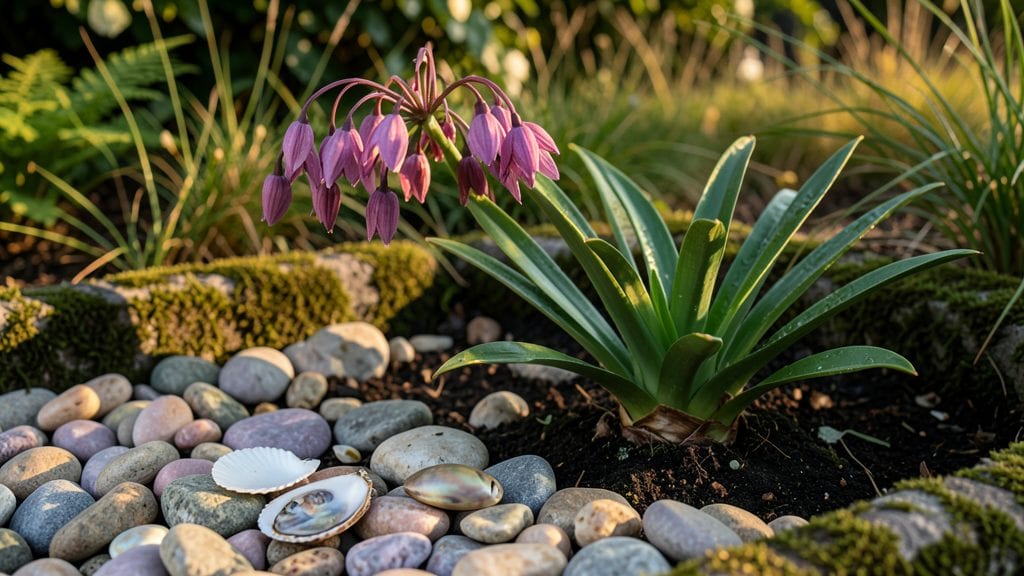
Seashells in gardens boost soil health by introducing calcium and magnesium while adding a natural coastal charm. You can grind them into mulch or use whole shells as decorative elements that repel pests and invite helpful insects.
Seashells aren't just pretty accents—they're a powerhouse for your garden's soil chemistry.
When crushed, they break down into calcium carbonate, which gently raises soil pH and improves drainage over time. 🌿 I've noticed my tomato plants thrive when I mix crushed shells into their beds, thanks to that slow-release magnesium boost.
Plus, the sharp edges deter slugs while providing microhabitats for beneficial ground beetles and spiders.
For design lovers, shells create instant coastal vibes without the upkeep. Try lining garden paths with large, polished shells or embedding them in fairy garden scenes. The key is balancing aesthetics with function—place them where they'll both beautify and benefit your plants.
💡 In This Article
- How Seashells Boost Garden Soil Fertility
- Creative Coastal Garden Designs with Seashells
How seashells boost garden soil fertility
Seashells primarily consist of calcium carbonate (CaCO₃), which breaks down into calcium and magnesium over time. When crushed and worked into soil, these minerals act like a slow-release fertilizer, providing essential nutrients that many plants—especially calcium-loving varieties like tomatoes, peppers, and brassicas—crave.
The process begins when soil microbes and natural acids dissolve the shells, releasing calcium ions that improve soil structure and help neutralize acidic soils. 🌱 This mineral infusion can raise pH levels gradually, often by 0.5-1.0 points over a growing season, creating an optimal environment for nutrient uptake.
The magnesium content in shells plays a crucial role in chlorophyll production, helping plants develop vibrant green foliage and stronger stems. Studies show that magnesium deficiencies often appear as yellowing between leaf veins, but incorporating crushed shells can prevent this by providing a steady supply.
Unlike synthetic fertilizers that deliver quick but short-lived nutrients, shells release minerals over months, mirroring natural decomposition processes. For example, a 1-inch layer of crushed shells spread over 10 square feet can provide enough calcium to benefit plants for an entire growing season.
Beyond nutrients, crushed shells improve soil drainage by creating tiny air pockets that prevent compaction. This is particularly valuable in clay-heavy soils where water pools and roots suffocate.
The rough texture also disrupts the smooth surface of garden beds, encouraging earthworms and beneficial microbes to tunnel through, further aerating the soil.
I've seen firsthand how adding shells to my vegetable garden reduced waterlogging after heavy rains, allowing roots to access oxygen more efficiently. 💧 The sharp edges also act as a natural pest deterrent, discouraging slugs and snails from crossing treated areas.
Microbiological activity thrives when shells are incorporated into soil. The calcium carbonate helps buffer pH fluctuations, creating a stable environment where beneficial bacteria and fungi can flourish. These microorganisms then break down organic matter more efficiently, making additional nutrients available to plants.
For instance, mycorrhizal fungi—critical for root health—grow more actively in slightly alkaline soils enriched with calcium. The result is a self-sustaining ecosystem where plants grow stronger, require fewer synthetic inputs, and resist diseases better.
For best results, crush shells into pieces no larger than ¼-inch to accelerate decomposition. Mix them into the top 6 inches of soil during planting or top-dress existing beds in early spring. Avoid overdoing it—too much can create a chalky layer that repels water.
Instead, think of shells as a 5-10% supplement to your existing soil mix, especially in acidic or nutrient-poor conditions. The transformation in plant vigor is often noticeable within 4-6 weeks of application.
What most gardeners don't realize is how versatile shells can be in different soil types. In sandy soils, they help retain moisture by improving water-holding capacity, while in heavy clay, they prevent compaction and improve tilth.
The key is matching the shell treatment to your soil's specific needs—whether it's acidity correction, nutrient enrichment, or structural improvement. 🌿 With their dual role as both soil enhancer and decorative element, shells prove to be one of nature's most underrated gardening tools.