
Tools
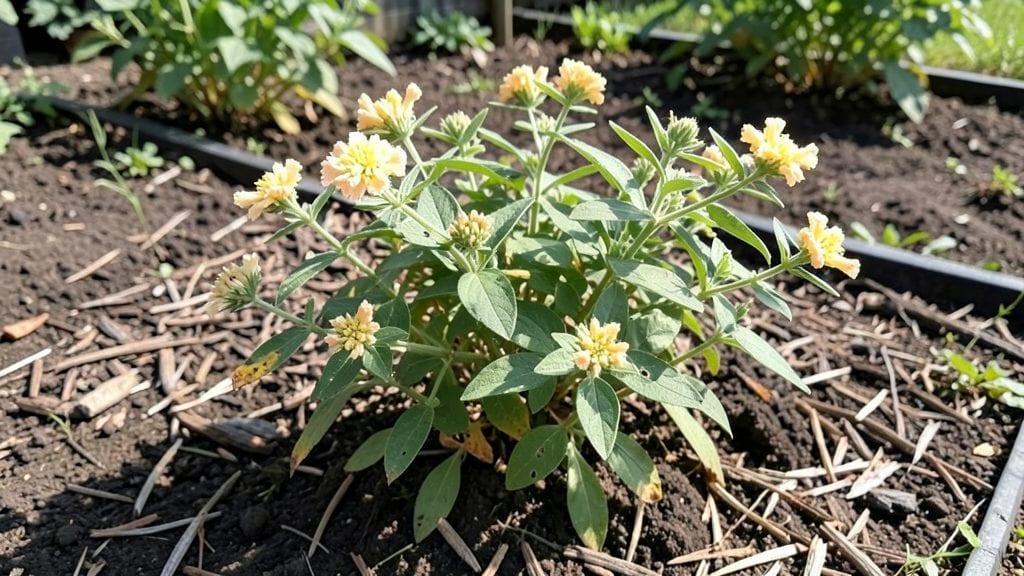
Lantana in garden designs turns dull spaces into vibrant, buzzing ecosystems—just look at how mine transformed a sunbaked corner into a pollinator magnet. 🌿 The second I planted it, bees and butterflies started treating it like an all-you-can-eat buffet, and the flowers never quit blooming, even when summer dried up everything else.
This isn’t just another pretty face—lantana thrives on neglect, handles drought like a champ, and keeps producing those cheerful clusters of pink, yellow, or purple flowers from spring through frost.
Pair it with salvia for a nonstop color show, or let it spill over container edges for a casual, cottage-garden look. The key is full sun and well-drained soil (it hates soggy feet), and suddenly you’ve got a plant that works harder than you do.
You’ll end up with a garden that stays lively when other plants fade—bold blooms in midsummer, buttery wings fluttering overhead, and zero fuss to keep it happy.
The secret’s in how you use it: as a living border, a pollinator highway, or even a hedge if you prune it back every few months. Once you try it, you’ll wonder why you didn’t fill every sunny spot with lantana years ago.
Works in formal gardens, wildscapes, or container arrangements—just give it room to spread (it’s not shy). The more you play with color combos and companion plants, the more your garden will feel like a living painting that never stops changing. Let’s get those blooms going!
📚 In This Guide
- What you need
- Instructions
- Tips and common mistakes
- Wrapping up and next steps
What you need
- ● Lantana plants: 3–5 mature nursery-grown plants (for quick color)
- ● OR 1–2 packets of lantana seeds (if starting from scratch)
- ● Well-draining soil: Mix 1 part garden soil + 1 part perlite/sand (lantana hates soggy roots!)
- ● Organic compost: 1–2 cups per planting hole (boosts nutrient uptake)
- ● Slow-release fertilizer: Balanced 10-10-10 or rose/flower-specific (1 tbsp per plant)
- ● Garden trowel or shovel (for digging holes 6–12 inches deep)
- ● Pruning shears (for trimming dead blooms or shaping plants)
- ● Watering can or hose with gentle nozzle (lantana prefers deep but infrequent watering)
- ○ Gloves (optional, but handy for thorny varieties like Lantana camara)
- ○ Mulch (optional): 2–3 inches of gravel or pine bark (retains moisture + deters weeds)
- ● Sunlight: Full sun (6+ hours daily) for optimal blooming
- ● Climate: Hardy in USDA Zones 8–11 (can be grown as annuals in cooler zones)
- ● Spacing: 18–24 inches apart (allows airflow + prevents overcrowding)
- ● Drought tolerance: Once established, lantana thrives with minimal watering (1–2 times/week in dry spells)
Step-by-Step instructions for planting and maintaining lantana in your garden
This hardy shrub thrives with minimal fuss—just follow these steps for vibrant, drought-resistant blooms all season.
🌱 Step 1: Choose the Right Location and Prepare the Soil
Lantana craves full sun—plant where it gets at least 6-8 hours of direct sunlight daily. The more sun, the more blooms you’ll see. If your garden has afternoon shade, pick a spot with morning sun exposure instead. Avoid low-lying areas where cold air pools—lantana is tender to light frosts.
Before planting, loosen the soil to a depth of 12 inches with a garden fork. Lantana adapts to most soil types but prefers well-draining soil. If your garden soil is heavy clay, amend it with 2-3 inches of compost to improve drainage. A slightly acidic to neutral pH (6.0-7.0) works best—test your soil if possible.
🪴 Step 2: Plant Lantana at the Correct Depth and Spacing
Dig a hole twice as wide as the root ball but no deeper—lantana roots spread horizontally, not downward. Gently remove the plant from its container and tease apart any tangled roots. Place it in the hole so the top of the root ball sits level with the surrounding soil—burying too deep can cause rot.
Space plants 18-24 inches apart for compact varieties or 3-4 feet apart for larger, sprawling types. Mulch around the base with 2-3 inches of organic mulch (like shredded bark) to retain moisture and suppress weeds. Keep the mulch 2 inches away from the stem to prevent rot.
☀️ Step 3: Water Deeply and Establish a Regular Care Routine
Water deeply once a week during the first month to encourage root growth. After that, lantana is famously drought-tolerant—water only when the soil feels bone-dry 2-3 inches below the surface. Overwatering is the biggest mistake beginners make; soggy soil leads to root rot and fewer blooms.
Fertilize lightly in spring with a balanced, slow-release fertilizer (10-10-10). Too much nitrogen promotes leafy growth at the expense of flowers. Deadhead spent blooms by pinching them off with your fingers or snipping with clean shears—this encourages continuous flowering. Prune lightly after blooming to shape the plant and remove leggy growth.
✂️ Step 4: Prune and Protect for Year-Round Health
Prune in late winter or early spring to shape the plant and remove dead wood. Cut back overgrown stems by one-third to encourage bushier growth. Lantana blooms on new wood, so don’t prune too late in the season—you’ll sacrifice next year’s flowers. Wear gloves when handling the plant; its leaves can irritate sensitive skin.
In colder climates (below 20°F), protect lantana by mulching heavily around the base or wrapping the plant in burlap. If frost threatens, move potted lantana indoors to a bright, cool spot. In warmer zones, lantana thrives year-round with minimal care—just keep it well-drained and deadhead regularly.
🌿 Step 5: Monitor for Pests and Adjust Care as Needed
Lantana is generally pest-resistant, but watch for aphids or spider mites on new growth. Blast them off with a strong spray of water or treat with insecticidal soap if they persist. Yellowing leaves often signal overwatering or poor drainage—let the soil dry out completely before watering again.
If blooms slow down mid-season, the plant may need more sun or fertilizer. Move it to a sunnier spot if possible, or apply a low-nitrogen, high-phosphorus fertilizer (like 5-10-5) to boost flowering. With the right care, your lantana will reward you with colorful blooms from spring through frost.
Tips & tricks for perfect lantana planting and maintenance
A few key strategies will help your lantana thrive and reward you with vibrant blooms all season long.
Sunlight Strategy: While lantana thrives in the recommended 6-8 hours of direct sunlight, I’ve found that positioning it where it gets morning sun and afternoon shade in extremely hot climates (above 95°F) actually preserves more blooms. The intense afternoon sun can sometimes scorch the flowers, especially in desert regions. If you notice flowers wilting in afternoon heat, consider providing light afternoon shade during peak summer months.
Soil Preparation: The 12-inch soil loosening in Step 1 is crucial, but don’t stop there. For heavy clay soils, I recommend mixing in 5 gallons of compost per square yard and adding 1-2 inches of coarse sand to improve drainage. This creates ideal conditions for lantana’s shallow root system. Test your soil’s pH before planting—if it’s below 6.0, amend with 1 cup of garden lime per plant to reach the ideal 6.0-7.0 range.
Watering Wisdom: That first month of deep weekly watering is non-negotiable, but here’s the secret: water in the morning rather than evening. This gives the soil time to dry out during the day, preventing fungal issues that can occur with prolonged moisture. After establishment, I check moisture by inserting a 6-inch screwdriver into the soil—if it goes in easily, it’s time to water. If it meets resistance, wait another week.
Pruning Precision: When cutting back overgrown stems by one-third in Step 4, always make cuts just above a leaf node where new growth will emerge. I use clean, sharp pruners and dip them in rubbing alcohol between cuts to prevent spreading any potential diseases. For particularly leggy plants, you can make two cuts—one to remove the top third and another to encourage branching from lower stems.
Pro Tips for Lantana In Garden
- A few key strategies will help your lantana thrive and reward you with vibrant blooms all season long.
- The intense afternoon sun can sometimes scorch the flowers, especially in desert regions.
- Soil Preparation: The 12-inch soil loosening in Step 1 is crucial, but don’t stop there.
Frequently asked questions
about growing lantana in your garden—because every gardener deserves a little clarity!Is lantana invasive, and should I be worried?
Lantana can be invasive in some regions (like Florida or California), especially in warm climates where it spreads aggressively. If you live in a mild-winter zone, opt for sterile cultivars or plant it in containers to control growth. Always check local regulations before planting!
How do I prune lantana to keep it blooming?
Prune lightly after blooms fade to encourage new growth. For shaping, trim back by one-third in early spring. Deadhead spent flowers regularly to prolong blooming. Pro tip: Wear gloves—lantana sap can irritate skin!
Can lantana survive drought once established?
Once rooted, lantana thrives on neglect—water deeply only during extreme drought (every 2–3 weeks). Overwatering causes root rot, so let the soil dry between waterings. Mulch helps retain moisture without smothering roots.
Are lantana flowers toxic to bees or butterflies?
Great news! Lantana attracts pollinators like bees and butterflies—its nectar-rich blooms are a magnet for wildlife. Just avoid hybrid varieties with double flowers, as they may offer less nectar. Plant near pollinator-friendly paths for maximum buzz!
What’s the best alternative if I hate lantana’s spread?
Try drought-tolerant alternatives like salvia, verbenas, or firebush for similar color and resilience. For ground cover, sedum or ice plant are low-maintenance picks. All thrive in full sun and handle heat like pros!
Why are my lantana leaves turning yellow?
Yellow leaves usually signal overwatering or nutrient deficiency. Check soil drainage—lantana hates soggy roots. Feed with a balanced fertilizer (10-10-10) in spring if growth stalls. Fix fast: Reduce watering and trim affected stems to redirect energy.
Still stumped? Drop your lantana woes in the comments—we’ve got answers!
Wrapping up and next steps
Incorporating lantana in your garden is a game-changer for year-round color, resilience, and low-maintenance beauty! 🌸 These drought-tolerant blooms thrive with minimal fuss, making them perfect for busy gardeners or eco-conscious landscapers.
Whether you’re revamping a sunny border, attracting pollinators, or simply craving vibrant hues, lantana delivers—without the drama.
Ready to transform your outdoor space? Start small: pick a variety, prep your soil, and plant with confidence! 🌱 For extra flair, pair lantana with succulents or herbs for a stunning, sustainable display. Happy gardening—your future blooms will thank you!