
Pests and Diseases
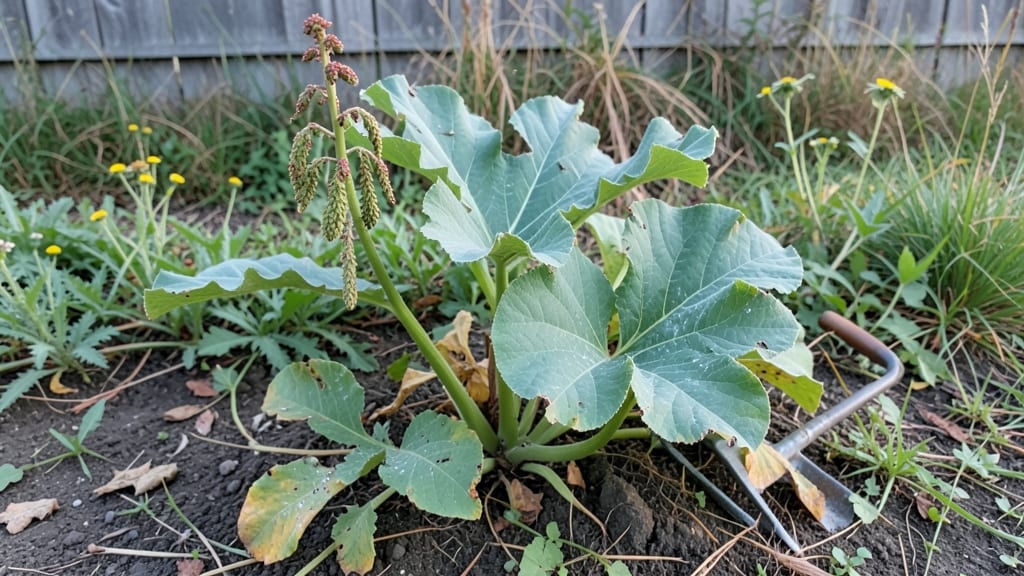
Large garden weeds can turn a thriving plot into a tangled mess, but I’ve perfected a chemical-free method that actually works—no more wasted effort or stubborn regrowth. The secret lies in timing, technique, and a few unexpected tools that make pulling weeds feel like a breeze instead of a chore.
This isn’t just about yanking plants; it’s about starving them out, smothering them, and preventing their return with minimal elbow grease.
Most people pull weeds when they’re already established, which is like fighting a losing battle. Instead, I target them when they’re young—before they develop deep roots—using a simple fork or weeding knife to loosen the soil without disturbing nearby plants.
For stubborn invaders like dandelions, a daily 5-minute session in damp soil makes the job nearly effortless. The key is consistency: weeds don’t stand a chance when you attack them early and often.
By the end of a season, you’ll notice fewer weeds sprouting, healthier soil, and plants that thrive without competition. The method even works in vegetable beds, flower gardens, and lawn edges—no special equipment needed.
Once you see the difference, you’ll wonder why you ever struggled with weeds before. Let’s get your garden back under control.
This approach works year-round, though spring and fall are the most effective times to tackle weeds before they spread. For large-scale gardens, consider mulching or hand-hoeing as a preventive measure. The goal isn’t perfection—it’s progress. With this method, you’ll spend less time pulling and more time enjoying your garden.
The Hidden Triggers Behind Unruly Growth
Large, aggressive weeds don’t just appear out of nowhere—they thrive because of specific conditions in your garden. Understanding these triggers is the first step to reclaiming your space without harsh chemicals. Let’s break down the science behind why weeds grow so fast and strong.
###
🌱 1. Disturbed Soil Creates the Perfect Invitation
Weeds love freshly turned soil because it exposes buried seeds to sunlight and moisture. When you till, dig, or even walk on garden beds, you:
- Stir up dormant weed seeds—many lie dormant for years until disturbed.
- Loosen compacted soil, making it easier for roots to penetrate and spread.
- Disrupt beneficial microbes that would otherwise compete with weeds for nutrients.
Pro tip: 💡 Use a broadfork (a garden tool that loosens soil without flipping it) to aerate beds gently. This reduces weed seed exposure while improving drainage.
###
💧 2. Overwatering and Poor Drainage Fuel Their Growth
Weeds like bindweed, crabgrass, and nutsedges thrive in moist conditions because they:
- Grow aggressively in wet soil—some, like dandelions, develop deep taproots to access water.
- Outcompete plants for moisture, especially in clay-heavy or poorly drained areas.
- Spread via runners or rhizomes when soil stays consistently damp.
Actionable fix: Test your soil’s drainage by digging a 6-inch hole and filling it with water. If it doesn’t drain within 4 hours, amend with compost or sand to improve airflow. Pro tip: 🌡️ Water deeply but infrequently—most weeds can’t survive drought-like conditions as well as your desired plants.
###
☀️ 3. Too Much Sunlight Gives Them an Edge
Full-sun areas (6+ hours of direct light) are weed magnets because:
- Sun-loving weeds (e.g., purslane, pigweed) photosynthesize rapidly, growing 2–3x faster than shade-tolerant plants.
- Competing plants (like vegetables or flowers) may struggle in extreme heat, leaving open gaps for weeds to colonize.
- Exposed soil dries out, reducing microbial activity that would otherwise suppress weed seeds.
Solution: Use mulch (straw, wood chips, or grass clippings) to block sunlight and retain moisture. Pro tip: ✨ For stubborn weeds, apply a thick layer (3–4 inches) of mulch—this smothers seeds and starves existing weeds of light.
###
🌿 4. Nutrient-Rich Soil Acts Like a Weed Buffet
Weeds exploit gardens with high nitrogen or organic matter because:
- Nitrogen-heavy soil (from fresh manure, synthetic fertilizers, or compost) encourages leafy growth—ideal for weeds like chickweed.
- Loose, fertile soil makes it easy for weeds to root deeply and spread via underground stems (e.g., quackgrass).
- Over-fertilized lawns create dense weed patches because grasses weaken, leaving space for clover, thistle, or crabgrass.
Fix it: Balance soil health with slow-release fertilizers (like compost tea or worm castings) and avoid over-tiling. Pro tip: 🎯 Plant competitive ground covers (e.g., creeping thyme or clover) to outcompete weeds naturally.
###
🐛 5. Lack of Competition Lets Them Take Over
Weeds dominate when your garden lacks dense plant coverage. Here’s why:
- Bare soil has no plants to shade out weeds or absorb excess nutrients.
- Sparse plantings leave gaps where weeds drop seeds and establish roots.
- Slow-growing crops (like tomatoes or peppers) give weeds a head start in the season.
Prevent it: Use interplanting (e.g., fast-growing radishes between slower crops) and succession planting to keep soil covered. Pro tip: 🔥 Try living mulches like microgreens or arugula—they suppress weeds while edible!
Natural Ways to Tame Overgrown Garden Areas
Dealing with large garden weeds can feel like a never-ending battle, but with the right approach, you can reclaim your space without harsh chemicals. Below are targeted solutions for common causes—from soil neglect to seasonal growth spurts—plus easy prevention tips to keep your garden looking its best.
🌱 Overcrowded Planting: When Weeds Thrive in the Shadows
Weeds often take over when your garden is too packed with plants, leaving little room for sunlight to reach the soil. Here’s how to fix it:
🔥 Step 1: Thin Out Existing Plants- Identify overcrowded areas and carefully remove weaker or excess plants.
- Use a small trowel or your hands to gently lift seedlings, then replant them in less dense spots.
- Apply a 2–3 inch layer of organic mulch (straw, wood chips, or shredded leaves) to block sunlight and suppress weeds.
- Avoid piling mulch directly against plant stems to prevent rot.
Plan your garden layout with spacing in mind—follow seed packet guidelines for mature plant sizes. If in doubt, err on the side of more space!
🌧️ Poor Soil Conditions: Weeds Love Bare or Compacted Ground
Weeds flourish in disturbed, nutrient-poor, or compacted soil. Rebuild your soil’s health with these steps:
👨🍳 Step 1: Loosen the Soil Gently- Use a garden fork or broadfork to aerate compacted areas without disturbing weed roots too deeply.
- Work in dry conditions to avoid creating mud.
- Mix in compost, aged manure, or leaf mold to improve soil structure and fertility.
- Aim for a ratio of 20–30% organic matter to native soil.
Cover bare soil with a thick layer of cardboard or newspaper topped with mulch to smother weeds while enriching the soil over time.
🌿 Seasonal Growth Surges: When Weeds Explode in Warm Weather
Spring and summer bring rapid weed growth, but you can stay ahead with a few proactive moves:
🔪 Step 1: Hand-Pull Early and Often- Remove weeds when the soil is moist (after rain or watering) to pull them out easily.
- Grab weeds at the base and wiggle to loosen roots—don’t leave fragments behind!
- Set a reminder to weed for 10–15 minutes every 5–7 days during peak growth seasons.
- Even short sessions add up—consistency is key!
Plant ground covers like clover or creeping thyme to outcompete weeds naturally. They’ll also add beauty and reduce soil erosion.
🚜 Neglected Edges and Pathways: Where Weeds Take Over
Weeds often creep in along walkways, fences, and garden borders. Keep them in check with these methods:
🌡️ Step 1: Heat or Boiling Water Treatment- Pour boiling water directly on weeds in cracks or along edges—this kills them instantly.
- For larger areas, use a propane torch (safely!) to scorch weeds without chemicals.
- Use metal, stone, or wooden edging to create a barrier between garden beds and pathways.
- This makes weeding easier and keeps weeds from spreading.
Line pathways with gravel or stepping stones to minimize soil exposure. Weeds struggle to take root in these surfaces!
With these targeted fixes, you’ll not only reduce weed growth but also create a healthier, more resilient garden. The key is acting early and staying consistent—your green space will thank you!
Frequently asked questions
Why do large weeds seem to grow back so quickly after pulling?
Weeds regrow quickly because many have deep roots or spread via underground runners. When you pull, you often leave behind root fragments or seeds that sprout within days. Focus on removing the entire root system—especially for taproot weeds like dandelions—and consider hand-weeding after rain when soil is softer.
What’s the best time of day to pull weeds for maximum effectiveness?
Early morning or late afternoon works best—soil is moist from dew or watering, making roots easier to extract. Avoid midday heat, which dries soil and makes pulling harder. Pro tip: Pull after rain if possible, as damp soil slips right out of your hands.
Can I reuse weeds I’ve pulled as compost?
Only if you’re confident the weeds aren’t invasive (like quackgrass or bindweed). For safe composting, pull weeds when they’re flowering but before they seed. Avoid adding weeds with deep roots or aggressive spreaders, as they’ll regrow in your compost pile.
How do I handle weeds in tight spaces like between paving stones?
Use a stiff-bristled brush or a small hand trowel to loosen soil around the weed base. For stubborn spots, pour boiling water directly on the weed—it kills roots instantly without chemicals. Regular maintenance (every 2-3 weeks) prevents weeds from establishing there.
Will mulching alone stop large weeds from returning?
A thick layer of mulch (3–4 inches) blocks sunlight and smothers weed seeds, but it’s not foolproof. Combine mulching with occasional hand-pulling to remove any weeds that break through. For persistent weeds, apply mulch after pulling them to prevent regrowth.