
Tools
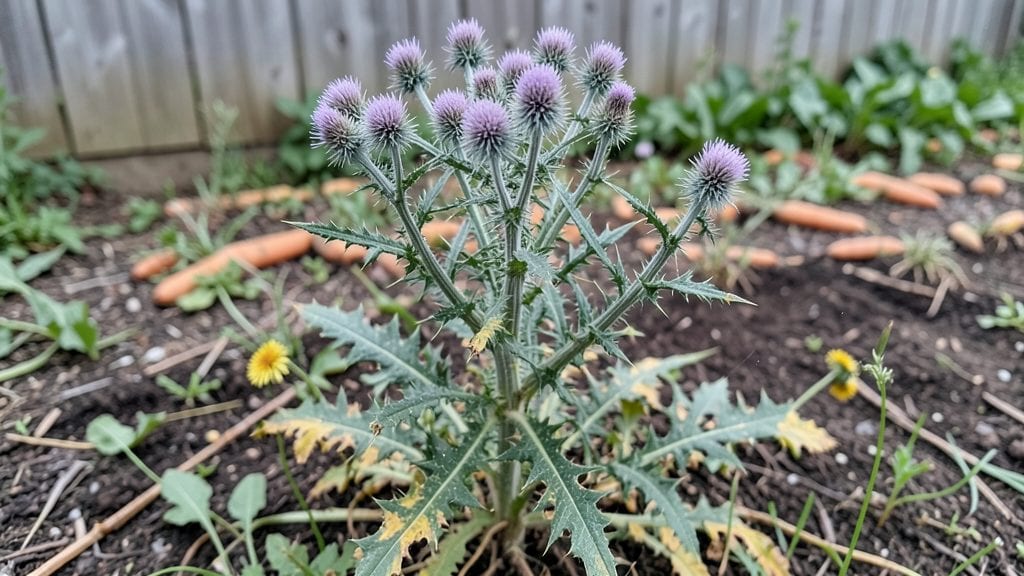
Spiky garden weeds like stinging nettle and thistles turn your yard into a prickly nightmare—until you learn the right way to tackle them. 🌿 I’ve wrestled with these stubborn invaders for years, and the humane methods I’ve perfected actually work without chemicals or endless regrowth.
The key is timing, the right tools, and a little patience.
First, you’ll need long sleeves, gloves, and a sturdy pair of pruners or a weed puller—no bare hands when dealing with these spiky troublemakers. The best time to attack is early spring or fall, when weeds are young and their roots are shallow.
A simple hand-pulling technique works wonders for small patches, while a deep-rooted weed like bindweed might need a digging fork for the full removal.
You’ll be amazed at how quickly your garden transforms when these weeds are gone for good. No more scratching arms or ruined gardening gloves, and your plants will finally have room to thrive. The secret lies in consistency—check your garden weekly, and those spiky pests won’t stand a chance.
Works for any yard, from small flower beds to sprawling vegetable patches. Once you master this method, you’ll wonder why you ever reached for chemicals in the first place.
Root Causes Of Stubborn Weeds
Understanding why spiky intruders like stinging nettles, thistles, or bindweed take over your garden starts with science. These weeds don’t just appear—they thrive because of specific environmental and human-driven factors. Let’s break down the why behind their persistence so you can tackle them smarter, not harder.
Weeds often dominate because they’re better adapted to compacted, nutrient-poor, or overly fertile soil than your desired plants. Here’s how it plays out:
- Compacted Soil: Heavy foot traffic, machinery, or clay-heavy ground crushes soil particles, reducing oxygen and water flow.
Weeds like bindweed and dandelions have deep, invasive roots that thrive in these conditions, while shallow-rooted flowers or veggies struggle. - Actionable fix: Aerate annually with a garden fork or core aerator to loosen soil. Mix in compost or coarse sand to improve drainage.
- Nutrient Imbalance: Over-fertilized soil (especially with high nitrogen) fuels fast-growing weeds like crabgrass or purslane, while under-fertilized soil leaves gaps that weeds rush to fill. - Actionable fix: Test your soil’s pH and nutrients.
Use a balanced, slow-release fertilizer (like 10-10-10) sparingly, focusing on areas where you’re planting, not the entire yard.
- Lack of Organic Matter: Soil without compost or mulch has fewer beneficial microbes and fungi that help plants compete.
Weeds like thistles exploit these weak spots because they’re pioneer species—designed to colonize disturbed or barren ground. - Actionable fix: Top-dress with 2–3 inches of mulch (straw, wood chips, or leaf mold) to block light and retain moisture, starving weeds before they sprout.
Watering habits can accidentally create the perfect storm for spiky weeds. Here’s how:
- Overwatering: Weeds like nettles and chickweed love moisture and will outcompete drought-tolerant plants. Their shallow roots absorb water quickly, while deeper-rooted plants wilt. - Actionable fix: Water deeply but infrequently (1–2 inches per week) to encourage deep root growth in your plants.
Use drip irrigation to target specific areas and avoid soggy patches.
- Underwatering: Paradoxically, dry spells can also trigger weed seeds to germinate in a rush when rain finally comes.
This is why you might see a sudden explosion of goosegrass or spurry after a drought. - Actionable fix: Maintain consistent moisture in garden beds, especially in the first few weeks after planting. Use soaker hoses to keep soil evenly hydrated.
- Poor Drainage: Standing water or clay soil traps weeds like smartweed or water hemlock (a toxic spiky menace).
These species evolved to handle soggy conditions, while your ornamental plants rot. - Actionable fix: Amend heavy soil with perlite or vermiculite, and create swales (shallow trenches) to redirect water away from problem areas.
Weeds are opportunists. Any time you till, dig, or disturb soil, you’re essentially calling their bluff—exposing dormant seeds that have been waiting decades to sprout.
- Tilling: This aerates soil but also brings buried weed seeds to the surface, where they germinate en masse. Perennial weeds like quackgrass or field bindweed can spread via underground rhizomes when tilled. - Actionable fix: Avoid tilling altogether.
Instead, use sheet mulching (layering cardboard + compost) to smother weeds without disrupting the soil ecosystem.
- Construction or Landscaping: Newly turned or graded soil is a weed magnet.
Spiky invaders like musclewood (a type of bramble) or Russian thistle (tumbleweed) seize the chance to establish roots before your plants can. - Actionable fix: Apply a pre-emergent herbicide (like corn gluten meal) to bare soil before planting, or cover with black plastic for 4–6 weeks to solarize the area.
- Thinning or Pruning Gaps: When you remove plants, you create open spaces that weeds like henbit or ground ivy rush to fill.
These gaps let in more light, triggering seed germination. - Actionable fix: Fill gaps immediately with mulch or fast-growing cover crops (like clover) to outcompete weeds. Plant densely to reduce light penetration.
Healthy gardens have a balanced ecosystem where insects, birds, and microbes keep weeds in check. When this balance tips—often due to pesticides or monoculture landscaping—weeds like milkweed or teasel take over unchecked.
- Pesticide Overuse: Broad-spectrum herbicides or insecticides kill beneficial predators (like ladybugs or ground beetles) that eat weed seeds or larvae.
This leaves weeds like lamb’s quarters to flourish without competition. - Actionable fix: Switch to targeted, organic controls (e.g., hand-pulling + neem oil for specific weeds) and encourage pollinators with native plants.
- Monoculture Landscapes: Planting the same species (e.g., a lawn of just Kentucky bluegrass) creates weak spots that weeds exploit.
Spiky weeds like bull thistle thrive in these uniform environments because they’re not competing with diverse plant life. - Actionable fix: Introduce native ground covers (like creeping thyme or clover) to crowd out weeds naturally. Aim for 30%+ plant diversity in garden beds.
- Urbanization: Paved surfaces and reduced green space limit the habitats of weed-eating creatures. In cities, dandelions and plantain dominate because there are fewer birds or insects to control them. - Actionable fix: Create wildlife corridors with native plants and birdhouses to attract weed predators.
Even small changes help!
Pro Tip 💡: Prevention is cheaper than cure—focus on soil health, smart watering, and ecosystem balance to make your garden less inviting to spiky intruders. Once they’re established, removal gets much harder!
Tame Thorny Invaders Naturally
Now that you understand why spiky weeds take over your garden, it’s time to reclaim your space—without harsh chemicals or endless regrowth. Below are targeted solutions for the most common causes, paired with prevention tips to keep your yard lush and weed-free long-term.
Cause: Compacted or nutrient-poor soil lets weeds thrive while crowding out plants. Fix:
- 🔥 Aerate first – Use a garden fork or aerator to break up compacted soil, improving water and nutrient flow.
- 🍳 Add organic matter – Mix in 3–4 inches of compost or well-rotted manure to starve weeds of sunlight and enrich the soil.
- 👨🍳 Plant thick ground covers – Choose fast-spreading, low-maintenance plants like creeping thyme, clover, or sedum to block weed seeds.
- 🥘 Mulch heavily – Apply 4–6 inches of wood chips, straw, or pine needles to smother weeds and retain moisture.
💡 Pro Tip: Test your soil first! A simple pH test (available at garden centers) helps you pick the right amendments—alkaline soil? Add sulfur; acidic? Try lime.
Cause: Overwatering creates the perfect breeding ground for moisture-loving weeds like bindweed or nutsedge. Fix:
- ⏰ Water deeply but less often – Aim for 1–1.5 inches per week (including rain) to encourage deep root growth in plants and deter shallow-rooted weeds.
- 🔪 Fix leaks or overspray – Adjust sprinklers to target plants, not walkways, and repair broken irrigation lines.
- 🌡️ Try drought-tolerant plants – Swap thirsty annuals for lavender, succulents, or ornamental grasses that thrive on less water.
✨ Prevention Hack: Install a rain gauge to track moisture levels—overwatering is the #1 weed magnet!
Cause: Empty patches give weeds a foothold—especially in high-traffic or disturbed areas. Fix:
- 🔪 Hand-pull weeds early – Grab the base of the weed (where roots meet soil) and wiggle to avoid breakage. Best done after rain when soil is soft.
- 🌱 Sow fast-growing seeds – Plant cover crops like buckwheat or microgreens to outpace weeds, or use pre-emergent seed blockers (natural options include corn gluten meal).
- 🎯 Use landscape fabric (temporarily) – Lay biodegradable fabric under mulch in high-weed zones, but remove it after 1–2 years to avoid soil suffocation.
💡 Pro Tip: Mow high! Keeping grass at 3–4 inches shades weed seeds and crowds them out.
Cause: Weeds in pots, cracks, or sidewalks are stubborn but manageable with precision. Fix:
- 🔪 Vinegar + dish soap spray – Mix 1 gallon white vinegar + 1 oz dish soap + 1 cup salt in a spray bottle. Apply on a sunny day to kill weeds instantly (avoid desirable plants!).
- 🌡️ Boiling water treatment – Pour slowly into cracks or container edges to scald roots. Works best for small, localized weeds.
- 🎯 Solarization for paths – Cover weeds with clear plastic sheeting for 4–6 weeks in hot sun to bake them out (great for driveways or patios).
🔥 Warning: Vinegar can harm nearby plants—test on a small area first!
Weeds thrive on bare soil, sunlight, and disturbed ground.
Disrupt their habits with these low-effort strategies: - 🌱 Keep soil covered – Mulch, plants, or even cardboard + compost (for sheet mulching) block light. - 🔄 Rotate planting beds – Avoid replanting the same spot yearly to deplete weed seed banks. - 🧹 Clean tools & shoes – Weed seeds hitchhike! Rinse boots after gardening and sterilize tools with rubbing alcohol. - 🌿 Encourage beneficial insects – Ladybugs and nematodes naturally control weed seeds.
Plant dill, marigolds, or alyssum to attract them.
Final Thought: Weeds are nature’s way of filling gaps—but with the right tools, you can outsmart them! Start with one fix (like mulching or adjusting water), then layer in prevention. Your garden will thank you with less work and more blooms in no time. 🌿✨
Frequently asked questions
Why do spiky weeds seem to come back no matter what I do?
Many spiky weeds like bindweed or thistles have deep roots or spread via underground rhizomes. Pulling only the top leaves leaves the roots intact, so they regrow. Always dig out the entire root system—use a weed fork for stubborn types. For perennials, repeat treatments in spring and fall when growth is active.
What’s the safest way to remove thistles without getting pricked?
Wear thick gardening gloves and long sleeves, then use a long-handled weeding tool to grasp the base. For large patches, smother them with cardboard + mulch for 4-6 weeks—this blocks sunlight and kills roots without direct contact. Never burn thistles, as their seeds can spread via smoke.
Can I use vinegar to kill spiky weeds, and will it harm my plants?
Yes, but with caution! Mix 1 gallon white vinegar + 1 oz dish soap + 1 cup salt and spray directly on weeds on a sunny day. The acid burns foliage, but roots may regrow. For best results, repeat weekly until the plant dies. Always test on a small area first—vinegar can damage nearby plants or soil microbes.
How do I prevent stinging nettles from spreading to other areas?
Stinging nettles spread via seeds and root fragments, so remove them before they flower. Wear gloves to avoid skin irritation, then bag the debris and dispose of it in the trash (not compost). After pulling, apply corn gluten meal as a natural pre-emergent to block new seeds.
Are there any spiky weeds that are actually useful in the garden?
Yes! Milk thistle (not the spiky ornamental type) has edible leaves and medicinal properties, while Russian comfrey (with its prickly stems) is a dynamic accumulator that enriches soil. Always research before keeping—some "useful" weeds can be invasive. For ornamental gardens, consider silver thistle as a drought-tolerant accent.