
Lawn
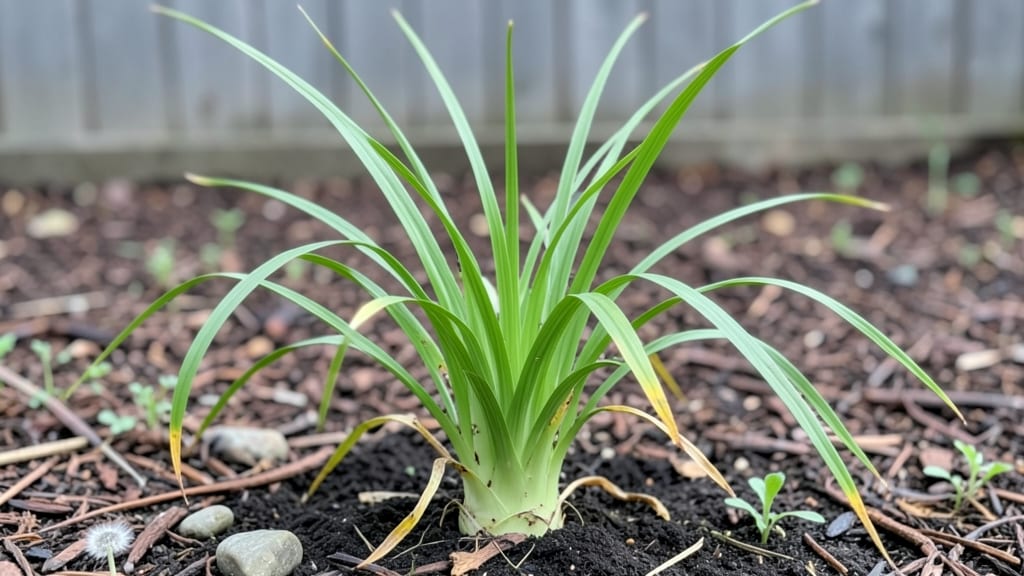
Even in a small lemon grass in the garden, you can coax that zesty, sun-kissed aroma into your life all year—frost be damned. 🌱 I’ve grown it in pots for three summers now, and the secret to keeping it happy isn’t complicated—just match its tropical roots to the right conditions.
The clumping habit means it stays neat, but the rhizomes spread fast, so I divide them every spring to share with neighbors.
You’ll need a container at least 12 inches deep with drainage, well-draining soil mixed with compost, and a spot that gets full sun for at least six hours daily. Watering is the trickiest part—keep the soil consistently moist but never soggy, and use rainwater if possible.
The leaves release that signature lemon scent when crushed, so you’ll know it’s thriving before you even harvest.
Once established, lemon grass grows 3-4 feet tall with bold, arching leaves that look stunning in containers or along patios. It’s frost-sensitive, so bring pots indoors before temperatures drop below 40°F, or treat it as an annual in colder zones.
The first harvest comes in just 2-3 months, and you can snip leaves as needed without harming the plant.
This plant is foolproof for beginners—just avoid overwatering and give it space to grow. With the right care, you’ll have fresh lemon grass for cooking, teas, or even homemade cleaning solutions all season long. The rhizomes even make great gifts for fellow gardeners!
📚 In This Guide
- What you need
- Instructions
- Tips and common mistakes
- Wrapping up and next steps
What you need
- ● Lemon grass plants: 1–3 live plants (potted or bare-root) – Choose healthy stalks with firm, green leaves.
- ● Containers (if not planting in-ground): 1–3 pots, 12–18 inches deep and wide (lemon grass has long roots!).
- ● Material: Terracotta, plastic, or fabric grow bags (ensure drainage holes!).
- ● Potting mix: 5–10 gallons of well-draining, sandy soil mix (or 50% potting soil + 50% perlite/sand).
- ● Tools: Trowel or small shovel (for transplanting).
- ○ Gloves (optional but helpful for handling sharp lemon grass leaves).
- ● Watering can or hose with a gentle spray nozzle.
- ● Slow-release fertilizer (balanced 10-10-10 or organic options like compost).
- ● Mulch (straw or pine needles to retain moisture and suppress weeds).
- ● Sunlight meter or app (to check if your spot gets enough full sun).
- ● Pruning shears (for harvesting or trimming dead leaves).
- ● Support stakes (if growing tall varieties in windy areas).
Step-by-step instructions for growing lemon grass in containers
Here's how to cultivate this fragrant tropical perennial with minimal fuss—ideal for small spaces.
🪴 Step 1: Select and Prepare Containers
Choose 4 large containers (at least 12 inches deep) with drainage holes—lemon grass has thick rhizomes that need room to spread. I use unglazed terra cotta pots because they breathe and prevent root rot, which is lemon grass's biggest enemy. Fill each with 3 gallons of well-draining potting mix mixed with 1 cup perlite to improve aeration.
Tap the pot gently to settle the soil without compacting it. The mix should feel like a damp sponge—not soggy, not powdery. Leave 1 inch of space at the top for watering. If your containers lack drainage, add a 1-inch layer of gravel at the bottom first to prevent waterlogging.
🌱 Step 2: Plant Lemon Grass Corms
Place 1 lemon grass corm (the bulb-like base) in each container, 2 inches below the soil surface. The corm has a flat side—this should face down. Cover it with soil, pressing lightly to ensure good contact but avoiding compaction. I like to water immediately after planting to help settle the soil around the corm.
Space matters here: if you plant multiple corms in one container, keep them 6 inches apart. Lemon grass spreads aggressively, and crowding leads to weak stems and poor air circulation. Water gently until moisture reaches 1 inch deep—you’ll know it’s right when the soil looks evenly damp but not glistening.
☀️ Step 3: Position for Warmth and Light
Lemon grass craves full sun—place your containers in a spot with at least 6-8 hours of direct sunlight daily. A south- or west-facing window or patio works best. If you’re growing indoors, supplement with a grow light kept 6 inches above the plants for 12-14 hours daily. Without enough light, stems stretch weakly and lose their fragrant oils.
Here’s the thing—lemon grass hates cold drafts. Keep temperatures above 55°F at all times. If nights dip below 60°F, move containers indoors or wrap them in burlap for insulation. You’ll notice the leaves yellowing or wilting if it’s too chilly—act fast to adjust.
💧 Step 4: Water and Fertilize for Vigorous Growth
Water deeply once a week, soaking the soil until water drains from the bottom. Lemon grass thrives in moist but not soggy conditions—stick your finger 1 inch into the soil. If it feels dry, water again. Overwatering causes root rot, while underwatering makes the leaves crispy and brittle. I use a watering can with a narrow spout to direct moisture right at the base.
Feed every 4-6 weeks with ½ cup of balanced liquid fertilizer (10-10-10) diluted to half strength. Stop fertilizing in late summer to encourage dormancy if you’re in a cooler climate. You’ll see new growth within 2-3 weeks of feeding—thick, upright stems with vibrant green leaves.
✂️ Step 5: Harvest and Maintain Through Seasons
Harvest stems when they reach 12-18 inches tall, cutting 2-3 inches above the corm. Use a sharp knife to avoid crushing the plant. Regular harvesting encourages bushier growth. After cutting, water deeply to replenish moisture lost during the process. I harvest every 3-4 weeks during the growing season to keep my plants productive.
In fall, if temperatures drop below 50°F, reduce watering and move containers to a bright, cool indoor spot. Lemon grass can go dormant—don’t panic if growth slows. In spring, resume watering and fertilizing as new shoots emerge. With proper care, your plants will thrive for years, producing fresh lemon grass year after year.
Tips & tricks for perfect lemon grass cultivation in containers
Here's what nobody tells you about growing this fragrant tropical plant successfully in containers—details that make all the difference between struggling plants and a thriving harvest.
Container Selection: Unglazed terra cotta pots are my go-to because they wick away excess moisture, preventing the root rot that plagues lemon grass. If you must use plastic, add extra perlite (up to 2 cups per container) to improve drainage. The 12-inch depth requirement is non-negotiable—shallow containers will stunt your plants' growth as their rhizomes search for space to expand. I've seen lemon grass thrive in repurposed whiskey barrels with drainage holes drilled in the bottom.
Temperature Matters: Those 55°F minimum temperatures aren't just suggestions—they're critical for preventing yellowing leaves. I've learned the hard way that even brief exposure to colder temps can shock the plant. For nighttime protection, I wrap containers in burlap when temperatures dip below 60°F. In colder climates, consider using insulated grow bags during winter months to maintain root zone warmth. The key is keeping the rhizomes consistently above 55°F—this is what preserves their ability to produce those fragrant oils.
Lighting Strategy: The 6-8 hours of direct sunlight is your baseline, but quality matters more than quantity. South-facing windows provide the most consistent light, while west-facing windows offer intense afternoon sun that can actually help build those essential oils. For indoor growers, position your grow light 6 inches above the plants and maintain the 12-14 hour cycle religiously—any less and you'll get those telltale leggy stems that lose their fragrance. I've found LED grow lights with a full spectrum (especially those with red and blue wavelengths) work best for lemon grass.
Harvesting Technique: When harvesting those 12-18 inch stems, I always use a sharp chef's knife rather than scissors—it gives me cleaner cuts and prevents crushing the delicate stems. The 2-3 inch stump you leave above the corm is crucial; it protects the growing point while still allowing new shoots to emerge. Pro tip: Harvest in the morning after the dew has evaporated. The oils in lemon grass are most concentrated then, making your harvest more aromatic. I also like to harvest just before using the grass in cooking—this preserves maximum flavor.
Pro Tips for Lemon Grass In The Garden
- Here's what nobody tells you about growing this fragrant tropical plant successfully in containers—details that make all the difference between struggling plants and a thriving harvest.
- Container Selection: Unglazed terra cotta pots are my go-to because they wick away excess moisture, preventing the root rot that plagues lemon grass.
- Temperature Matters: Those 55°F minimum temperatures aren't just suggestions—they're critical for preventing yellowing leaves.
Frequently asked questions
Got questions about growing lemon grass in your garden?
Here are some of the most common queries—and their practical solutions—to help you cultivate this fragrant tropical plant with confidence.
How do I know when my lemon grass is ready to harvest?
Lemon grass is ready to harvest when the stalks are about 12–18 inches tall and the lower leaves have turned brown and dried out. The tender, pale green inner stalks are the best part to use—simply trim them just above the bulbous base. For a continuous harvest, leave at least 3–4 stalks per clump to regrow.
Can lemon grass survive winter in cold climates?
Lemon grass is not frost-tolerant and will die back in temperatures below 20°F (-7°C). In colder zones, grow it in containers and move them indoors or to a greenhouse before winter. Alternatively, dig up the rhizomes, trim them, and store them in a cool, dry place (like a paper bag in the fridge) until spring.
What’s the best way to propagate lemon grass?
Propagating lemon grass is easy! Simply divide the clumps when they’re crowded (usually every 1–2 years). Gently separate the rhizomes, ensuring each piece has 2–3 stalks and roots. Replant them in well-draining soil, water lightly, and keep them in partial shade until established. You can also grow from seeds, but it takes longer.
Why is my lemon grass turning yellow or dying?
Yellowing or dying lemon grass is often caused by overwatering, poor drainage, or pests. Ensure the soil is moist but not soggy and the pot has drainage holes. Check for aphids or mites on the undersides of leaves—spray with neem oil if needed. If the plant is root-bound, repot it in fresh, well-draining soil to revive growth.
Can I grow lemon grass alongside other herbs or vegetables?
Yes! Lemon grass is companion-friendly and pairs well with basil, mint, cilantro, and chili peppers. However, avoid planting it near citrus trees (it can attract pests) or strongly aromatic herbs like rosemary, which may compete for nutrients. For container gardening, mix it with shallots, lettuce, or strawberries—just ensure all plants thrive in similar moist, well-draining conditions.
Wrapping up and next steps
Growing lemon grass in your garden isn’t just a rewarding hobby—it’s a fragrant, versatile addition that brings tropical charm to even the smallest spaces! Whether you’re using it for cooking, natural remedies, or simply admiring its lush foliage, this hardy perennial proves that big flavors grow in small pots.
Now that you’ve got the know-how, why not plant your first stalk today and enjoy the fresh, citrusy aroma it brings to your outdoor (and indoor!) life?
Ready to take the next step? Start small—try a single container, experiment with companion plants, or even share your harvest with friends. Your garden (and taste buds) will thank you! 🌿✨