
Tools
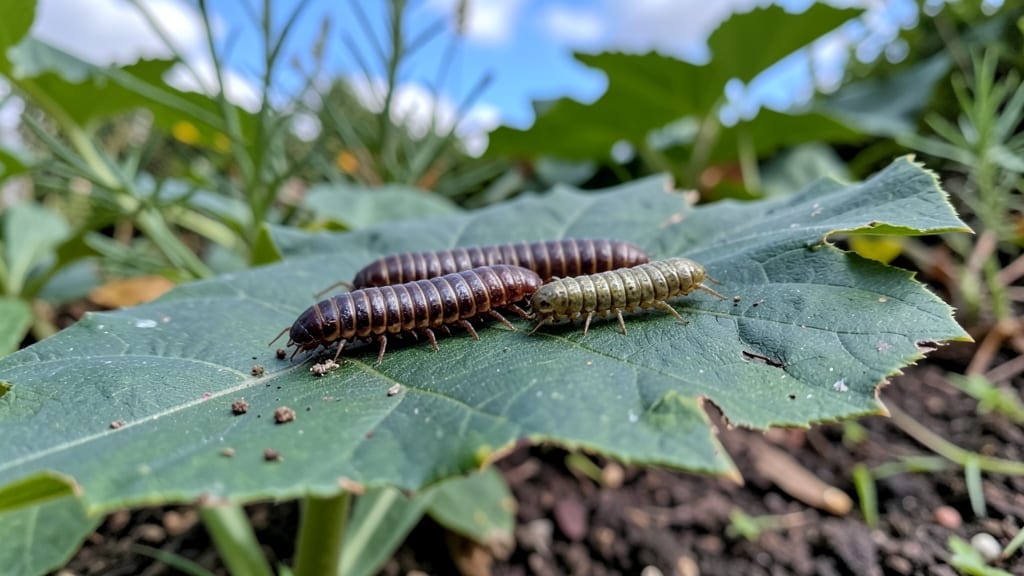
Centipedes in your garden aren’t just creepy—they’re actually helpful predators that hunt pests like slugs and roaches. 🌱 I used to panic when I spotted them, but after learning their role in the ecosystem, I started protecting them instead of chasing them away.
The key is keeping their populations balanced so they don’t become a nuisance.
These fast-moving creatures thrive in damp, cluttered areas, so the first step is reducing their hiding spots. Clear away debris, improve drainage, and avoid overwatering—centipedes need moisture, but soggy soil attracts too many of them.
A simple humane trap (like a shallow dish of soapy water) can catch stragglers without harming them or your garden’s natural balance.
You’ll notice fewer slugs and soft-bodied insects after implementing these changes, thanks to the centipedes’ appetite for pests. The goal isn’t to eliminate them entirely but to create a garden where they coexist without overrunning your space. With the right approach, they’ll keep working for you instead of against you.
This method works year-round, whether you’re dealing with a sudden infestation or just want to prevent one. The best part? You’re not relying on harsh chemicals—just smart garden maintenance. Let’s get your yard back in harmony with these beneficial hunters.
The Hidden Drawbacks Inviting Them In
Centipedes aren’t just random visitors—they’re drawn to your garden by specific conditions that make it an ideal home. Understanding these triggers is the first step to keeping them at bay without harsh chemicals. Here’s why your garden might be rolling out the welcome mat for these many-legged guests.
Centipedes thrive in damp, humid environments, and gardens with high moisture levels or rotting plant debris are like all-you-can-eat buffets for them. Their exoskeletons require hydration, and they’re often found under logs, mulch piles, or in soil that stays soggy after rain.
Even well-drained gardens can attract them if there’s a hidden pocket of moisture—like a buried stump or a buried trash can leaking liquids.
- Why it matters: Moisture attracts not just centipedes but also their prey (like slugs and insects), creating a self-sustaining ecosystem in your garden.
- Actionable fix:
- Improve drainage by amending soil with compost or sand if it’s clay-heavy.
- Remove rotting wood, leaf litter, and dense mulch from problem areas.
- Store firewood elevated and off the ground to prevent moisture buildup.
Centipedes are carnivorous predators, and if your garden is teeming with their favorite snacks—like earthworms, slugs, spiders, or even small insects—they’ll stick around. A garden with poor pest control or one that’s overrun with decomposing matter (e.g., fallen fruit, dead plants) signals an easy meal.
Even compost piles can become centipede hotspots if they’re too damp or poorly managed.
| Common Prey | Why They’re Attracting Centipedes |
|---|---|
| Earthworms | Centipedes hunt them at night when soil is moist. |
| Slugs & Snails | Both thrive in damp areas—centipedes see them as easy targets. |
| Spiders & Pill Bugs | Centipedes compete with spiders for territory and food. |
| Rotting Fruit/Vegetables | Decay attracts insects, which in turn attract centipedes. |
Pro Tip: 💡 If you’ve noticed more centipedes after adding a compost bin, it’s not the compost itself—it’s the moisture and insect activity around it. Turn compost regularly and keep it dry enough to crumble.
Centipedes are nocturnal and shy, meaning they avoid sunlight and seek shelter in dark, cool, and undisturbed spaces. Common hiding spots include:
- Under rocks, bricks, or garden decorations.
- Inside wooden planters, pots, or even tool sheds.
- Behind mulch, bark, or dense ground cover.
- In cracks in patios, walkways, or foundation gaps.
If your garden has lots of clutter or unmaintained areas, centipedes will treat it like a luxury hotel.
Actionable fix:
- 🔥 Declutter regularly: Remove leaves, debris, and old plant material from under structures.
- 🏗️ Seal gaps: Use caulk or weather stripping on cracks in sheds, patios, or foundation.
- 🌞 Encourage sunlight: Prune overgrown plants to let light reach the soil surface.
Centipedes are more active in warm, humid seasons (spring through fall) and retreat underground or into sheltered spots during freezing winters. However, certain climates or seasonal changes can accelerate their presence:
- Heavy rainfall: Saturates soil, making it easier for centipedes to move and hunt.
- Drought followed by sudden rain: Forces centipedes out of dry hiding spots in search of moisture.
- Mild winters: Prevents natural population control (predators/freezing).
- High humidity: Keeps their exoskeletons hydrated year-round.
What to do:
- ✨ Monitor weather patterns: If your area is prone to flash flooding, improve drainage before centipedes move in.
- 🌡️ Use mulch wisely: In dry climates, opt for gravel or straw instead of thick organic mulch to reduce moisture retention.
By addressing these root causes, you’re not just chasing centipedes away—you’re making your garden less inviting for them in the first place. The key is balance: keep moisture and prey in check while ensuring their favorite hiding spots are sunlit and dry.
Natural Ways to Outsmart Garden Centipedes
Centipedes may seem like unwelcome guests in your garden, but with the right strategies, you can manage—and even deter—them without harming your plants or the local ecosystem. Below are practical, humane solutions tailored to common causes of centipede infestations, from damp soil to hiding spots.
Each fix includes prevention tips to keep your garden centipede-free long-term.
Centipedes thrive in damp, shaded areas where moisture lingers. If your garden feels like a swamp, they’ll stick around.
Fix:
- 🔥 Improve Drainage – Rake soil to break up compacted areas and add a 1-inch layer of gravel or coarse sand in problem spots. This helps water drain faster.
- ☀️ Increase Sunlight – Trim overgrown plants or shrubs to let sunlight hit the soil. Centipedes avoid dry, sunny areas.
- 💧 Water Smartly – Water early in the day so soil has time to dry. Avoid overwatering, especially around foundations or mulch piles.
✨ Prevention Tip: Use drip irrigation instead of sprinklers to keep soil evenly moist without creating puddles.
Centipedes love hiding under decaying leaves, wood piles, and dense mulch—perfect for hunting and nesting.
Fix:
- 🧹 Remove Hiding Spots – Clear away leaf litter, old mulch, and fallen branches. Store firewood at least 20 feet away from your home.
- 🪴 Use Decorative Rocks – Scatter crushed granite or pea gravel in shaded areas. Centipedes dislike crawling over rough surfaces.
- 🕷️ Encourage Predators – Birds, frogs, and ground beetles eat centipedes. Leave some bare soil or install a small birdbath to attract helpers.
💡 Pro Tip: If you must mulch, opt for cedar or cypress chips—their natural oils repel centipedes better than pine or oak.
Centipedes sneak in through tiny gaps in foundations, vents, or cracks in walls—especially if your garden is their buffet.
Fix:
- 🔧 Seal Gaps – Use caulk or steel wool to close cracks in your home’s exterior, around doors, and under sinks.
- 🪟 Install Door Sweeps – A simple weatherstripping sweep can block centipedes from crawling indoors.
- 🌿 Create a Barrier – Sprinkle diatomaceous earth (food-grade) or crushed eggshells along foundations. These irritate their exoskeletons without killing them.
⚠️ Caution: Avoid chemical pesticides—they harm beneficial insects and can seep into soil.
Dense foliage and tall grass give centipedes cover and shelter, making them harder to spot and remove.
Fix:
- ✂️ Mow Regularly – Keep grass 3–4 inches tall to reduce hiding spots. Use a string trimmer for edges.
- 🌳 Prune Smartly – Trim bushes and vines away from your home’s exterior. Aim for 6–12 inches of clearance.
- 🌻 Plant Repellents – Some plants deter centipedes naturally:
- Lavender (strong scent)
- Mint (crush leaves near entry points)
- Marigolds (deter pests)
🎯 Prevention Tip: Plant cloves or garlic near problem areas—their smell confuses centipedes.
If you’ve spotted centipedes indoors or near your home, traps are a safer alternative to killing them.
Fix:
- 🍎 Apple Cider Vinegar Trap
- Mix 1 part vinegar + 1 part water in a shallow dish.
- Place near entry points. Centipedes are drawn to the smell but won’t drown—just relocate them outside.
- 🧊 Ice Cube Relocation
- Place centipedes in a cooled container (not frozen) and release them far from your home (at least 50 feet away).
- 🕸️ Sticky Traps (Last Resort)
- Use yellow sticky traps near foundations. Check daily and release live centipedes outside.
🔥 Quick Fix: For immediate removal, gently scoop centipedes with a cup and broom, then release them in a wooded area.
Final Thought: Centipedes play a role in your garden’s ecosystem—they eat pests like slugs and spiders. Instead of eradicating them, focus on reducing their appeal with dry soil, clean spaces, and smart landscaping.
With these humane, long-term fixes, your garden will stay centipede-friendly while keeping them where they belong—outside your home.
Frequently asked questions about garden centipedes
Are centipedes actually harmful to my garden?
Most centipedes are beneficial predators that hunt garden pests like slugs, snails, and soft-bodied insects. Their presence usually means your garden has a healthy balance of predators and prey. However, large infestations can become overwhelming, especially if they start preying on beneficial insects like bees or ladybugs.
Why do I keep seeing centipedes after trying to get rid of them?
Centipedes are hardy survivors and will return if their preferred conditions remain. If your garden stays damp, cluttered, or has plenty of hiding spots (like dense mulch or wood piles), they’ll keep coming back. Focus on long-term fixes like improving drainage, reducing moisture, and removing shelter rather than quick fixes.
Can centipedes bite humans, and are they dangerous?
While centipedes can deliver a painful bite (similar to a bee sting), they rarely cause serious harm to humans. Their venom is designed for small prey, not people. Most bites feel like a sharp pinch and may cause mild swelling or redness. If you’re bitten, clean the area and apply ice to reduce discomfort.
What’s the best way to safely relocate centipedes from my garden?
Use a humane approach like the "ice cube method": Place the centipede in a cooled container (not frozen) and release it at least 50 feet away from your home in a wooded or grassy area. Avoid crushing or killing them—centipedes are natural pest controllers and help maintain garden balance.
Will diatomaceous earth or other natural repellents really work?
Yes! Food-grade diatomaceous earth and crushed eggshells can irritate centipedes’ exoskeletons, encouraging them to leave. For best results, apply a thin layer along foundations, mulch edges, or entry points. Reapply after rain, as moisture reduces its effectiveness. Combine it with reducing hiding spots for maximum impact.