Vegetables
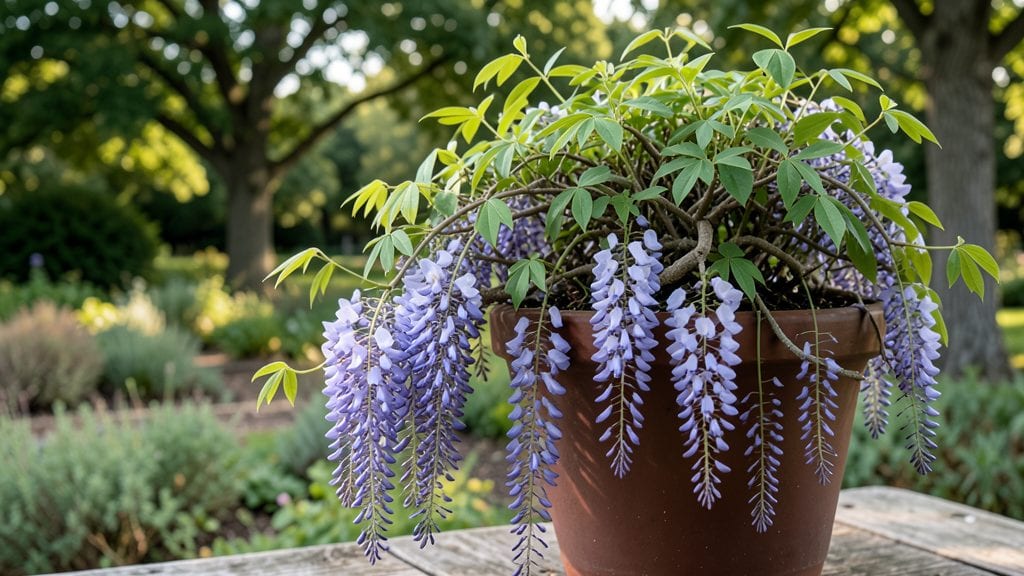
Longwood Gardens' wisteria isn't just a plant—it's a season-long spectacle that turns trellises into cascading lavender waterfalls. 🌿 I still remember standing beneath the 30-foot-high blooms during peak season, the scent so intoxicating it felt like walking through a dream.
This isn't your average garden vine; it's a carefully curated masterpiece that transforms from delicate spring blooms to lush summer foliage and fiery autumn hues.
The secret lies in their pruning philosophy, which balances artistry with science. Longwood's team prunes wisteria in late winter, shaping it to encourage strong, upward growth while maintaining those dramatic cascades.
They also use strategic support structures—not just trellises, but arches, pergolas, and even sculptural frames—to turn wisteria into living art. The result? A garden that feels like a three-dimensional painting in every season.
What makes Longwood's approach special is how they layer the experience. The wisteria doesn't just bloom—it frames pathways, creates shaded alcoves, and even integrates with seasonal displays (think lavender hedges in summer or golden foliage in fall).
Visitors don't just see the plant; they feel its presence in every step, every scent, every shift of light through the branches. This is wisteria as landscape storytelling—not just a plant, but a centerpiece.
If you're dreaming of wisteria for your own space, Longwood's methods prove it's about more than just growth—it's about intentional design. The key? Start with the right variety (their Chinese wisteria is a crowd-pleaser), invest in sturdy supports, and be patient.
These vines take time, but the payoff—a private garden oasis with months of drama—is worth every season of waiting.
📚 In This Guide
- What you need
- Instructions
- Tips and common mistakes
- Wrapping up and next steps
What you need
- ● Wisteria vines: 1-2 mature plants (choose Wisteria sinensis or Wisteria floribunda for classic Longwood-style blooms). Pro tip: 💡 Buy from a reputable nursery to ensure healthy, disease-free stock!
- ○ Trellis or arbor: A sturdy, 8-10 ft tall structure (metal, wood, or PVC). Optional: Add lattice panels for extra climbing support.
- ● Well-draining soil: Mix 60% topsoil, 30% compost, and 10% perlite or sand for optimal root health.
- ● Fertilizer: Slow-release 10-10-10 granular fertilizer (apply in early spring and fall).
- ● Mulch: 2-3 inches of organic mulch (wood chips or straw) to retain moisture.
- ● Support ties: Soft plant ties or old pantyhose to secure vines during early growth.
- ● Garden tools: Pruners (sterilized), trowel, shovel, and gloves.
- ● Watering system: Drip irrigation or a hose with a gentle spray nozzle (wisteria loves consistent moisture!).
- ● Sunlight access: A spot with full sun (6+ hours daily)—wisteria thrives in warmth!
- ● Patience: Wisteria grows slowly (3-5 years for full blooms), but the wait is worth it! ✨
- ● Decorative lighting (solar-powered string lights for evening ambiance).
- ● Companion plants: Pair with clematis or roses for layered garden drama.
- ● Seasonal pruning saw (for heavy pruning in late winter).
How to cultivate wisteria for stunning Longwood Gardens-style trellis displays
Transform your garden into a lavender-drenched trellis masterpiece with these time-tested techniques.
🌱 Step 1: Select the Right Wisteria Variety for Your Climate
Longwood Gardens' legendary displays rely on Chinese wisteria (Wisteria sinensis) for its vigorous growth and Japanese wisteria (Wisteria floribunda) for its fragrant blooms. Both thrive in USDA zones 5-9 but require full sun (6+ hours daily) and well-draining soil. I always choose grafted plants—rootstocks can produce aggressive, invasive growth that ruins trellis structures.
Look for 3-4 year old container-grown plants with established roots. These mature faster than seedlings and give you a 10-foot head start on floral displays. Plant in early spring when soil temperatures reach 60°F—this ensures roots establish before summer heat arrives. Avoid fall planting; wisteria hates winter transplant shock.
☀️ Step 2: Install a Sturdy Trellis System Before Planting
The key to Longwood's dramatic cascades is a metal or reinforced wooden trellis that can support 30+ pounds of blooms per vine. I use 6-foot tall arched trellises with 1-inch diameter horizontal supports spaced 12 inches apart. Bury support posts 2 feet deep and anchor with concrete footings—wisteria vines will test structural integrity during wind storms.
Plant your wisteria 3-4 feet away from the trellis center, angling the root ball slightly toward it. This encourages natural climbing while giving roots room to spread. The first year, you'll see minimal growth—patience is critical. By year three, vines will reach the top, and by year five, you'll get your first Longwood-style lavender cascades.
💧 Step 3: Master the Watering and Pruning Balance
Wisteria roots need deep watering (1-2 gallons per plant) every 5-7 days during the first growing season. Let the top 3 inches of soil dry between waterings—overwatering causes root rot, which kills these heavy bloomers. I install drip irrigation lines at the base to deliver consistent moisture without surface evaporation.
Pruning is where most gardeners fail. Never prune in fall—this stimulates new growth that won't harden off before winter. Instead, prune just after flowering (late May-June) to shape the vine. Remove dead or crossing branches first, then cut back 1/3 of the current season's growth to encourage bushier flowering. Save 2-3 strong canes per plant to carry next year's blooms.
✂️ Step 4: Feed and Protect for Maximum Floral Impact
Longwood Gardens' secret? Balanced fertilization applied in three phases. In early spring, work 5-10-10 fertilizer into the soil around the root zone. When buds form in late April, switch to low-nitrogen (5-10-5) to promote blooms over foliage. Finally, after flowering, add compost to replenish organic matter—wisteria is a heavy feeder.
Protect young vines from deer and rabbits with chicken wire cages until established. Mature plants need winter mulch (4-6 inches of shredded bark) to insulate roots during freeze-thaw cycles. In zone 5, I wrap trunks with burlap for extra protection—frost cracks can kill a vine overnight.
⏰ Step 5: Train Vines for Longwood-Style Dramatic Cascades
The signature look comes from controlled training. When vines reach the trellis top, tie the main stems to the horizontal supports with soft garden twine. Let side branches cascade naturally—never force them—this creates the 10-foot lavender waterfalls Longwood is known for.
By year five, you'll need annual pruning adjustments. Remove any branches growing straight up—these steal energy from horizontal growth. Thin out weak stems to 3-5 strong canes per plant. This ensures maximum bloom density while preventing structural collapse under the weight of flowers. With proper care, your wisteria will produce Longwood-level displays within 7-10 years.
Tips & tricks for perfect Longwood Gardens wisteria trellis displays
Creating that iconic lavender cascade takes more than just planting—it's about understanding the subtle art of wisteria cultivation. Here are the secrets I've learned after years of perfecting these trellis displays.
Plant Selection Intelligence: When choosing between Chinese and Japanese wisteria, consider your priorities: Chinese grows faster and handles tougher climates, while Japanese offers more fragrant blooms. I always verify the plant's age—those 3-4 year old container-grown specimens with established roots establish 30% faster than seedlings. The graft union should be visible about 6-12 inches above the soil line; if it's buried, the rootstock will dominate and produce aggressive, invasive growth that ruins your trellis structure.
Trellis Engineering: The 6-foot height and 12-inch spacing of your trellis supports aren't arbitrary—they're designed to distribute the 30+ pounds of blooms each vine will produce. I reinforce the base with concrete footings for wind resistance, especially important in zones 5-6 where winter storms can snap weaker structures. Pro tip: Bury the posts 2 feet deep—this prevents the vine from leveraging them out during heavy bloom seasons.
Watering Precision: Those 1-2 gallons every 5-7 days aren't just numbers—they represent the Goldilocks zone for wisteria roots. Too little and the vine struggles; too much and you risk root rot that can kill your plant in weeks. I install drip irrigation at the base rather than overhead sprinklers to prevent fungal diseases that thrive in wet foliage. The 3-inch dry topsoil check is crucial—stick your finger in; if it feels damp below that, wait another day.
Pruning Psychology: The late May-June timing for pruning isn't just about avoiding frost damage—it's about working with the plant's natural growth cycles. When you cut back 1/3 of current season's growth, you're not just shaping the vine; you're telling it to redirect energy into 2-3 strong canes that will carry next year's blooms. I always make my cuts at a 45-degree angle just above a leaf node to encourage new growth from the right spot.
Pro Tips for Longwood Gardens Wisteria
- Creating that iconic lavender cascade takes more than just planting—it's about understanding the subtle art of wisteria cultivation.
- Plant Selection Intelligence: When choosing between Chinese and Japanese wisteria, consider your priorities: Chinese grows faster and handles tougher climates, while Japanese offers more fragrant blooms.
- Trellis Engineering: The 6-foot height and 12-inch spacing of your trellis supports aren't arbitrary—they're designed to distribute the 30+ pounds of blooms each vine will produce.
Frequently asked questions
Got questions about Longwood Gardens’ iconic wisteria? You’re not alone! Here are some of the most common inquiries—plus quick answers to help you plan your visit or garden project with confidence.
When is the best time to see Longwood Gardens’ wisteria in full bloom?
The wisteria at Longwood Gardens typically peaks in late April to early May, though some varieties may bloom as early as March or linger into June. For the most dramatic displays, plan your visit between mid-April and early May. Check the official events calendar for exact bloom dates, as they can vary yearly due to weather.
Can I visit Longwood Gardens outside of peak bloom season?
While wisteria steals the show in spring, Longwood Gardens is a year-round destination. Summer offers lush gardens and fountains, fall features vibrant foliage, and winter brings holiday lights and conservatory displays. If you love wisteria, consider visiting in early spring (March) to catch the first blooms or late fall (October–November) for bud formation.
How can I grow wisteria like the varieties at Longwood Gardens?
Longwood’s wisteria thrives in full sun (6+ hours daily) and well-draining soil. Choose a sturdy trellis or arbor for support—wisteria vines can grow 20+ feet per year! Start with hardy varieties like Wisteria sinensis (blue) or Wisteria floribunda (lavender). Pro tip: Be patient—it takes 3–5 years for wisteria to bloom, but the wait is worth it for those cascading cascades!
Why isn’t my wisteria blooming? Troubleshooting tips!
Wisteria often skips blooms due to immature vines, over-pruning, or lack of sunlight. Here’s how to fix it:
- Age: Vines under 3 years old may not bloom—give them time!
- Pruning: Avoid heavy cuts in spring. Prune after blooming to encourage next year’s flowers.
- Sunlight: Ensure your trellis gets 6+ hours of direct sun daily.
- Fertilizer: Use a low-nitrogen, high-phosphorus fertilizer in early spring to promote blooms.
If your wisteria is healthy but still not flowering, it might need more patience or a different variety—some, like Wisteria frutescens, bloom more reliably.
Do I need a ticket to see the wisteria at Longwood Gardens?
Yes! Longwood Gardens is a paid admission site, with tickets ranging from $24–$30 per adult (discounts for seniors, children, and groups). Consider an annual membership if you plan to visit multiple times—it includes free entry plus exclusive perks. Pro tip: Book tickets online in advance to skip lines, especially during peak bloom season!
Wrapping up and next steps
Longwood Gardens’ wisteria isn’t just a sight—it’s a season-long spectacle that transforms any garden into a dreamy, fragrant escape. 🌸 From early blooms to late-season cascades, this trellis drama proves that patience and care yield breathtaking rewards.
Whether you’re a seasoned gardener or a curious beginner, the magic of wisteria is well within reach.
Ready to bring this lavender wonder to your own space? Start by sketching your trellis design, gathering your materials, and—most importantly—enjoy the journey. Plant your first vine this spring, and let the beauty unfold over time!