
Pests and Diseases
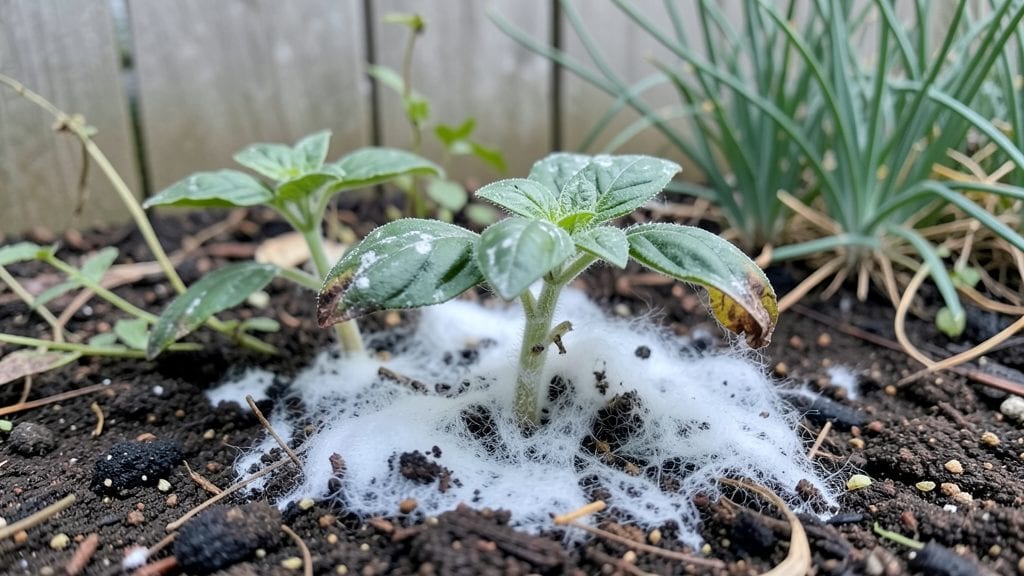
Garden mold isn’t just unsightly—it’s a silent thief that smothers roots and stunts plants before you even notice. 🌱 I’ve battled black spot on my hostas and fuzzy mold on compost piles, and I’ve learned the humane traps that stop fungal growth without harsh chemicals.
The key isn’t scrubbing or spraying; it’s outsmarting the mold with simple, eco-friendly tweaks that work faster than you’d expect.
Most mold thrives on three things: too much moisture, stagnant air, and decaying matter left to rot. My first breakthrough came when I swapped my heavy mulch for a lighter straw layer—it let air circulate while still keeping weeds down.
A quick fix for existing mold? Sprinkle baking soda around the base of plants (just a handful per square foot), and it disrupts the fungal cycle without harming your soil or pollinators.
You’ll see the difference within days: no more slimy patches on leaves, no more musty compost piles, and plants that grow strong instead of struggling. The best part?
These methods work for everything from potted herbs to sprawling vegetable beds. No more guessing—just science-backed, gentle solutions that keep your garden thriving without the chemical cleanup.
Here’s the game-changer: the same principles apply whether you’re dealing with a damp corner of your yard or a greenhouse that won’t dry out. Let’s turn that moldy mess into a memory—and keep your garden looking (and growing) its best all season long.
The Hidden Triggers Behind Fungal Growth
Mold in your garden isn’t just an eyesore—it’s a silent signal that your outdoor space is playing host to ideal conditions for fungal growth. Understanding why mold thrives is the first step to outsmarting it.
Below, we break down the science-backed causes, so you can address the root issues with precision.
Mold spores need moisture to germinate, and gardens often become soggy playgrounds for fungi due to:
- Poor Drainage: Compacted soil, clay-heavy ground, or sloped areas trap water instead of letting it drain. Even a slight dip in your yard can turn into a mold hotspot after rain.
- Overwatering: While plants need hydration, too much water keeps organic matter (like mulch or leaves) damp for days. A general rule: Water deeply but infrequently—aim for 1–1.5 inches per week, including rainfall.
- Lack of Airflow: Dense foliage, tall grasses, or tightly packed mulch create a greenhouse effect, trapping humidity. Fungi like Rhizoctonia or Phytophthora thrive in these stagnant zones.
💡 Pro Tip: Test your soil’s drainage by digging a 12-inch hole, filling it with water, and timing how long it takes to drain. If it’s slower than 4 hours, amend with compost or sand.
Decaying plant material is mold’s all-you-can-eat feast. Common culprits include:
- Leaves and Grass Clippings: A thick layer of unraked leaves (especially wet ones) creates the perfect microclimate for mold. These materials break down slowly, staying damp and warm—ideal for Alternaria or Botrytis.
- Old Mulch or Wood Chips: Over time, mulch compacts and retains moisture. If it’s not at least 2–3 inches away from plant stems, it can smother roots and encourage fungal growth.
- Compost Piles Gone Rogue: While composting is great, overly wet piles (or those lacking oxygen) turn anaerobic, producing heat and moisture that mold loves.
🔥 Action Step: Clear debris before it becomes a problem—rake leaves weekly, shred mulch annually, and turn compost piles every 1–2 weeks for airflow.
Fungi are not picky about seasons—they just need the right conditions. Here’s how climate plays a role:
| Factor | Mold’s Sweet Spot | How to Disrupt It |
|---|---|---|
| Temperature | 60–80°F (15–27°C). Cooler temps (50–60°F) slow growth, but not stop it. | Use reflective mulch (like straw) to reduce soil heat in summer or row covers in winter to limit moisture buildup. |
| Humidity | Above 60%. Dew, fog, or even morning condensation can keep spores active for days. | Prune plants for better airflow and avoid watering in the evening (let foliage dry by nightfall). |
| Rainfall Patterns | Consistent drizzle or heavy downpours without dry spells. Spores hitchhike on raindrops! | Install swales or berms to redirect water away from garden beds. |
✨ Science Note: Some molds (like Powdery Mildew) actually prefer high humidity and warm nights—common in late summer. This is why you might see outbreaks after a heatwave.
Stressed plants are magnets for mold because their weakened defenses make them vulnerable to fungal infections. Common stressors include:
- Nutrient Deficiencies: Lack of nitrogen, phosphorus, or potassium weakens cell walls, making plants easier targets for pathogens like Fusarium.
- Pests or Disease: Chewed leaves or viral damage create entry points for mold spores. For example, aphid-infested roses often develop black spot mold.
- Transplant Shock: Newly planted shrubs or veggies with disturbed roots struggle to establish, leaving them susceptible to soil-borne fungi for weeks.
🎯 Prevention Tip: Boost plant resilience with compost tea (rich in beneficial microbes) or mycorrhizal fungi—these outcompete harmful molds for resources.
Now that you know why mold moves in, the next step is smart removal tactics that keep your garden and the local ecosystem safe. No harsh chemicals required!
Outsmarting Fungal Growth Naturally
Fungal spores lurking in your garden may seem like an unstoppable force, but with the right strategies, you can reclaim your green space—without harsh chemicals. Below, we’ve mapped the most common causes of mold in gardens to practical, eco-friendly fixes, plus prevention tips to keep it from returning.
Think of this as your battle plan against fuzzy invaders!
Cause: Overwatering, poor drainage, or heavy shade traps moisture, creating the perfect mold buffet. Solution:
- 👨🍳 Improve Drainage: Amend heavy soil with compost or perlite to help water drain faster. For containers, add drainage holes if missing.
- 🌡️ Adjust Watering: Water deeply but less frequently—aim for 1 inch per week (including rain). Water in the morning so soil dries by night.
- ✨ Boost Airflow: Thin out dense plantings and prune overgrown foliage to let sunlight and air circulate.
💡 Pro Tip: Mulch with straw or pine needles (not wood chips)—they repel moisture better than traditional mulch.
Cause: Fallen leaves, grass clippings, or dead plants pile up, smothering soil and trapping humidity. Solution:
- 🔪 Remove Debris: Rake up leaves, weeds, and plant waste weekly (especially after storms). Compost them only if they’re dry.
- 🌿 Mulch Smartly: Use gravel or rubber mulch in shady areas to prevent organic buildup.
- 🌡️ Dry It Out: If you must compost on-site, keep piles small and aerated (turn them monthly).
💡 Pro Tip: A leaf blower on low setting can quickly clear debris without damaging plants.
Cause: Low light and stagnant air (like under decks or dense shrubs) slow evaporation, feeding mold. Solution:
- 🌞 Add Light: Trim back tall plants or trees to let sunlight reach the ground. Consider reflective surfaces (like white pebbles) to bounce light into dark corners.
- 🍳 Install a Fan: A low-voltage solar fan on a timer can improve airflow in stubborn spots.
- 🌿 Choose Mold-Resistant Plants: Swap susceptible plants (like hostas or ferns) for drought-tolerant or upright varieties (e.g., lavender, sedum, or ornamental grasses).
💡 Pro Tip: Baking soda spray (1 tbsp per gallon of water) can kill surface mold on leaves—just spray in the early morning.
Cause: Plants too close together create a humid microclimate where spores thrive. Solution:
- 📏 Follow Spacing Guidelines: Check seed packets or plant tags for minimum spacing—don’t crowd!
- 🌱 Thin Seedlings: If seedlings are packed in, gently remove extras to give roots room to breathe.
- 🌿 Prune Strategically: Trim branches that block airflow, especially in tomatoes, peppers, and cucumbers.
💡 Pro Tip: Drip irrigation (instead of overhead watering) keeps foliage dry and reduces humidity.
Cause: Old mulch, wood chips, or treated lumber can leach chemicals that encourage mold. Solution:
- 🔄 Replace Old Mulch: If your mulch is older than 1–2 years, remove and replace it with fresh, untreated options.
- 🌿 Test Your Soil: Use a DIY pH test kit—mold loves acidic soil (pH <6.0). Add lime to raise pH if needed.
- 🍳 Natural Fungicides: Mix 1 cup hydrogen peroxide (3%) + 1 gallon water in a spray bottle and apply to affected areas.
💡 Pro Tip: Neem oil spray (1 tbsp neem oil + 1 tsp mild soap per quart of water) is a preventative powerhouse—spray every 2 weeks during humid months.
To keep mold from staging a comeback: ✅ Inspect weekly for early signs (fuzzy spots, musty smells). ✅ Water at the base of plants, not overhead. ✅ Rotate crops yearly to disrupt mold buildup in soil. ✅ Store tools and pots in a dry place to avoid cross-contamination. ✅ Plant mold-resistant varieties like rosemary, thyme, or marigolds as natural deterrents.
Remember: Mold doesn’t stand a chance when your garden is dry, sunny, and well-aerated. Start with one fix today—your plants (and your lungs) will thank you! 🌱✨
Frequently asked questions
What’s the fastest way to remove mold from garden soil?
For small areas, mix 1 cup hydrogen peroxide (3%) with 1 gallon of water and spray directly on the soil. Let it sit for 30 minutes before watering normally. For larger patches, top with a 1-inch layer of dry sand or perlite to absorb excess moisture and disrupt fungal growth. Repeat weekly until the mold clears.
Can I use vinegar to kill mold in my garden?
Yes! Mix 1 part white vinegar with 3 parts water in a spray bottle and apply to affected areas. Vinegar’s acidity kills spores on contact, but it won’t penetrate deep into soil. Reapply after rain. For plants, test a small leaf first—vinegar can burn tender foliage.
Why does my compost pile keep getting moldy?
Mold in compost usually means your pile is too wet or compacted. Fix it by turning the pile every 1–2 weeks to add oxygen, and mix in dry browns (like shredded leaves or cardboard) to balance moisture. Keep piles no larger than 3x3x3 feet for proper airflow.
Are there plants that naturally repel mold?
Plant rosemary, thyme, marigolds, or lavender near problem areas—their strong scents deter fungal spores. These herbs also improve airflow and thrive in sunny spots where mold struggles. Bonus: They’re low-maintenance and add beauty to your garden!
How do I know if my mold is harmful to my plants?
Check for yellowing leaves, wilting, or stunted growth—these are signs mold is damaging roots or foliage. Black, green, or white fuzzy spots on leaves or soil are common indicators. If you see musty smells or slimy textures, act fast with natural remedies before the mold spreads.