
Tools
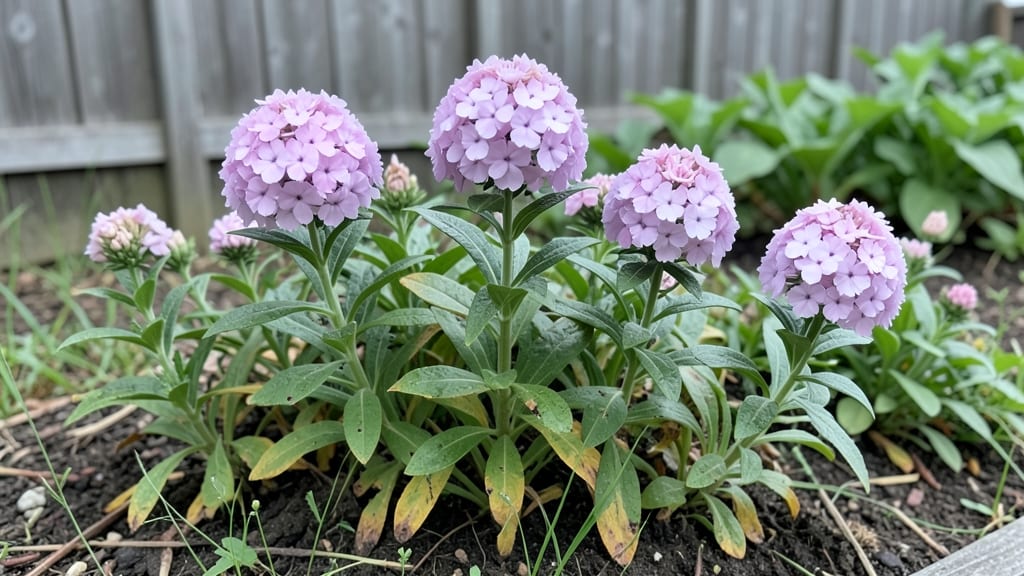
Growing Nicky Garden phlox means six weeks of vibrant pink-purple blooms that hummingbirds can't resist. 🌸 I fell in love with this variety after my first season—it thrives where other phlox fail, and the flowers stay fresh even after rain.
The secret lies in its compact growth habit and disease resistance, making it the perfect choice for borders, containers, or cutting gardens.
This phlox loves full sun to partial shade and well-draining soil with a slightly acidic pH. Amend heavy clay with compost, and water deeply once a week—more in extreme heat. The key to long-lasting blooms is deadheading spent flowers and cutting back stems by half in early fall.
I’ve seen gardens transform from dull to showstopping with just this one plant.
You’ll get nearly black stems topped with clusters of fragrant blooms that open from the bottom up, creating a stunning vertical display. Hummingbirds will visit daily, and the flowers hold their color beautifully in bouquets.
With proper care, Nicky Garden phlox rewards you with reliable blooms year after year, even in less-than-ideal conditions.
For best results, plant in spring or early fall and fertilize lightly in early spring with a balanced 10-10-10. Watch for powdery mildew—space plants properly and water at the base to keep foliage dry.
If you’ve struggled with finicky phlox before, this variety might just change your mind about growing them.
📚 In This Guide
- What you need
- Instructions
- Tips and common mistakes
- Wrapping up and next steps
What you need
- ● Nicky Garden Phlox plants: 6–12 healthy nursery-grown transplants (check for vibrant foliage and buds)
- ● OR 1–2 packets of Nicky Garden Phlox seeds (germination takes 10–21 days)
- ● Well-draining potting mix or garden soil: 1–2 cubic yards (amend with compost for fertility)
- ● Organic fertilizer (balanced 10-10-10 or slow-release): 1–2 lbs per 100 sq. ft.
- ● Mulch (pine bark or shredded leaves): 2–3 inches to retain moisture and suppress weeds
- ● Garden trowel or hand shovel (for transplanting)
- ● Pruners (sterilized) (for deadheading and shaping)
- ● Watering can or hose with a gentle spray nozzle
- ● Gloves (to protect hands from thorns or soil)
- ● Measuring tape or ruler (to space plants 12–18 inches apart)
- ● Hummingbird feeder (place near phlox for extra pollinator appeal)
- ● Epsom salt (1 tbsp per gallon of water monthly for magnesium boost)
- ● Stakes or cages (if your phlox grows tall in windy areas)
- ● Soil pH test kit (ideal range: 6.0–7.0 for phlox)
Step-by-Step guide to planting and maintaining Nicky Garden Phlox
Here's my foolproof approach to growing this showstopper—hummingbirds will be your neighbors by summer.
🌱 Step 1: Choose the Perfect Planting Location
Nicky Garden Phlox thrives in full sun to partial shade, with at least 6 hours of direct sunlight daily. I always select a spot with morning sun and afternoon shade to prevent leaf scorch, especially in hot climates. The soil should drain well but retain moisture—this phlox won't tolerate soggy roots.
Test your soil by squeezing a handful: if it crumbles easily, it's ideal. If it stays clumped, amend with 2-3 inches of compost mixed into the top 12 inches of soil. This variety blooms prolifically, so space plants 18-24 inches apart to allow airflow and prevent fungal diseases like powdery mildew.
💧 Step 2: Plant at the Right Time and Depth
Spring is the best time to plant Nicky Garden Phlox, after the last frost when soil temperatures reach 60°F. Dig a hole twice as wide as the root ball but no deeper—setting the plant too low invites rot. Gently loosen the roots if they're circling and place the plant so the top of the root ball sits just below soil level.
Backfill with native soil mixed with a handful of compost, then water deeply to eliminate air pockets. You'll see the soil settle around the roots—this ensures good contact for nutrient uptake. Mulch with 2-3 inches of organic mulch (like shredded bark) to retain moisture and suppress weeds, but keep it 3 inches away from the stem to prevent rot.
☀️ Step 3: Water Consistently for Vibrant Blooms
Keep the soil evenly moist during the first 4-6 weeks after planting—water when the top 1-2 inches feel dry. Nicky Garden Phlox is drought-tolerant once established, but consistent moisture during root development ensures strong stems and abundant blooms. Water at the base in the morning to reduce evaporation and fungal risks.
Once blooming begins, reduce watering slightly but never let the soil dry out completely. You'll notice buds forming in early summer—this is your cue to maintain regular watering. Overhead watering can damage petals, so use a soaker hose or drip irrigation for a cleaner look and healthier plants.
✂️ Step 4: Prune for Continuous Blooms and Shape
Deadhead spent blooms regularly to encourage more flowers and extend the blooming season. I snip off faded flowers with clean pruners, cutting just above the next set of leaves. This redirects the plant's energy from seed production to creating new buds.
After the first flush of blooms, give the plant a light trim to shape it and remove any leggy growth. Cut back by one-third in early fall to promote bushier growth next season. Avoid heavy pruning in late summer, as this can reduce fall blooms. Wear gloves—phlox leaves can be slightly prickly!
🪴 Step 5: Overwinter for Year-Round Beauty
Nicky Garden Phlox is hardy in zones 4-9, but in colder regions, protect it with a 2-3 inch layer of mulch after the first frost. I always leave the dead foliage in place over winter—it acts as natural insulation and protects the crown from temperature swings.
In early spring, remove the mulch and trim back any dead or damaged stems. You'll see new growth emerging from the base within 2-3 weeks. Fertilize lightly with a balanced 10-10-10 formula in early spring to jumpstart growth. With proper care, your phlox will reward you with vibrant blooms year after year—and those hummingbirds will never leave!
Tips & tricks for perfect Nicky Garden Phlox
These game-changing strategies will transform your Nicky Garden Phlox into a hummingbird haven that blooms reliably year after year.
Soil Preparation Secret: Before amending with compost in Step 1, I recommend adding a handful of perlite or coarse sand to the 2-3 inches of compost. This creates ideal drainage while maintaining moisture retention—critical for preventing root rot while supporting those vibrant blooms. The 6 hours of sunlight requirement becomes even more effective when roots aren't struggling with soggy conditions.
Planting Precision: When placing your phlox in Step 2, use a small stake to mark the planting depth before removing the plant from its container. This ensures the top of the root ball sits just below soil level as specified, even when you're working with multiple plants. The 60°F soil temperature check is your green light—use a soil thermometer if you're unsure, as planting too early can stunt growth.
Watering Wisdom: During the critical 4-6 week establishment period in Step 3, I've found that watering with a soaker hose for 15 minutes every other morning provides perfect moisture without oversaturating. The key is keeping those top 1-2 inches consistently moist—think of it as giving your phlox a daily spa treatment that builds strong stems for those showstopping blooms.
Pruning Pro Tip: For continuous blooms, I deadhead every 3-4 days during peak bloom season rather than waiting for flowers to fully fade. Use sharp pruners and make clean cuts just above leaf nodes—this redirecting of energy is what creates that second flush of blooms we all crave. The one-third fall trim is your secret weapon for next year's performance, so don't skip it!
Pro Tips for Nicky Garden Phlox
- These game-changing strategies will transform your Nicky Garden Phlox into a hummingbird haven that blooms reliably year after year.
- Soil Preparation Secret: Before amending with compost in Step 1, I recommend adding a handful of perlite or coarse sand to the 2-3 inches of compost.
- Planting Precision: When placing your phlox in Step 2, use a small stake to mark the planting depth before removing the plant from its container.
Frequently asked questions
Got questions about Nicky Garden Phlox? You’re not alone!
This vibrant pollinator favorite is easy to love but comes with a few common curiosities. Let’s tackle the most asked questions so you can grow confidently.
How do I keep Nicky Garden Phlox blooming all season?
To encourage non-stop color, deadhead spent blooms regularly—this redirects energy to new flowers. Pro tip: Prune back by ⅓ after the first flush in spring to promote bushier growth. Mulch with compost to retain moisture and fertilize lightly with a balanced 10-10-10 mix every 4-6 weeks.
Why aren’t hummingbirds visiting my Nicky Garden Phlox?
Hummingbirds adore Nicky Phlox, but they might skip it if blooms are overly crowded or flowers are spent. Troubleshoot: Ensure flowers are open and accessible (no thick foliage blocking access). Plant near feeders or other nectar-rich plants (like bee balm) to create a "hummingbird highway." Avoid pesticides—even natural ones—since they can deter these tiny pollinators.
When is the best time to plant Nicky Garden Phlox?
Spring and fall are ideal! For spring: Plant after the last frost when soil is workable (Zone 3-9). For fall: Aim 6-8 weeks before your first frost to establish roots. Nicky Phlox thrives in well-draining soil, so amend heavy clay with compost. Container gardeners can plant anytime in warm zones.
What’s a good alternative if my Nicky Phlox struggles in my climate?
If your area has hot summers or heavy shade, try these phlox cousins:
- David Phlox (Phlox paniculata): Taller, heat-tolerant, and great for cut flowers.
- Creeping Phlox (Phlox subulata): Perfect for sunny, rocky slopes (spring blooms).
- Blue Phlox (Phlox divaricata): Thrives in partial shade and blooms early.
How do I prevent powdery mildew on my Nicky Garden Phlox?
Powdery mildew loves humid, shaded conditions—but Nicky Phlox is resistant! Still, improve airflow by spacing plants 12–18 inches apart. Preventative care: Water at the base (avoid overhead), mulch to keep soil moist, and prune for sunlight access. If mildew appears, spray with a baking soda mix (1 tsp baking soda + 1 quart water + a drop of dish soap).
Wrapping up and next steps
Nicky Garden Phlox isn’t just a flower—it’s a year-round gift of color, pollinators, and effortless beauty for your garden. With its vibrant blooms, low-maintenance care, and hummingbird magnet appeal, it’s the perfect addition for any outdoor space.
Whether you’re a seasoned gardener or just starting, planting Nicky Garden Phlox is a rewarding step toward a thriving, pollinator-friendly landscape.
Ready to bring this magic to your garden? Start by choosing your spot, gathering supplies, and planting with confidence! 🌸🐝 Your future blooms—and happy hummingbirds—will thank you.