Size
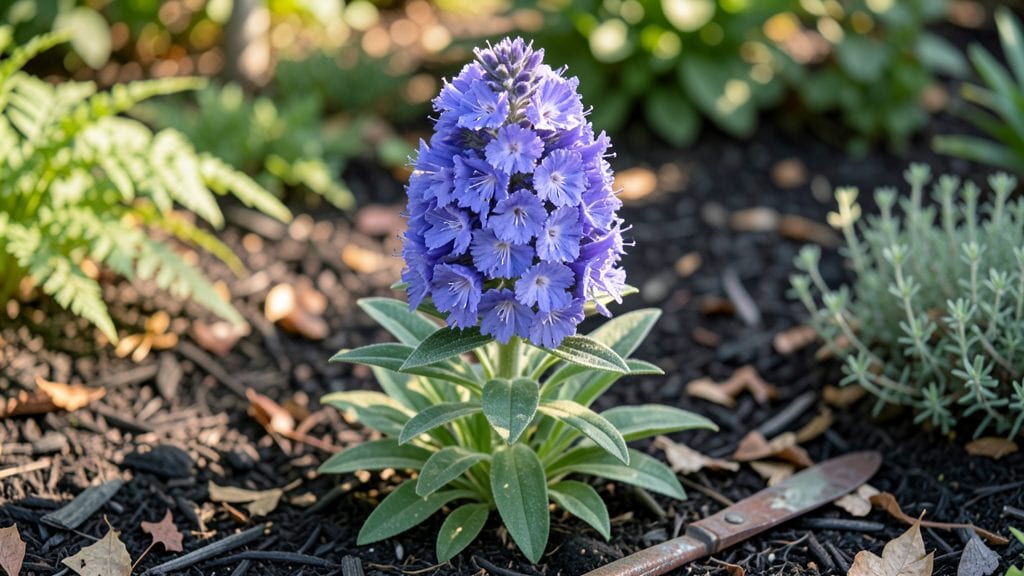
Tall purple garden phlox turns summer borders into dramatic backdrops. 🌿 I’ll never forget the first time I saw a row of these towering blooms stretching toward the sky—it felt like a living curtain of velvet and lace.
The way they sway in the breeze while holding their color from mid-June to frost makes them the unsung hero of cottage gardens and formal beds alike.
These phlox thrive when planted in clusters of three or five, spaced about 18-24 inches apart. Tuck them behind shorter perennials like coneflowers or daylilies to create depth, or let them stand alone as a bold focal point.
Their height—often reaching 3-5 feet—makes them perfect for cutting gardens too, where they add height and texture to bouquets.
The real magic happens when you pair them with silver foliage plants like lamb’s ear or dusty miller. The contrast makes those purple blooms pop even more, while white or yellow flowers nearby keep the eye moving through the garden.
In wildflower-style plantings, they blend seamlessly with native grasses and other tall perennials.
Whether you’re designing a romantic cottage border or a structured formal garden, tall purple phlox bring effortless drama. They’re the kind of plant that makes neighbors do a double-take—and that’s a design win in my book. Let’s talk placement and pairings next!
📚 In This Guide
- What you need
- Instructions
- Tips and common mistakes
- Wrapping up and next steps
What you need
- ● Tall Purple Garden Phlox Plants: 3–5 healthy nursery-grown plants (6–12 inches tall, with vibrant purple blooms). Pro tip: Look for Phlox paniculata varieties like 'David,' 'Lipstick,' or 'Blue Flame' for maximum height (3–5 feet!).
- ● Well-Draining Soil: 1–2 cubic yards of loamy garden soil mixed with compost (50/50 ratio) for optimal drainage and nutrients.
- ● Organic Fertilizer: 5–10 lbs of balanced 10-10-10 or slow-release granular fertilizer (like fish emulsion or bone meal for extra phosphorus).
- ● Mulch: 2–3 bags of organic mulch (e.g., shredded bark or straw) to retain moisture and suppress weeds.
- ● Garden Trowel: 1 medium-sized trowel (for transplanting).
- ● Garden Gloves: 1 pair (to protect your hands from thorns or rough soil).
- ● Watering Can or Hose: With a spray nozzle for gentle watering.
- ● Pruners: 1 pair of sharp, sterilized pruners (for deadheading and shaping).
- ● Measuring Tape: 1 (to space plants 18–24 inches apart).
- ● Staking or Support: 3–5 bamboo stakes or flower rings (if your phlox leans or grows in windy areas).
- ● Slow-Release Fertilizer Spikes: 1–2 spikes per plant (for low-maintenance nutrition).
- ● Pest Control: Neem oil or insecticidal soap (to deter aphids or Japanese beetles).
- ● Garden Twine: For securing stakes if needed.
How to plant and care for stunning tall purple garden phlox
Here's the straightforward approach I use to grow bold, healthy phlox that blooms from midsummer through fall.
🌱 Step 1: Choose the Perfect Planting Spot
Tall purple garden phlox thrives in full sun to partial shade, with at least 4-6 hours of direct sunlight daily. I always pick a location with morning sun and afternoon shade to prevent scorching during peak summer heat. The soil should drain well but retain moisture—phlox hates soggy roots but needs consistent dampness to produce those vibrant blooms.
Test your soil by digging a 6-inch hole. If water pools after 10 minutes, amend with compost to improve drainage. Phlox also loves rich, organic soil—work in 2-3 inches of compost before planting to give roots a nutrient boost. This is where the magic starts: healthy soil equals strong stems that support those dramatic flower spikes.
🪴 Step 2: Plant at the Right Depth and Spacing
Dig a hole twice as wide as the phlox root ball but only as deep as the container's base. This prevents burying the crown, which can cause rot. Gently remove the plant from its container and loosen any circling roots with your fingers—this encourages outward growth instead of girdling.
Space plants 18-24 inches apart for full, lush growth. Crowding leads to weak stems and fewer blooms. Place each plant in the hole, backfill with soil, and firm gently around the base. Water deeply right away to settle the soil and eliminate air pockets. You'll see the stems straighten naturally as they drink up the moisture.
☀️ Step 3: Water and Fertilize for Continuous Blooms
Water newly planted phlox 1-2 inches per week, keeping the soil consistently moist but never soggy. The first sign of stress is wilting—water immediately if leaves droop, but don't let the soil stay waterlogged. I use a soaker hose to deliver moisture at the base without wetting the foliage, which prevents fungal diseases that love damp leaves.
Feed with a balanced, slow-release fertilizer in early spring and again after the first flush of blooms. I like a 10-10-10 formula because phlox responds well to equal parts nitrogen, phosphorus, and potassium. Deadhead spent blooms regularly—this redirects the plant's energy from seed production to creating more flowers. You'll notice new buds forming within 2-3 weeks of consistent care.
✂️ Step 4: Prune for Health and Next Season's Growth
After the first hard frost, cut back the stems to 4-6 inches tall. This removes dead foliage and prevents disease overwintering in the garden. I always use clean, sharp pruners to make clean cuts just above a leaf node. This early pruning also encourages strong new growth in spring.
In late winter or early spring, do a second pruning to shape the plant and remove any dead or crossing stems. This is your chance to open up the center for better airflow and light penetration. You'll see fresh, vibrant growth emerge within 3-4 weeks of this pruning—it's like hitting the reset button for another spectacular season.
Tips & tricks for perfect tall purple garden phlox
Here's what I've learned after years of growing these showstopping flowers that will transform your garden.
Soil Preparation Secret: Before planting, mix in 2-3 inches of compost as instructed, but don't stop there. Add a handful of perlite or coarse sand to improve drainage if your soil feels dense. I've found that phlox roots actually thrive when they have both moisture retention AND quick drainage—this prevents the dreaded root rot while keeping those blooms vibrant. The key is creating that perfect balance where water drains within 10 minutes but the soil stays moist enough to support continuous blooming.
Planting Depth Trick: When you're planting at the right depth (as deep as the container's base), here's the thing: the root ball should sit just slightly above the surrounding soil level. This prevents water from pooling around the crown, which can cause rot. I like to make a small mound of soil in the center of the hole first, then place the plant on top before backfilling. This little elevation trick has saved me from losing plants to crown rot after heavy rains.
Watering Wisdom: The 1-2 inches per week guideline is perfect, but timing matters just as much. Water in the morning so the foliage has all day to dry out—this prevents fungal diseases that love damp leaves. I've noticed that phlox actually develops stronger stems when watered consistently at the base rather than overhead. Use a soaker hose or drip irrigation to deliver that moisture right where the roots need it most.
Deadheading Technique: When you're deadheading those spent blooms every 2-3 weeks, here's my game-changer: always cut just above a set of healthy leaves or buds. This redirects the plant's energy to create new flowers instead of seed production. I like to do this on a dry morning after the dew has evaporated—it makes the stems easier to handle and prevents spreading any potential fungal spores that might be hiding in the foliage.
Pro Tips for Tall Purple Garden Phlox
- Here's what I've learned after years of growing these showstopping flowers that will transform your garden.
- Soil Preparation Secret: Before planting, mix in 2-3 inches of compost as instructed, but don't stop there. Add a han...
- Planting Depth Trick: When you're planting at the right depth (as deep as the container's base), here's the thing: th...
Frequently asked questions
about tall purple garden phlox—because every gardener deserves a little clarity!How tall do tall purple garden phlox actually grow?
Tall purple garden phlox typically reach 3 to 5 feet in height, making them perfect for borders, cottage gardens, or even as dramatic cut flowers. With proper care, some varieties can even hit 6 feet! Stake them early if they lean, especially in windy areas.
When is the best time to plant tall purple phlox?
Plant them in early spring or early fall for the best results. This gives roots time to establish before summer heat or winter frost. Avoid planting in late summer, as the heat can stress young plants. Container-grown phlox can be planted year-round in mild climates.
Why are my phlox leaves turning yellow or spotted?
Yellowing or spotted leaves are often signs of powdery mildew or leaf spot diseases, common in humid conditions. Improve airflow by spacing plants 18-24 inches apart and avoid overhead watering. Fungicides (like neem oil) can help, but removing affected foliage early prevents spread.
Can I grow tall purple phlox in containers?
Yes! Choose a large container (at least 12-14 inches wide) with well-draining soil and place it in full sun to partial shade. Use a moisture-retentive potting mix and fertilize lightly during the growing season. Just be prepared for more frequent watering than in-ground plants.
What are some great alternatives if I love the look but hate the upkeep?
If phlox seems high-maintenance, try these low-fuss alternatives with similar drama:
- Russian sage (perennial, drought-tolerant, purple blooms)
- Coneflower (Echinacea) (tough, pollinator-friendly, long-lasting)
- Bee balm (Monarda) (vibrant colors, attracts hummingbirds)
- Salvia (Salvia nemorosa) (drought-resistant, spiky purple blooms)
Wrapping up and next steps
Growing tall purple garden phlox is a rewarding way to add drama and lasting color to your garden! With their striking height and vibrant blooms, these perennials bring effortless elegance to borders, cottage gardens, or even as cut flowers.
Whether you're a seasoned gardener or just starting, their resilience and beauty make them a must-have for any outdoor space.
Ready to transform your garden? Start by choosing the right variety and give these stunning plants the care they deserve—your future blooms will thank you! 🌸