Pests and Diseases
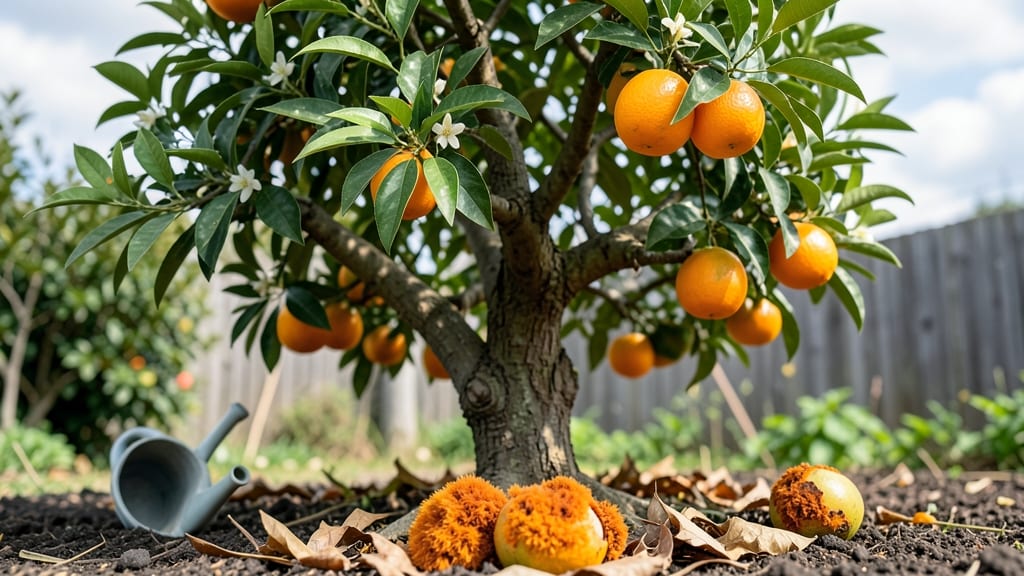
That vivid orange fungus garden sprawling across your mulch or tree base isn’t just an eyesore—it’s Armillaria root rot, a stealthy killer devouring your plants from below. I’ve seen it turn thriving gardens into sickly patches overnight, and the good news is you can stop it before it spreads.
The key starts with knowing whether it’s the harmless (but still annoying) Chicken of the Woods or something more dangerous lurking in your soil.
Most orange fungi aren’t immediately deadly, but some—like Armillaria—are stealthy invaders that strangle roots. The first step is identifying what you’re dealing with: is it growing on wood, spreading on mulch, or oozing from the ground?
Once you know, you can act fast—whether that means pruning infected areas, applying copper sprays, or adjusting how you water. I’ve saved entire garden beds by catching it early, and you can too.
By the end of these steps, your garden will look healthy and fungus-free, with soil that resists future outbreaks. We’re talking fewer wilting plants, no more mysterious brown patches, and a yard that stays vibrant all season.
The secret? A mix of removal, prevention, and smart garden hygiene that works even for beginners.
This works for trees, shrubs, and even lawns—no matter where the orange menace shows up. Let’s get your garden back to thriving, not just surviving.
Root Causes Of Fungal Overgrowth
That mysterious orange fungus garden popping up in your soil isn’t just bad luck—it’s usually a sign of underlying conditions that create the perfect breeding ground for Aspergillus or Penicillium species.
Understanding these causes is the first step to stopping the spread. Below, we break down the most common triggers and why they happen.
Fungi thrive in damp, oxygen-starved environments. When soil stays soggy for too long—whether from overwatering, poor drainage, or heavy rainfall—spores germinate and spread rapidly. Orange fungal growth often appears in:
- Container gardens with drainage holes clogged by roots or debris.
- Compacted soil that repels water, creating surface puddles.
- Shaded areas where excess humidity lingers (e.g., under dense foliage or near walls).
Why it matters: Fungi like Penicillium (common in citrusy orange molds) produce enzymes that break down organic matter in wet conditions. Without airflow, these enzymes accelerate decay, turning soil into a fungal buffet.
Leaves, mulch, and dead plant matter aren’t inherently bad—they’re part of a healthy ecosystem. But when they pile up without decomposition, they create a warm, moist microclimate where fungi feast. Orange fungal gardens often colonize:
- Thick mulch layers (over 3 inches) that block oxygen and trap moisture.
- Old compost piles with uneven heat distribution (too cold = fungal dominance).
- Weedy or overgrown beds where dead roots and stems provide food sources.
Why it matters: Fungi like Aspergillus release spores that latch onto decaying cellulose. In stagnant piles, these spores multiply unchecked, turning your garden into a fungal hotspot.
Fungi are opportunistic—when conditions are just right (warm but not scorching, humid but not dry), they explode in growth. Orange fungal outbreaks peak when:
- Nighttime temps hover between 60–80°F (15–27°C), ideal for spore germination.
- Humidity stays above 70% for prolonged periods (common in greenhouses or tropical climates).
- Soil warms unevenly (e.g., dark mulch baking in sun while roots stay cool).
Why it matters: Fungi metabolize faster in these ranges. Penicillium, for example, produces orange pigments as a byproduct of its rapid growth cycle—hence the "garden" appearance.
Stressed plants can’t fight off fungal invaders. When roots, stems, or leaves are compromised—by pests, nutrient deficiencies, or disease—they become entry points for fungi. Orange fungal gardens often appear near:
- Root-bound plants with stunted growth (limited nutrient uptake = weak defenses).
- Plants recovering from transplant shock (damaged roots invite fungal colonization).
- Over-fertilized soil (excess nitrogen promotes soft, fungal-loving tissue).
Why it matters: Fungi exploit "wounds" in plants. For instance, Aspergillus flavus (a toxin-producing orange fungus) targets stressed corn or peanut crops, entering through cracked seed coats or damaged husks.
Actionable takeaway: Most fungal outbreaks are preventable by addressing one or more of these root causes. Start by checking your watering habits, airflow, and plant health—then tackle the specific triggers in your garden.
Quick fixes for fungal overgrowth
Fungal outbreaks like the orange fungus garden (often caused by Trichoderma or Penicillium species) can be frustrating, but with the right approach, you can restore your plants to health quickly. Below are targeted solutions for common causes, along with prevention tips to keep future outbreaks at bay.
---
Fix it fast: - Stop watering immediately until the soil dries out (stick your finger 1–2 inches deep—if it’s soggy, wait). - Improve drainage by amending the soil with perlite, sand, or coconut coir (mix in a 1:1 ratio with potting soil). - Repot affected plants into fresh, sterile soil if the fungus persists (sterilize pots with a 10% bleach solution).
Prevent it: ✅ Water only when the top inch of soil feels dry—fungi thrive in wet conditions. ✅ Use pots with drainage holes and elevate them on saucers to avoid root rot. ✅ Avoid overhead watering—use drip irrigation or water at the base.
---
Fix it fast: - Increase airflow by spacing plants apart (aim for 6–12 inches between foliage). - Use a small fan (on low) near affected plants to circulate air without damaging leaves. - Reduce humidity with a dehumidifier or by placing a fan near the growing area.
Prevent it: ✅ Prune plants regularly to improve airflow between leaves. ✅ Keep humidity below 60%—use a hygrometer to monitor levels. ✅ Open windows or doors daily for natural ventilation.
---
Fix it fast: - Remove and discard heavily infected soil (do not compost—fungus spores can survive). - Sterilize tools with rubbing alcohol (70% or higher) or a bleach solution (1 part bleach to 9 parts water). - Apply a fungicide like copper fungicide or neem oil (follow label instructions).
Prevent it: ✅ Sterilize pots and tools before and after use—fungus spores linger! ✅ Use fresh, sterile potting mix (avoid garden soil, which may contain pathogens). ✅ Rotate crops if growing in the same container repeatedly.
---
Fix it fast: - Trim damaged leaves with clean scissors to prevent spread. - Boost plant health with a balanced fertilizer (half-strength) and kelp meal for immunity. - Move to brighter light (but avoid direct sun, which can stress plants further).
Prevent it: ✅ Provide optimal light—most plants need 6–8 hours of indirect sunlight daily. ✅ Fertilize regularly but avoid overfeeding (burnt roots weaken defenses). ✅ Quarantine new plants for 2–3 weeks to spot early signs of stress or disease.
---
If the fungus has spread widespread orange growth and traditional methods fail: 1. Isolate the plant to prevent cross-contamination. 2. Dispose of the plant (do not compost—bag and trash it).
3. Wash containers with soapy water and bleach, then dry in sunlight. 4. Repopulate with fresh, disease-resistant plants in sterilized soil.
--- Pro Tip: 💡 Baking soda spray (1 tsp baking soda + 1 quart water + a few drops of soap) can act as a mild fungicide—test on a small area first!
By acting fast and methodically, you can eliminate fungal growth and protect your garden. Prevention is key—healthy soil, good airflow, and clean tools are your best defense!
Frequently asked questions
Is the orange fungus in my garden always harmful?
Not necessarily! Some orange fungi like Chicken of the Woods are harmless (or even edible), while others like Armillaria root rot are destructive. Check the location: if it's growing on wood or mulch, it's likely non-pathogenic. If it's spreading on soil or plant bases, act fast—it could be damaging roots.
How do I tell if my plants are already infected?
Look for yellowing leaves, stunted growth, or mushrooms sprouting near roots. If plants wilt despite proper watering or show dark, stringy roots, the fungus may have already compromised them. Remove infected plants immediately to prevent spread.
Can I use vinegar to kill orange fungus?
Yes, but dilute it properly! Mix 1 part white vinegar to 3 parts water and spray affected areas. Avoid using it on edible plants or near beneficial soil microbes. For severe cases, repeat every 3-4 days until the fungus disappears.
Will composting help get rid of orange fungus?
No—composting spreads spores! If you find orange fungus in your compost pile, remove it immediately and avoid using that compost. Instead, sterilize the pile by turning it frequently and keeping temps above 140°F (60°C) for 3 days to kill spores.
How long until my garden is fungus-free after treatment?
With proper care, you'll see improvement in 1-2 weeks. For stubborn cases (like Armillaria), it may take 2-3 months to fully eliminate. Consistency is key—keep monitoring soil moisture, airflow, and plant health to prevent recurrence.