
Companion Plants
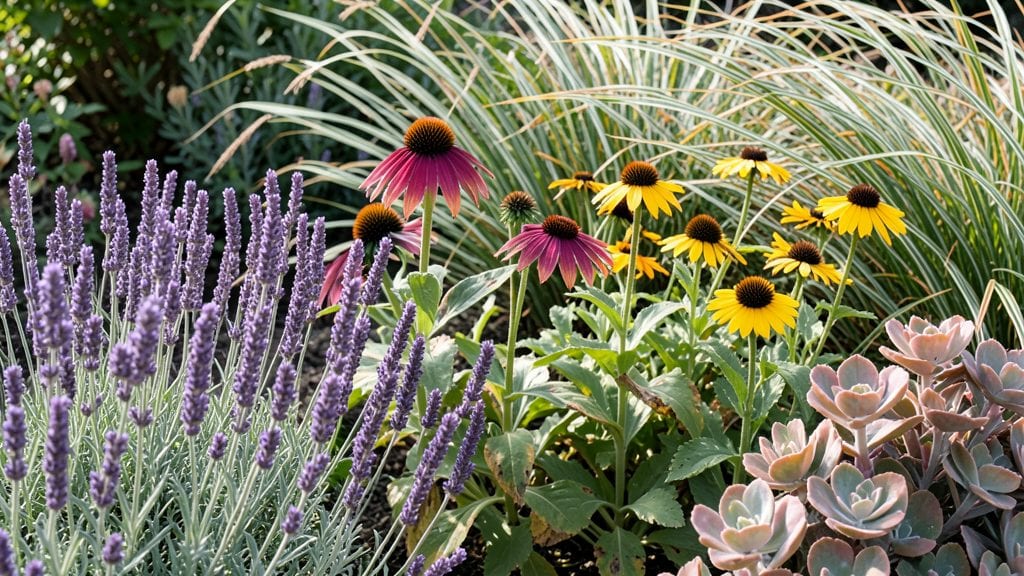
Creating an outdoor plants garden that thrives year-round starts with the right mix of foliage and evergreen layers. I learned this after my first winter garden looked like a sad, brown mess—until I swapped out seasonal plants for evergreens that held their color and structure.
The key is balancing plants that provide height, texture, and seasonal interest without demanding constant attention.
Low-maintenance doesn’t mean boring—think boxwoods, holly, and arborvitae for structure, then layer in inkberry, pieris, and dwarf conifers for variety. These plants handle drought, shade shifts, and even urban pollution better than most annuals.
I’ve designed my privacy screen to stay lush from spring through winter with just one deep watering a week and minimal pruning.
What you’ll end up with is a living wall that blocks noise and neighbors’ views while adding depth to your yard. The textures—needles, glossy leaves, and velvety foliage—create visual interest even when flowers fade. Best of all, it requires less than 30 minutes of work per month once established.
This setup works in zones 5-9, though I’ve seen similar designs thrive in coastal climates with salt-tolerant varieties. Whether you’re starting from scratch or refreshing an existing hedge, the principles stay the same: evergreen structure, layered textures, and plants that outlast the seasons.
📚 In This Guide
- What you need
- Instructions
- Tips and common mistakes
- Wrapping up and next steps
What you need
- ● Plants: 3-5 tall evergreens (e.g., Thuja occidentalis or Picea pungens) – 4-6 ft tall, spaced 4-6 ft apart.
- ● 5-7 medium-height shrubs (e.g., Viburnum tinus or Ilex crenata) – 3-5 ft tall, spaced 3-4 ft apart.
- ● 7-10 low-growing ground covers (e.g., Helleborus or Ajuga reptans) – 1-2 ft tall, spaced 1-2 ft apart.
- ● Soil: 1-2 cubic yards of well-draining, organic-rich soil (or compost for amending existing soil).
- ● Mulch: 2-3 bags of wood chips or shredded bark mulch (6-12 inches deep).
- ● Digging: Garden shovel, trowel, and pruning shears (for shaping plants).
- ● Measuring: Measuring tape and stakes (for marking plant spacing).
- ● Watering: Garden hose with a soaker hose or sprinkler attachment.
- ○ Safety: Work gloves and knee pads (optional but highly recommended!).
- ● A sunlight assessment of your space (full sun, partial shade, or full shade).
- ● Access to water (or a plan for irrigation if no hose is nearby).
- ○ Optional: Erosion control fabric for slopes or sandy soil.
Instructions for designing a year-round privacy garden
Here’s how to create a lush, evergreen screen that thrives with minimal effort.
Plan Your Foliage Layers for Seasonal Coverage
Privacy gardens work best with three distinct layers: tall evergreens for structure, mid-height shrubs for density, and ground covers to fill gaps. I start by sketching a vertical profile of my space, noting sun exposure and wind patterns. For full sun, I pair Arborvitae (tall) with Dwarf Boxwood (mid) and Creeping Juniper (ground cover). In partial shade, I swap in Holly for the tall layer and Dwarf Fothergilla for mid-height.
Measure your desired height—typically 6-8 feet for full privacy—and mark planting spots 12-18 inches apart for mature spacing. Use stakes to visualize the layout before digging. This ensures you won’t end up with awkward gaps later. I always plant the tallest shrubs at the back, working forward to create a natural gradient.
Prepare Soil and Plant for Deep Root Establishment
Dig holes twice as wide as the root ball but only as deep—planting too deep suffocates roots. Amend the native soil with 2 gallons of compost per plant to improve drainage and fertility. I mix in a handful of slow-release fertilizer at the bottom of each hole to give roots a nutrient boost right away.
Gently remove plants from containers and tease apart any circling roots. Place each in its hole, backfilling with native soil (not potting mix) to encourage root expansion. Water deeply to settle soil around roots, then add 1 inch of mulch to retain moisture and suppress weeds. This step is critical—skipping it leads to transplant shock and stunted growth.
Space and Layer for Maximum Density
For Arborvitae and Holly, space plants 3-4 feet apart—they’ll fill in quickly. Mid-height shrubs like Boxwood or Fothergilla go 2-3 feet apart, while ground covers like Creeping Juniper should be planted 18-24 inches apart. I stagger rows slightly to create a staggered, natural look rather than a rigid grid.
Fill gaps between plants with evergreen perennials like Heuchera or Sedum for texture. These fillers thrive in the dappled shade created by taller plants. Water thoroughly after planting, then deep-water weekly for the first month to encourage root growth. Avoid overhead watering—it spreads disease and washes away soil.
Prune and Maintain for Year-Round Structure
Prune Arborvitae and Holly in early spring before new growth starts. Use clean, sharp shears to trim 1/3 of the oldest growth to encourage bushier habits. For Boxwood, I do a light shaping in late spring after flowering. Never prune more than 25% of a plant’s foliage in one season—it stresses the shrub and invites pests.
Apply 2-3 inches of mulch annually in early spring to protect roots and retain moisture. Fertilize once in spring with a balanced, slow-release formula (10-10-10). I avoid high-nitrogen fertilizers—they promote leafy growth at the expense of root strength. Check for spider mites or scale in late summer and treat with neem oil if needed. A healthy privacy screen should require no more than monthly checks once established.
Adjust for Seasonal Color and Texture
Incorporate evergreen ferns or variegated shrubs like Dwarf Golden Privet for winter interest. These add contrast to the deep greens and keep the garden vibrant when deciduous plants fade. I also weave in ornamental grasses like Carex for movement and softness at the garden’s edge.
Monitor light exposure—if a section stays too shady, swap in shade-tolerant shrubs like Inkberry Holly or Dwarf Rhododendron. In hot climates, add drought-tolerant plants like Dwarf Mondo Grass to reduce watering needs. The key is balance: 70% evergreen for structure, 20% semi-evergreen for seasonal change, and 10% ornamental for visual interest.
Tips & tricks for perfect year-round privacy garden design
A few strategic moves will transform your privacy garden from functional to stunning—and keep it thriving with minimal effort.
Layering Strategy: The three-layer approach in Step 1 is non-negotiable for true privacy. I recommend starting with Arborvitae or Holly as your tallest layer (6-8 feet) since these evergreens provide year-round coverage. For mid-height, Dwarf Boxwood or Fothergilla create density while Creeping Juniper as ground cover fills gaps beautifully. Pro tip: Plant your tallest shrubs first, then work forward—they'll naturally create that perfect gradient when mature.
Soil Preparation Secret: Never skip the 2 gallons of compost amendment in Step 2. This isn't just about fertility—it's about creating the right soil structure for root expansion. I've seen plants fail when planted in unamended native soil, especially in heavy clay or sandy soils. The slow-release fertilizer at planting gives roots an immediate energy boost without burning them, which is crucial for preventing transplant shock.
Spacing Precision: The 3-4 feet spacing for Arborvitae and Holly might seem generous, but it pays off in mature growth. These plants will fill in completely within 3-5 years, creating that lush, impenetrable screen. For Boxwood or Fothergilla, the 2-3 feet spacing ensures they don't compete with taller plants for sunlight. I always stagger my rows slightly—this creates that natural, wind-blown look rather than a rigid geometric pattern.
Pruning Timing: That early spring pruning window for Arborvitae and Holly is critical. Pruning too late in spring can stimulate new growth that won't harden off before winter. For Boxwood, the late spring timing after flowering ensures you don't cut off any potential blooms. And remember—the 1/3 rule for pruning is about encouraging bushier growth, not just shaping. You'll notice the plants fill out much more densely when you follow this guideline.
Pro Tips for Outdoor Plants Garden
- A few strategic moves will transform your privacy garden from functional to stunning—and keep it thriving with minimal effort.
- Layering Strategy: The three-layer approach in Step 1 is non-negotiable for true privacy.
- Soil Preparation Secret: Never skip the 2 gallons of compost amendment in Step 2.
Frequently asked questions
Got questions about creating a lush, low-maintenance outdoor garden for year-round privacy? We’ve got answers!
Whether you’re a beginner or a seasoned gardener, these FAQs will help you navigate foliage layers, spacing, and care with confidence.
What are the best low-maintenance plants for fast privacy?
For quick privacy, opt for Bamboo (clumping varieties), Arborvitae, or Leyland Cypress. For foliage layers, mix in Boxwood, Holly, and Heather—they thrive with minimal fuss. Pro tip: Evergreens like Dwarf Mondo Grass add texture without needing frequent trims!
How long does it take for a foliage garden to provide full privacy?
Most fast-growing plants (like Bamboo or Leyland Cypress) reach 6–10 feet in 3–5 years. Slower growers (e.g., Boxwood) take 5–7 years. Layering plants of varying heights can create the illusion of density sooner—think of it like a living tapestry!
Do outdoor privacy plants need lots of water?
Not necessarily! Drought-tolerant options like Lavender, Russian Sage, or Dwarf Yew thrive with 1–2 inches of water weekly. Newly planted shrubs may need more, but once established, most foliage layers are resilient. Mulch helps retain moisture—just 2–3 inches around the base works wonders.
How do I prune a foliage garden without damaging plants?
Prune Arborvitae or Holly in late winter/early spring to encourage bushy growth. Use clean, sharp shears and cut just above a leaf node (the bump where leaves grow). Avoid over-trimming—aim to shape, not shear. For layered gardens, prune bottom layers first to maintain light access.
What’s the best way to keep pests away from my outdoor plants?
Prevent pests with healthy soil (compost + organic matter) and regular inspections. For common culprits like aphids or spider mites, spray with neem oil or introduce ladybugs. Diatomaceous earth works for soil-dwelling pests. Pro tip: Plant Marigolds or Garlic nearby—they repel pests naturally!
Can I mix perennials and shrubs in a foliage garden?
Perennials like Hostas or Ferns add seasonal color and texture, while shrubs (e.g., Camellia) provide structure. Just ensure light and water needs align. For example, pair Hydrangeas (shade-tolerant) with Boxwood for a cohesive look. Layering tip: Place taller shrubs at the back, mid-height perennials in the middle, and ground covers (like Creeping Jenny) up front.
Wrapping up and next steps
Creating a year-round privacy garden with low-maintenance foliage layers is simpler—and more rewarding—than you think! By strategically layering evergreens, shrubs, and ornamental grasses, you can craft a lush, green sanctuary that thrives with minimal effort.
Whether you’re starting small or transforming a large space, the key is planning for texture, height, and seasonal interest.
Now that you’re armed with the right plants and tips, take the first step—sketch a simple layout, gather your tools, and plant with confidence! Your future self (and your neighbors 😉) will thank you for the serene, green oasis you’re building today.