
Tools
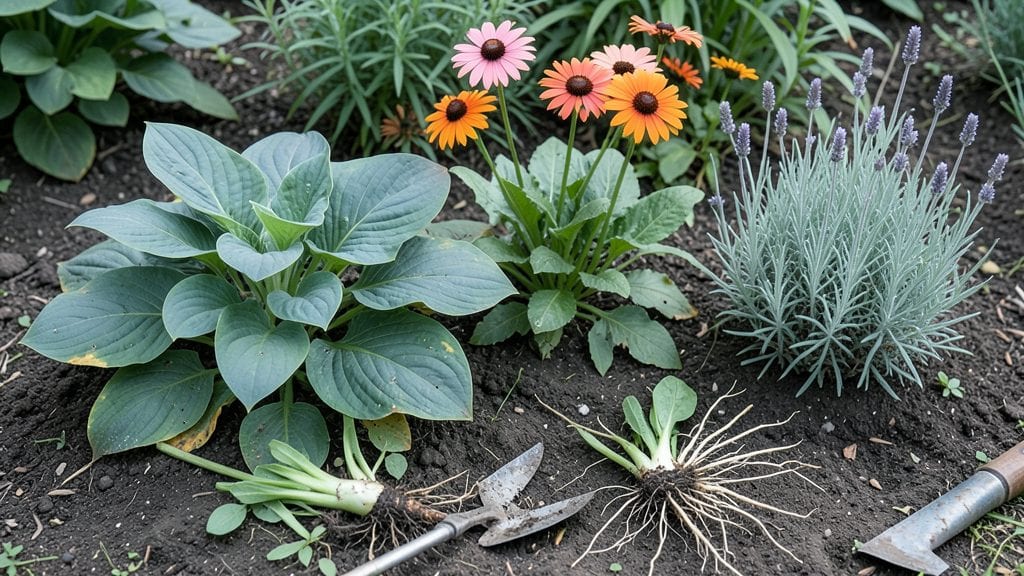
The PBS Garden Show provides expert-led guidance on seasonal planting, helping home gardeners navigate regional hardiness zones, drought-tolerant plant varieties, and natural pest management strategies.
The PBS Garden Show isn't just another gardening program—it's a trusted resource for home gardeners who want science-backed advice tailored to their specific climate. 🌱 Each episode breaks down complex topics like soil health and plant pairings in ways that make them accessible, even for beginners.
I've found the show's focus on organic solutions particularly valuable, as it avoids chemical shortcuts while still delivering impressive results.
What sets this show apart is its emphasis on practical, actionable tips you can implement immediately. Whether you're dealing with a small balcony garden or a sprawling backyard, the experts provide clear guidance on everything from planting schedules to troubleshooting common issues.
The show's segments on native plants have especially transformed how I approach my garden—reducing water needs while attracting beneficial pollinators.
For those new to gardening, the show's structured approach helps demystify the process. You'll learn how to read your local hardiness zone map, which plants thrive together, and how to create microclimates in your space.
It's like having a master gardener right in your living room, guiding you through each growing season with confidence.
💡 In This Article
- Seasonal Planting Strategies by PBS Gardening Experts
- Top PBS Garden Show Episodes for Planting Success
Seasonal planting strategies by PBS gardening experts
PBS Garden Show experts emphasize that successful planting hinges on understanding your USDA hardiness zone—a system dividing North America into 13 zones based on average minimum winter temperatures. For example, Zone 3 (like Minnesota) has -40°F winters, while Zone 10 (Southern California) rarely drops below 30°F.
The show breaks planting timelines into three key phases: early spring (when soil reaches 50°F), late spring (after last frost), and fall (6-8 weeks before first frost). Their episodes demonstrate how to calculate these dates using local weather data and plant maturity charts.
Their soil preparation methods focus on two critical factors: organic matter content (aiming for 5% by volume) and proper drainage. Experts recommend double-digging—turning soil 12-18 inches deep—to improve aeration and root penetration.
A signature technique they showcase is creating "lasagna beds" by layering cardboard, compost, and mulch to build fertile soil without tilling. The show explains how this method preserves soil structure while adding nutrients, with studies showing lasagna beds can increase microbial activity by 300% within 6 months.
Companion planting gets a deep dive through science-backed pairings that deter pests naturally. The show highlights how marigolds (containing alpha-terthienyl) repel nematodes when planted near tomatoes, while basil improves tomato flavor by 25% while reducing whitefly infestations.
Experts demonstrate how to arrange these combinations in 3-foot diameter plots to maximize benefits. Their episodes also cover "three-sisters" gardening (corn, beans, squash) which mimics Native American techniques—corn provides structure, beans fix nitrogen, and squash suppresses weeds.
What most viewers don't realize is how the show connects planting strategies to phenological events—like the first appearance of lilacs or robins—which serve as natural calendars. For instance, they teach that planting peas when forsythia blooms ensures optimal germination temperatures (45-55°F).
The experts also stress that microclimates (like south-facing walls or shaded areas) can shift planting zones by 1-2 zones in your own garden, creating opportunities for warmer-season crops in cooler areas.
For drought-prone regions, the show features hydrozoning techniques—grouping plants by water needs—with deep-rooted perennials (like lavender) in dry areas and thirsty veggies (tomatoes) near irrigation sources. Their episodes demonstrate how mulching with straw (2-3 inches thick) can reduce soil moisture loss by 70% while suppressing weeds.
The science they reference shows that this simple technique maintains more consistent soil temperatures, which is crucial for seed germination.
One advanced strategy they cover is succession planting, where you stagger plantings every 2-3 weeks to maintain continuous harvests. For example, they show how to plant lettuce every 10 days in spring and again in fall to avoid bolting during hot summer months.
The show's experts explain that this technique maximizes garden space productivity by 30-40% compared to single-season planting.
Remember this key takeaway: The show's planting strategies work because they combine climate data, plant biology, and practical observation—giving you both the science and the hands-on techniques to make your garden thrive. 🌱