Planting
Philadelphia gardening falls under USDA Hardiness Zones 6b to 7a, with microclimates extending into 8a in urban heat pockets. This range supports diverse plants, from perennials like peonies to vegetables like tomatoes and peppers, depending on seasonal timing and frost dates.
Understanding your gardening zone helps you choose the right plants for Philadelphia's climate. The city's mix of urban heat islands and river valleys creates pockets where temperatures can vary by 5-10°F between neighborhoods, affecting what thrives in your yard.
For example, while most of the city sits in Zone 7a, areas near the Schuylkill River might experience Zone 6b conditions, delaying spring planting by 2-3 weeks. This variation explains why some gardeners in West Philadelphia can grow zucchini a week earlier than those in Northeast Philly.
What sets Philadelphia apart is its ability to grow both cold-hardy perennials and heat-loving vegetables in the same season. Peonies and daylilies flourish in Zone 6b's cooler winters, while tomatoes and eggplants reach full maturity in Zone 8a's warmer microclimates.
The key is matching your planting schedule to your specific zone—most nurseries sell plants labeled with their zone requirements, making it easy to select winners for your garden. 🌱
💡 In This Article
- Philadelphia’s USDA Hardiness Zones Explained
- Top Philadelphia-Friendly Plants by Season
Philadelphia’s USDA hardiness zones explained
Philadelphia’s climate is shaped by its position along the East Coast, where warm Gulf Stream currents meet continental air masses.
The city’s official USDA zones—6b and 7a—reflect average annual minimum temperatures of -5°F to 0°F for Zone 6b and 0°F to 5°F for Zone 7a. These temperatures determine which plants can survive winter dormancy, with cold-sensitive species like citrus trees (Zone 9+) failing in most areas but hardy perennials like black-eyed Susans thriving.
The last spring frost typically occurs around April 15, while the first fall frost arrives by October 31, giving gardeners a 170-180 day growing season in most zones. 🌿
The urban heat island effect creates microclimates where asphalt and concrete absorb and radiate heat, pushing temperatures 3-5°F warmer in downtown areas compared to suburban neighborhoods. This explains why Zone 8a (with minimum temps of 5°F to 10°Ffig trees and rosemary sometimes survive winters.
Conversely, river valleys like those near the Schuylkill experience cooler nights, delaying spring planting by 1-2 weeks for frost-sensitive crops like tomatoes. Soil composition also plays a role—sandy areas dry out faster, while clay-rich spots stay moist longer, affecting plant selection. 🌡️
Understanding these zones directly impacts your planting schedule. In Zone 6b, cold-hardy crops like kale and peas can be sown as early as March 15, while Zone 7a allows for two weeks earlier planting of heat-lovers like okra and basil.
The 10°F difference between zones means eggplants might need row covers in Zone 6b but thrive without them in Zone 7a. Even within the city, gardeners in West Philly often harvest zucchini a week before those in Northeast Philly due to these microclimatic variations. 🌱
Seasonal timing is critical because Philadelphia’s zones influence not just winter survival but also summer heat tolerance. Zone 7a’s warmer winters mean plants like peppers and squash mature faster, while Zone 6b’s cooler pockets require longer-maturing varieties or extended season techniques like hoop houses.
The urban heat island also creates pockets where tropical plants like bougainvillea can overwinter in microclimates, while the same species would die in nearby cooler zones. This is why local nurseries often carry "Philadelphia-tested" varieties that account for these variations. 🌆
For gardeners, this means checking both the USDA zone map and your specific neighborhood’s microclimate. Tools like the National Oceanic and Atmospheric Administration’s (NOAA) climate data can help pinpoint local frost dates, while observing your yard’s sun exposure and wind patterns refines predictions.
For example, a south-facing wall can create a Zone 8 microclimate perfect for herbs, while a north-facing garden might stay closer to Zone 6.
This level of detail explains why some Philly gardeners grow lemons in containers (protected from frost) while others struggle with tomatoes in cooler microclimates. 🌿
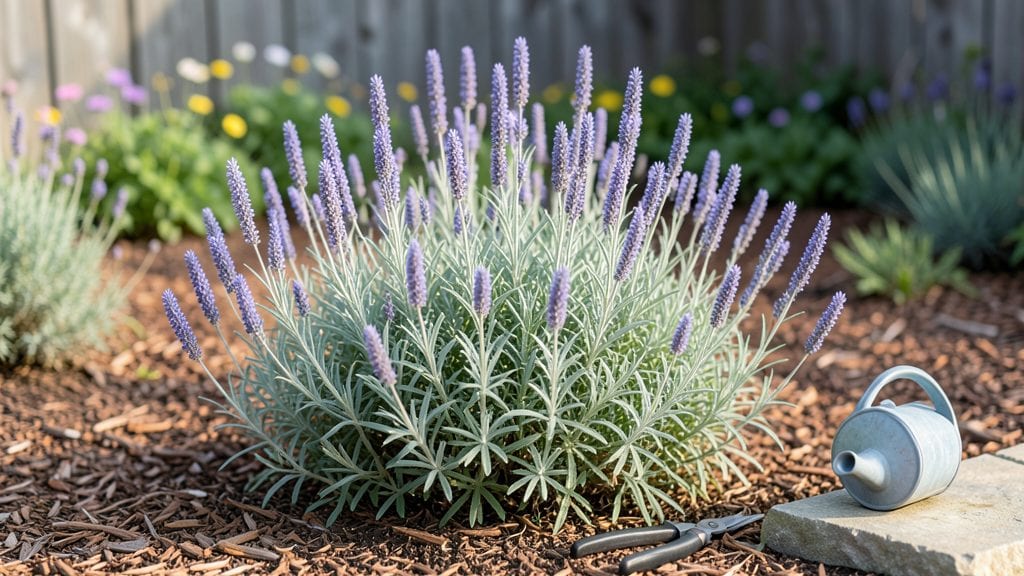
What most gardeners don’t realize is how these zones interact with Philadelphia’s humidity and rainfall patterns. The city’s average 40 inches of annual precipitation means drought-tolerant plants like lavender thrive in Zone 7a’s heat, while Zone 6b’s cooler, damper conditions suit hostas and ferns.
The key takeaway: your zone isn’t just about cold hardiness—it’s a snapshot of your garden’s entire growing environment. By accounting for these factors, you can push your zone’s limits with techniques like mulching, season extenders, or selecting native plants that already thrive in Philly’s conditions. 💫