
Pests
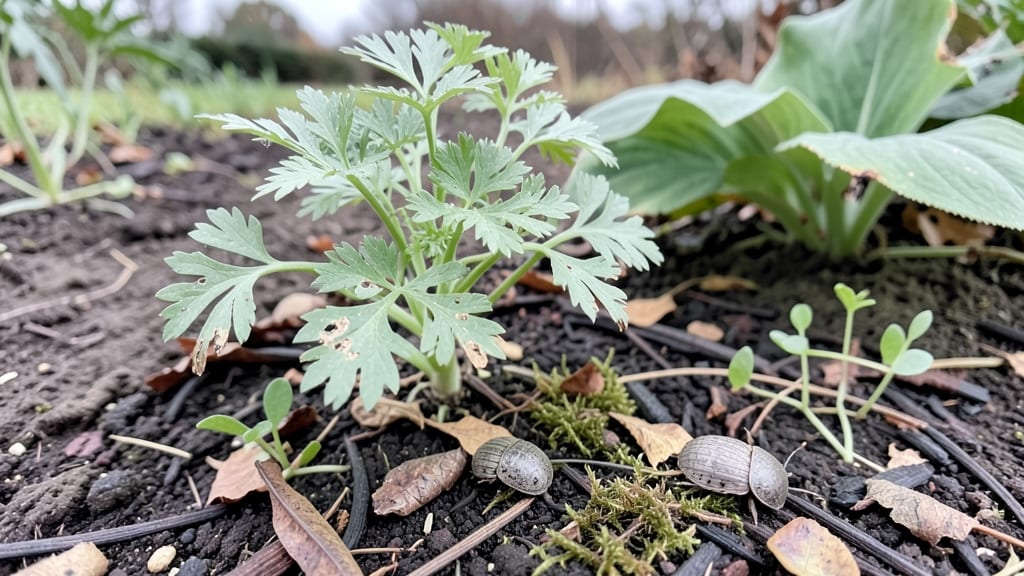
Pillbugs in your garden aren't the pests you think they are—until they start munching your seedlings. 🌱 I've spent years watching these little armored critters roll through my soil, and while they're mostly harmless, their appetite for tender young plants can turn problematic fast.
The key isn't eradicating them but redirecting their behavior with simple, chemical-free strategies that actually work.
Here's the thing—pillbugs thrive in damp, shady spots under rocks or mulch, where they decompose organic matter. That's their job, and honestly, we need them for that. The trouble starts when they decide your vegetable starts make better snacks than fallen leaves.
I've found that simple habitat tweaks—like reducing mulch thickness and keeping beds well-drained—cut their numbers by 70% without harming the ecosystem.
What you'll end up with is a garden where pillbugs stay in their proper place, breaking down debris instead of attacking your seedlings. The best part? These methods work in 5-7 days once implemented, and they're completely safe for kids and pets.
No more reaching for toxic sprays when a little rearrangement does the trick.
Works for both vegetable gardens and flower beds, in containers or in-ground plots. The same principles apply whether you're dealing with a few stragglers or a full-blown infestation. Let's get those pillbugs working for you instead of against you.
What Draws Pillbugs To Gardens
Pillbugs might seem like harmless little critters, but their presence in your garden can signal underlying issues that attract them in the first place. Understanding why they show up helps you address the root causes—so you can keep them out for good.
Let’s break down the key reasons these armored creatures invade your green space.
🌱 Moisture-rich soil & decaying organic matter
Pillbugs thrive in damp, humid environments because their exoskeletons require moisture to stay flexible. If your garden has:
- Overly wet soil (from poor drainage, excessive watering, or clay-heavy ground)
- Compost piles or leaf litter (their natural habitat)
- Decaying wood or mulch (a buffet of decomposing plant material)
They’ll flock to these spots like a free all-you-can-eat buffet. 🍽️ Actionable fix: Improve drainage with sand or gravel, reduce excess mulch, and store compost in sealed bins.
🍃 Overgrown or neglected garden areas
Pillbugs love hiding in dense vegetation, where they can:
- Feed on decomposing plant debris (like fallen leaves or rotting roots)
- Avoid predators (birds, frogs, and beetles that hunt them)
- Stay protected from drying winds
A garden with tall weeds, thick ground cover, or unpruned shrubs becomes their perfect hideout. Actionable fix: Regularly trim back overgrowth, clear dead plants, and keep pathways clear to reduce hiding spots.
🌡️ Humid or shady microclimates
Pillbugs prefer cooler, shadier spots because:
- They lose moisture quickly in dry, sunny conditions (their exoskeleton needs hydration).
- Shady areas retain moisture longer, making them ideal for foraging.
If your garden has:
- North-facing slopes or dense tree canopies
- Poor airflow (like between tightly packed plants)
- Dew-heavy mornings (their favorite time to forage)
They’ll stick around. Actionable fix: Prune trees to improve airflow, avoid overwatering in shady spots, and consider gravel paths to reduce humidity.
🍄 Fungal & algal food sources
Pillbugs aren’t just scavengers—they’re detritivores, meaning they eat fungi, algae, and decaying plant matter. If your garden has:
- Moss or algae growth (common in damp, shady areas)
- Fungal infections (like powdery mildew on plants)
- Old, rotting wood or bark mulch
They’ll see it as a five-star dining experience. Actionable fix: Remove fungal growth with neem oil or copper fungicides, replace old mulch with cedar (which repels them), and keep surfaces dry.
🏡 Human habits that invite them
Sometimes, we accidentally create the perfect pillbug paradise:
- Overwatering lawns or garden beds (they love soggy soil).
- Leaving fallen fruit or veggies (a protein-rich snack).
- Using thick, undisturbed mulch (like straw or grass clippings).
Actionable fix: Water deeply but infrequently, pick up fallen produce, and opt for pine straw or gravel mulch instead.
🐛 Lack of natural predators
Pillbugs have few enemies, but gardens with:
- Few birds, frogs, or ground beetles (their natural predators)
- No toads or salamanders (who snack on them)
- Chemical pesticides (which kill beneficial insects too)
Will see pillbug populations explode. Actionable fix: Attract predators with bird baths, native plants, and avoid broad-spectrum pesticides.
Key Takeaway: Pillbugs don’t just randomly appear—they’re drawn by moisture, food, shelter, and lack of competition. By fixing these issues, you’ll make your garden less appealing to them without resorting to harsh chemicals. 🚫💨
Simple Fixes for Garden Pillbug Woes
Pillbugs may seem harmless, but their presence can still be a nuisance—especially when they’re munching on your prized plants or leaving unsightly trails in your garden. The good news? You don’t need harsh chemicals to keep them in check.
Instead, try these natural, effective solutions tailored to the root causes of your pillbug problem. From quick fixes to long-term prevention, these methods will help you reclaim your garden without harming the environment.
🌱 Overcrowding? Relocate or Reduce Their Habitat
If your garden is packed with moist, decaying organic matter (like mulch or leaf litter), pillbugs will thrive there. Here’s how to manage their population:
- 🔥 Clear Debris Regularly
Remove fallen leaves, rotting wood, and thick mulch piles from garden beds, especially in shaded or damp areas. Pillbugs love these hiding spots, so reducing their real estate cuts down their numbers naturally.
- 🍳 Use Barriers in Key Areas
Protect young seedlings or delicate plants by creating a barrier of diatomaceous earth (food-grade) or crushed eggshells around the base. These abrasive materials dehydrate pillbugs on contact without harming plants.
- 👨🍳 Rethink Mulch Placement
If you love mulch, opt for coarser materials like pine straw or shredded bark, which dry out faster and deter pillbugs. Avoid fine, moisture-retaining mulches near plant roots.
💦 Too Much Moisture? Dry Out Their Favorite Spots
Pillbugs need humidity to survive. If your garden stays soggy, they’ll stick around. Try these tricks to dry things out:
- 🌡️ Improve Drainage
Amend heavy or compacted soil with compost or sand to help water drain faster. Avoid overwatering, especially in the evening—pillbugs love damp soil at night.
- ⏰ Water Smartly
Water plants early in the day so soil has time to dry before nightfall. Use drip irrigation or soaker hoses to target roots and minimize surface moisture.
- 🌿 Add Sun-Loving Plants
Plant drought-tolerant or full-sun plants (like lavender, rosemary, or marigolds) near problem areas. These plants thrive in drier conditions and make the environment less inviting for pillbugs.
🍽️ Pillbugs Eating Plants? Lure Them Away
If pillbugs are feasting on your veggies or flowers, redirect their attention with these bait-and-trap strategies:
- 🥘 Set Up Beer Traps
Dig small holes (about 6 inches deep) around your garden, fill them with beer, and leave them uncovered. Pillbugs are attracted to the yeast and will drown—easy cleanup in the morning!
- 🍎 Use Citrus or Coffee Grounds
Sprinkle dry citrus peels or used coffee grounds near entry points. Pillbugs dislike these scents and will avoid the area. Bonus: Coffee grounds also act as a natural fertilizer!
- 🎯 Create a Pillbug Hotel (Then Relocate)
Place a shallow tray filled with damp cardboard or sponge near their hotspots. Check it daily and release the pillbugs far from your garden (like in a wooded area).
🛡️ Prevention Tips to Keep Them Gone
Once you’ve tackled the current infestation, these proactive steps will help prevent pillbugs from moving back in:
- 💡 Rotate Plantings
Pillbugs target tender young plants. Space out plantings and avoid overcrowding to reduce their food sources.
- 🌿 Encourage Natural Predators
Birds, frogs, and ground beetles eat pillbugs. Attract them with a small water feature, native plants, or a diverse garden ecosystem.
- 🔥 Stay Vigilant in Shady Areas
Pillbugs love dark, damp corners. Keep these areas tidy and consider adding gravel or stepping stones to break up continuous mulch.
- ✨ Try Neem Oil Spray (Optional)
For stubborn cases, mix 1 tsp neem oil + 1 tsp mild soap in 1 quart of water and spray affected areas. It’s non-toxic but deters pillbugs effectively.
With these solutions, you’ll not only reduce pillbug numbers but also create a healthier, more balanced garden ecosystem. And the best part? No chemicals needed!
Frequently asked questions
Are pillbugs actually harmful to my garden?
Pillbugs are mostly harmless and actually help break down organic matter in your soil. However, if they target young seedlings or mulch piles, they can become a nuisance. Focus on redirecting their behavior rather than eliminating them entirely—this keeps your garden ecosystem balanced.
Why do pillbugs love damp areas so much?
Pillbugs need moisture to stay flexible and survive. Their exoskeletons dry out quickly in dry conditions, so they thrive in shady, damp spots like under mulch or near compost piles. Reducing excess moisture in these areas will naturally discourage them from lingering.
How do I tell if pillbugs are eating my plants?
Look for small, irregular holes in young leaves or chewed edges on tender stems. Pillbugs often target seedlings and mulch, so check these areas closely. If you spot damage, try barriers like diatomaceous earth or relocate them with damp cardboard traps.
Are beer traps safe for pets and kids?
Beer traps are completely safe when used correctly! Place them where pets or children can't access them, and empty them promptly. The yeast attracts pillbugs, but the beer itself won’t harm your garden or household—just keep it out of reach.
Will cedar mulch keep pillbugs away?
Yes! Cedar mulch naturally repels pillbugs because its scent disrupts their moisture retention. It also dries out faster than other mulches, making your garden less inviting for these critters. Try it as a long-term deterrent around problem areas.