
Pests
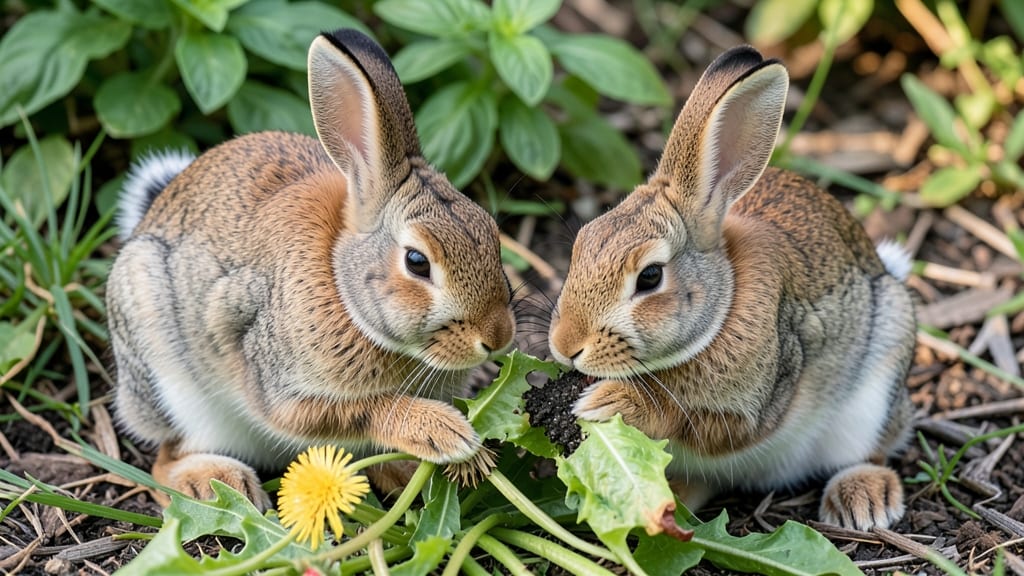
Rabbits eating garden plants can turn your hard work into a salad bar overnight—unless you act fast. 🌿 I’ve seen entire rows of lettuce and hostas vanish in a single night, and I’m here to tell you there are smarter ways to protect your garden than hoping for the best.
The key is combining physical barriers with rabbit behavior tricks. A simple 8-foot-tall fence with the bottom buried 6 inches deep stops most bunnies, but I’ve also used chicken wire wrapped around young plants—it’s cheap and effective. The secret weapon? Companion plants like rosemary or garlic, which rabbits dislike.
You’ll end up with a garden that stays lush while bunnies move on to easier targets. No more waking up to half-eaten tomatoes or chewed stems. The best part? These methods work for vegetable gardens, flower beds, and even herb patches without harsh chemicals.
Whether you’re dealing with a backyard infestation or just a few pesky visitors, these solutions scale from small containers to full-sized plots. Let’s get your garden back—and keep those fluffy thieves out for good.
Why it happens
Rabbits aren’t just wandering into your garden out of spite—they’re following their instincts, biology, and environmental cues. Understanding why they target your plants (and how to outsmart them) starts with recognizing the key factors that make your yard look like an all-you-can-eat buffet. 🐰🌱
🌿 Abundant, Tempting Food Sources
Rabbits are herbivores with a voracious appetite—up to 10% of their body weight daily in fresh greens. Your garden may be a magnet because:
- Soft, young plants are their favorite: Rabbits prefer tender shoots over woody stems. Think lettuce, basil, or newly sprouted veggies—these are like gourmet meals to them. 🥗🌱
- High-nutrient crops attract them: Plants like clover, dill, and peas are packed with proteins and vitamins, making them irresistible. Even ornamental plants like hostas or marigolds can’t resist their nibbles.
- Lack of natural competition: If your garden is the only green space around, rabbits will treat it like a desert oasis. Urban or suburban areas with manicured lawns (and no wild brush) force bunnies to rely on gardens for food.
🌳 Shelter and Hiding Spots Nearby
Rabbits are crepuscular (most active at dawn/dusk) and prefer to forage where they feel safe. If your garden has:
- Dense shrubs or tall grass: These provide cover for rabbits to watch and wait for predators (like hawks or foxes) before hopping in for a snack. 🦉🌿
- Low-lying bushes or mulch piles: Rabbits use these as resting spots during the day, then return to graze at night. A thick layer of mulch? Instant hideout.
- Adjacent wooded areas or fencerows: Wild rabbits live in warren colonies near edges of forests or fields. If your garden borders these, you’re in their direct path.
Pro Tip: 💡 If you’ve noticed chewed plants only at the edges of your garden, rabbits are likely hopping in from a nearby shelter—then bolting back before daylight.
🌙 Seasonal and Behavioral Patterns
Rabbits don’t raid gardens randomly—their behavior shifts with the seasons and life stages:
| Season | Why They’re Hungrier | What They Target |
|---|---|---|
| Spring | New plant growth = easy, nutrient-rich meals. Mothers also need extra food to feed nursing kits. | Seedlings, clover, dandelions, and tender perennials. |
| Summer | Hot weather forces them to graze at night to avoid predators. Dry soil also makes plants less palatable to them. | Succulents like squash, beans, and herbs (especially basil and parsley). |
| Fall | Rabbits bulk up for winter by eating 20-30% more. They also strip bark from young trees for calcium. | Root veggies (carrots, beets), bulbs, and woody stems. |
| Winter | Snow can protect plants from frost, making them softer and more accessible under a light dusting. | Evergreens (like boxwood), stored root crops, and bark from fruit trees. |
Key Insight: ✨ If rabbits are suddenly more aggressive in late winter, they’re likely starving after a harsh season—meaning your garden is now a critical survival resource.
🚫 Lack of Natural Predators
In the wild, rabbits avoid open areas due to predators like coyotes, foxes, and birds of prey. But in suburban gardens:
- Fewer natural threats mean bunnies feel safer exploring your yard. If you’ve ever seen a rabbit freeze mid-bite, it’s not being shy—it’s scanning for danger.
- Overgrown yards with hiding spots give them escape routes. A neatly trimmed lawn? No cover = no confidence.
- Human activity scares predators away: Dogs barking or kids playing can drive off foxes or owls, leaving rabbits unchecked.
Fun Fact: 🦉 Rabbits have 360-degree vision (except a small blind spot directly in front of them). If they don’t see a threat, they’ll stay—and keep munching.
Stop Rabbits from Ruining Your Garden
Now that you understand why rabbits are feasting on your garden like an all-you-can-eat buffet, let’s tackle the problem head-on with practical, rabbit-proofing solutions tailored to the most common causes.
Whether your garden is a gourmet smorgasbord or simply an easy target, these fixes will help you reclaim your green space—without resorting to harsh chemicals or expensive fences.
🔥 If Rabbits Are Drawn to Tender Young Plants
Rabbits love fresh, soft greens, especially seedlings and new growth. Solution: Make your plants less appealing or harder to reach.
🌱 Use Physical Barriers Early
- Plant Collars: Wrap young plants with chicken wire, hardware cloth, or even plastic milk jugs (cut in half and buried slightly). Rabbits can’t nibble what they can’t access!
- Pro Tip: 💡 Bury the collar 2–3 inches deep—rabbits can dig under shallow barriers.
- Row Covers: Lightweight floating row covers (like Reemay fabric) let sunlight and water through but block rabbits. Secure edges with rocks or soil.
- Cage Protection: For high-value plants, use wire cages (like those for artichokes) over individual plants.
🌿 Plant Rabbit-Resistant Alternatives
Swap vulnerable plants with rabbit-deterrent varieties:
- Herbs: Rosemary, thyme, sage, oregano (rabbits usually avoid strong scents).
- Flowers: Marigolds, snapdragons, and lavender (bitter or pungent smells).
- Vegetables: Leafy greens like kale or Swiss chard can be replaced with broccoli, Brussels sprouts, or peppers (less appealing to bunnies).
🌙 Disrupt Their Grazing Patterns
- Scare Tactics: Place reflective objects (old CDs, aluminum pie pans) near plants. The movement catches their attention.
- Motion-Activated Sprinklers: Devices like ScareCrow spray water when rabbits approach—startling them away.
🍳 If Rabbits Are Digging Under Fences
Rabbits are master escape artists, especially if your fence isn’t buried deep enough. Solution: Fortify your defenses like a fortress.
🏗️ Bury Fences Properly
- Depth Matters: Fences should extend at least 12 inches below ground (rabbits dig 6–12 inches deep).
- Pro Tip: 🔥 Use bendable hardware cloth (not chicken wire—rabbits can chew through it) and bend the bottom outward to prevent digging.
- Extend Above Ground Too: Fences should be at least 2 feet tall (rabbits can jump 1–2 feet).
🌍 Create a "Rabbit Moat"
- Dig a narrow trench (6–8 inches wide, 12 inches deep) around your garden and fill it with rocks or gravel. Rabbits hate jumping into loose materials.
- Alternative: Plant thorny bushes (like barberry or roses) along the perimeter—rabbits avoid prickly obstacles.
🌑 Use Natural Deterrents
- Spices & Repellents: Sprinkle crushed red pepper flakes, garlic, or cayenne pepper near the fence line. Reapply after rain.
- Predator Urine: Soak cotton balls in predator urine (coyote or fox) and place them around the garden. The scent signals danger.
👨🍳 If Rabbits Are Boldly Hopping Over Low Barriers
Some rabbits are confident jumpers, especially if they’ve never faced resistance. Solution: Make jumping a bad idea.
🏆 Install a Double Fence
- A second inner fence (12–18 inches from the outer fence) confuses rabbits and reduces their jumping attempts. They’ll often give up if they can’t see the other side.
- Pro Tip: ✨ Use temporary fencing (like electric tape) for a few weeks to train rabbits to avoid the area.
🌪️ Add Wind or Noise Deterrents
- Wind Chimes or Pinwheels: The movement and noise can startle rabbits into avoiding the area.
- Old CDs or Pie Plates: Hang them on strings near the fence—they reflect light and create unpredictable movement.
🌿 Plant a "Rabbit Buffer Zone"
Create a no-man’s-land of rabbit-unfriendly plants (like boxwood, holly, or yarrow) between your fence and garden. The scent and texture will discourage them from lingering.
⏰ If Rabbits Are Back Every Season
Persistence means you need long-term, low-maintenance solutions.
🌡️ Install an Electric Fence (Safe & Effective)
- A single-wire electric fence (1–2 inches high) with a low-voltage charge (like a cattle prod for rabbits) is highly effective.
- Pro Tip: 🎯 Use insulated wire and solar-powered chargers for easy setup.
- Warning: Never use lethal traps—humane deterrents work just as well!
🏡 Build a Rabbit-Proof Greenhouse
For high-value gardens, a small greenhouse or cold frame keeps plants safe from pests. Even a DIY hoop house with wire mesh works.
🌙 Schedule Strategic Planting
- Delay planting until after rabbits have had their fill (late spring/early summer).
- Use raised beds with wire mesh sides—rabbits can’t dig underneath.
🔐 Prevention Tips for Next Season
Once your garden is rabbit-free, lock in those defenses with these long-term strategies:
- 🌱 Rotate Plant Locations: Rabbits remember favorite spots—move vulnerable plants yearly.
- 🌿 Keep Grass Short: Long grass provides hiding spots—mow regularly.
- 🐇 Remove Rabbit Hideouts: Clear brush piles, wood stacks, and dense shrubs where rabbits nest.
- 🌙 Use a Garden Guard Dog (Literally): A livestock guardian dog (like a Great Pyrenees) can patrol your yard naturally.
- 📅 Set a Trap & Relocate Program: If you have a small, persistent rabbit, catch it in a humane live trap and relocate it 5+ miles away (check local laws first).
Final Thought: Rabbits are clever, but they’re not invincible. Combine physical barriers, scent deterrents, and smart planting for a garden they’ll think twice about visiting. Start with one or two solutions, monitor what works, and scale up—your greens will thank you! 🥬🐰🚫
Frequently asked questions
How can I tell if rabbits are damaging my garden?
Look for clean, straight-edged cuts on stems or leaves—rabbits have sharp incisors that create precise nibbles. They often target tender young plants, leaving behind shredded or chewed edges rather than messy, jagged bites from other pests. Check for signs like digging near plants or droppings near affected areas.
Are there plants rabbits naturally avoid?
Rabbits dislike strong scents and textures. Plant rosemary, thyme, or lavender as natural deterrents—their fragrance keeps bunnies away. For veggies, opt for broccoli, Brussels sprouts, or peppers instead of lettuce or basil, which they adore.
Will a simple fence stop rabbits?
A basic fence won’t cut it—rabbits can dig under shallow barriers or jump 2 feet high. For best results, use hardware cloth buried 12 inches deep and extend it to 2 feet tall. Add a second inner fence for extra protection.
Are there humane ways to relocate rabbits?
Yes! Use a humane live trap to catch rabbits, then release them 5+ miles away from your garden. Always check local laws first—some areas require permits. Avoid lethal traps; relocation is kinder and more effective long-term.
How do I keep rabbits away without chemicals?
Try natural deterrents like predator urine (coyote or fox) or crushed red pepper around plants. Motion-activated sprinklers or reflective objects (like CDs) also work. Pair these with physical barriers for the best results.