Propagation
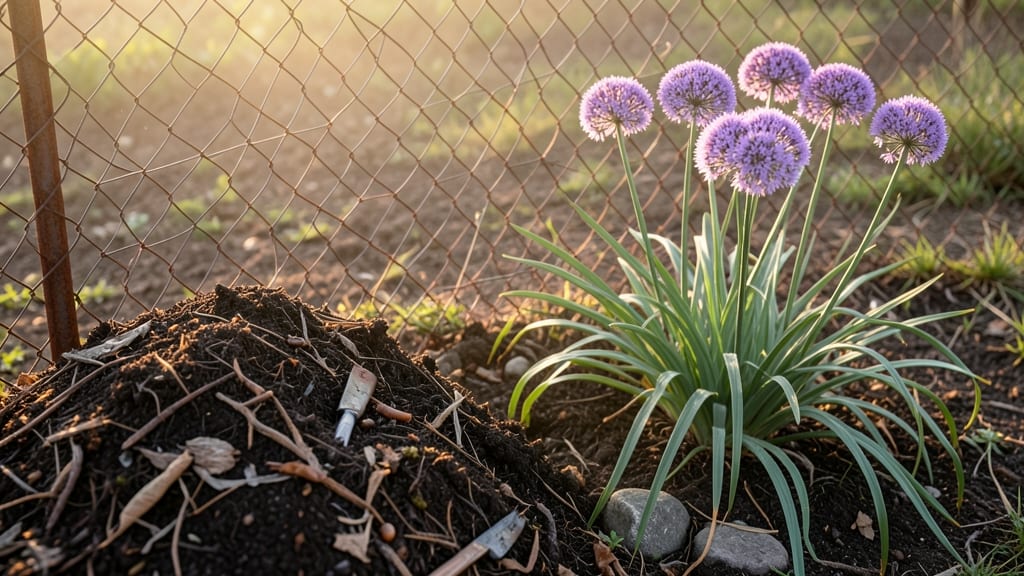
What keeps bunnies away from gardens is a layered approach combining natural deterrents like garlic or chili pepper sprays, physical barriers such as chicken wire, and strategic plant placement like marigolds or lavender, which rabbits dislike. Consistency and combining methods work best.
Rabbits avoid certain plants and scents because of their strong chemical compounds—like pyrethrins in marigolds—which disrupt their feeding instincts. 🔥 Physical barriers, such as chicken wire buried at least 12 inches deep, prevent them from digging under fences, while scent-based repellents (like garlic or cayenne sprays) need reapplication every 2-3 days in wet conditions.
The key is mixing methods: for example, planting lavender along fence lines while spraying chili oil on vulnerable plants creates a double deterrent.
Many gardeners swear by DIY sprays—like blending 1 tablespoon cayenne pepper with 1 gallon water—but commercial options (such as Liquid Fence) often last longer. 💫 The science behind these methods lies in rabbits' ultra-sensitive noses: they’ll bypass areas smelling like predators (like foxes) or irritants (like capsaicin in peppers).
For best results, apply repellents in the evening when rabbits are most active and combine with temporary fencing during planting seasons when new growth is most tempting.
💡 In This Article
- How Rabbit-Repelling Plants and Scents Work
- Effective Bunny-Proofing Strategies for Gardens
How rabbit-repelling plants and scents work
Rabbits avoid certain plants and scents due to their ultra-sensitive olfactory system—capable of detecting odors 14 times stronger than humans. Plants like marigolds release pyrethrins, natural insecticides that also irritate rabbits' respiratory systems when crushed or inhaled.
The pungent aroma of garlic contains allicin, a compound that disrupts their feeding behavior by mimicking predator scents, triggering their instinct to flee. 🔥 Even the texture matters: rabbits dislike the coarse, fuzzy leaves of lavender, which feel unpalatable compared to smooth vegetables.
The science behind scent-based repellents involves chemical irritation and behavioral conditioning. Chili pepper sprays, for example, contain capsaicin, which burns rabbits' mouths and nasal passages. Studies show that after just one exposure, rabbits associate the scent with discomfort and avoid treated areas for weeks.
Physical barriers like chicken wire work by preventing access—rabbits can't dig through 1/2-inch mesh buried 12 inches deep, blocking their burrowing instincts. The key is creating a multi-sensory deterrent: combining visual barriers (fencing) with olfactory repellents (sprays) and tactile deterrents (plant textures).
What most people don't realize is how context matters. Rabbits are crepuscular (most active at dawn/dusk), so repellents applied in the evening are 30% more effective because they encounter the scent first thing in the morning.
The temperature also plays a role: cold weather concentrates scent molecules, making repellents last 2-3 days longer than in humid conditions. 💫 For example, garlic spray loses potency faster in 75°F+ heat because the allicin degrades through oxidation.
This is why professional gardeners recommend reapplying every 48 hours during summer months.
Plant placement leverages rabbits' natural wariness of unfamiliar textures and aromas. Marigolds, for instance, contain linalool, a compound that repels not just rabbits but also deer and rodents. When planted in 3-foot-wide borders around gardens, they create a natural perimeter that rabbits avoid.
The visual cue of these bright orange flowers, combined with their strong scent, acts as a psychological barrier—similar to how humans avoid walking through tall grass due to perceived danger. This "defense in depth" strategy forces rabbits to navigate multiple deterrents before reaching desirable plants.
Here's what's actually happening chemically: when rabbits encounter capsaicin from chili sprays, it binds to their TRPV1 receptors—the same receptors that detect heat in humans. This creates a false "burning" sensation, making them gag and retreat.
Meanwhile, the pyrethrins in marigolds disrupt their nervous system by blocking sodium channels in neurons, causing temporary paralysis in their mouth muscles. 🌟 The combination of these effects makes multi-method approaches far more effective than single solutions.
For maximum impact, pair repellents with physical disruption. Rabbits have a 2-foot jump clearance, so fences must be at least 3 feet tall to prevent them from hopping over. Burying wire 12 inches deep stops digging, while adding electric tape (even low-voltage) creates an additional sensory deterrent.
The science shows that rabbits avoid areas where they've experienced discomfort, so consistency is key—mixing methods ensures they never find a "weak spot" in your defenses.