
Flowers
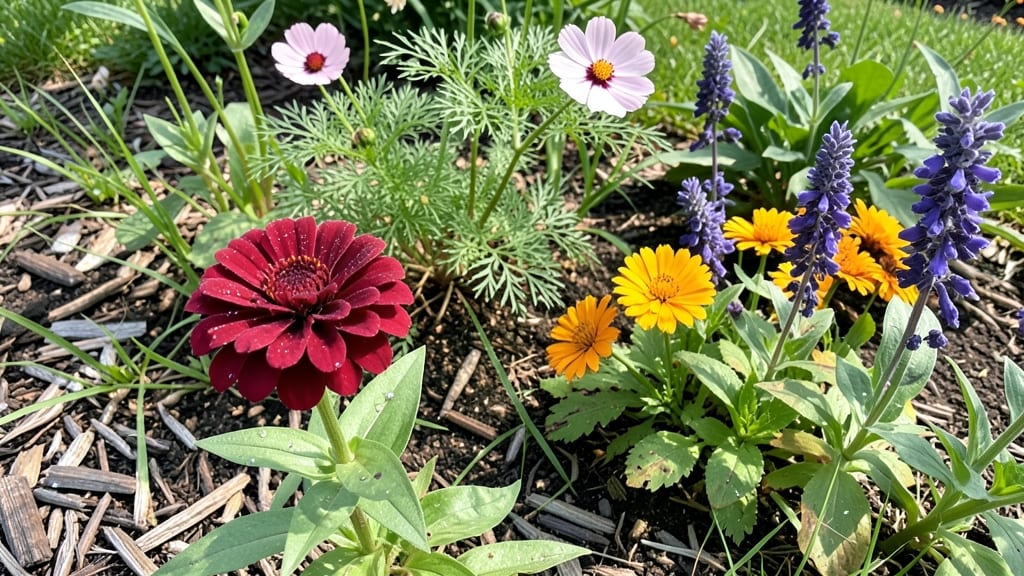
A rainbow garden full of flowers isn’t just pretty—it’s a living work of art that keeps blooming from spring through frost. 🌈 I designed mine after realizing most gardens stuck to pastels or single colors, but why not have every shade from violet to orange in one space?
The key is mixing perennials that return year after year with annuals that fill gaps, plus a few bulbs for early spring pops.
Start with bold perennials like black-eyed Susans for gold, purple coneflowers for magenta, and Russian sage for lavender-blue. Add annuals like snapdragons (every color imaginable) and zinnias for pops of coral and crimson.
Tuck in bulbs like tulips and daffodils for February-March color before perennials wake up. The secret? Plant in 3-foot blocks of single colors—it makes gradients pop without looking chaotic.
By summer, your garden will buzz with bees and butterflies, drawn by the nonstop nectar. The foliage becomes part of the show too—silver lamb's ear contrasts with deep purple salvia, and ferns add soft green accents.
Even in winter, seed heads like coneflowers and asters add texture. It's not just pretty; it's a thriving ecosystem that keeps giving.
Works in any size space—containers on a patio, a full backyard, or even a community garden plot. The only rule? Let colors guide your layout rather than forcing symmetry. Here's how to make it happen without the overwhelm of constant deadheading or replanting.
📚 In This Guide
- What you need
- Instructions
- Tips and common mistakes
- Wrapping up and next steps
What you need
- ● Native or pollinator-friendly flower seeds/seedlings: 10–20 bee balm (Monarda) plants (red, pink, or purple)
- ● 10–15 coneflowers (Echinacea) (purple, white, or yellow)
- ● 10–12 black-eyed Susans (Rudbeckia) (golden-yellow)
- ● 8–10 butterfly weed (Asclepias tuberosa) (orange-red)
- ● 5–8 salvia (Salvia spp.) (blue, purple, or white)
- ● 5–7 lupines (Lupinus) (blue, purple, or yellow)
- ● 5 hollyhocks (Alcea rosea) (pink, white, or lavender)
- ● 3–5 marigolds (Tagetes) (orange or yellow)
- ● Soil amendments: 5 lbs compost (for enriching soil)
- ○ 1 lb slow-release fertilizer (10-10-10) (optional, for nutrient boost)
- ● Mulch: 2–3 bags organic mulch (e.g., shredded bark or straw)
- ● Garden trowel or hand shovel
- ● Pruning shears (for trimming dead blooms)
- ● Garden gloves (to protect your hands)
- ● Watering can or hose with a gentle spray nozzle
- ● Measuring tape (for spacing plants)
- ○ Optional: Raised garden bed kit (if planting in containers or elevated beds)
- ● A sunny spot in your yard with at least 6–8 hours of sunlight daily.
- ● Well-draining soil (amend with compost if your soil is heavy or clay-like).
- ● Access to water (a nearby hose or irrigation system).
- ● Pro tip: Research native plants in your region for the best pollinator appeal! 💡
How to design a rainbow flower garden that blooms year-round
Here's my foolproof method for creating a vibrant, pollinator-friendly garden that delivers color from spring through frost.
🌱 Step 1: Plan Your Color Palette and Plant Placement
Start by sketching your garden space on paper, dividing it into four distinct sections based on sunlight exposure: full sun, partial shade, full shade, and a pollinator zone. I like to dedicate the sunniest spot to bold annuals like zinnias and marigolds, while partial shade gets perennials like asters and black-eyed Susans. The shady corner should feature hellebores and bleeding hearts for early spring color.
For year-round interest, stagger bloom times by selecting plants that flower in sequence. Early spring bulbs like daffodils and tulips give way to peonies in late spring, then summer bloomers like coneflowers and dahlias take over, with late-season asters and chrysanthemums extending the show into fall. Place taller plants toward the back and shorter ones in front, creating natural layers that draw the eye.
☀️ Step 2: Prepare the Soil for Vibrant Blooms
Test your soil's pH and amend it to a slightly acidic range (6.0-6.5) for most flowers, using the 5 pounds of composted manure and 2 pounds of bone meal you've gathered. Work these amendments into the top 12 inches of soil, mixing thoroughly with a garden fork. The goal is loose, well-draining soil that holds moisture without becoming waterlogged.
Spread a 2-inch layer of mulch over the amended soil to suppress weeds, retain moisture, and regulate soil temperature. I use shredded hardwood mulch because it breaks down slowly and adds organic matter as it decomposes. Keep the mulch 2-3 inches away from plant stems to prevent rot and create a clean, professional look.
🌿 Step 3: Plant for Continuous Color and Pollinator Support
Begin planting with your early spring bloomers, spacing them according to their mature size. For example, tulips need about 4-6 inches between bulbs, while peonies require 3-4 feet of space to thrive. I like to plant in odd-numbered groupings (3, 5, or 7 plants) for a more natural, abundant look rather than straight rows.
As each wave of blooms finishes, add the next layer of plants. For instance, after your tulips fade, plant summer annuals like sunflowers and cosmos around them. These will bridge the gap until your perennials take over. Include a variety of flower shapes and sizes to attract different pollinators—flat-faced flowers for bees, tubular flowers for hummingbirds, and open blooms for butterflies.
💧 Step 4: Water and Maintain for Long-Lasting Beauty
Water deeply once a week, providing about 1 inch of water per session. The best time to water is early morning so the foliage has time to dry before evening, reducing the risk of fungal diseases. I use a soaker hose to deliver water directly to the roots, minimizing waste and keeping leaves dry. Check the soil moisture by sticking your finger 2 inches down—if it feels dry, it's time to water.
Deadhead spent blooms regularly to encourage more flowers and extend the season. For perennials, cut back foliage in late fall or early spring, leaving about 6 inches of stem to protect the crown. Apply a 2-inch layer of fresh mulch each spring to replenish organic matter and keep weeds at bay. This simple maintenance keeps your rainbow garden looking vibrant with minimal effort.
✂️ Step 5: Extend the Season with Strategic Additions
To keep color flowing into fall and winter, plant late-season bloomers like chrysanthemums and ornamental kale. These cold-hardy plants will continue producing color even as temperatures drop. For winter interest, add evergreen shrubs like boxwood or holly, and structural plants like ornamental grasses that catch the light and add texture.
Don't forget to include some winter-blooming plants like hellebores and witch hazel for early spring color. These will break the winter monotony and signal the return of growing season. By carefully selecting plants that bloom at different times, you'll create a garden that's always in season and always beautiful.
Tips & tricks for perfect rainbow garden flowers
Creating a vibrant rainbow garden takes more than just planting colorful flowers—it's about strategic planning and maintenance that keeps your garden thriving all year. Here are my go-to tips to ensure your rainbow garden stays as stunning as it looks on paper.
Sunlight Mapping: In Step 1, when dividing your garden into sun exposure zones, use a simple test first. Place a white piece of paper in each potential area for a full day—mark where shadows fall and how long they last. This helps you accurately assign plants to their ideal sunlight conditions. I've found that even small differences in sunlight exposure can make a huge impact on bloom quality and plant health.
Soil Test First: Before amending your soil in Step 2, conduct a proper pH test using a soil kit from your garden center. The goal is that slightly acidic range (6.0-6.5), but some flowers like hydrangeas actually prefer more acidic soil (5.0-5.5). Adjust your amendments accordingly—this makes all the difference in vibrant blooms versus lackluster growth. The 5 pounds of composted manure and 2 pounds of bone meal you're using are perfect for most flowers, but test first!
Pollinator Plant Placement: When arranging your pollinator zone in Step 3, create "pollinator highways" by placing nectar-rich flowers in straight lines or borders. This gives bees, butterflies, and hummingbirds clear paths through your garden. I like to plant clumps of lavender along pathways—it's beautiful, fragrant, and attracts pollinators while keeping them away from more delicate flowers.
Seasonal Transition Strategy: For the seasonal layering in Step 5, I recommend keeping a simple planting calendar. Note when each plant typically blooms and finishes, then schedule your additions accordingly. This prevents gaps in your rainbow display and ensures you're always adding something new. For example, when your tulips finish in late spring, have your peonies already established to take over.
Pro Tips for Rainbow Garden Flowers
- Creating a vibrant rainbow garden takes more than just planting colorful flowers—it's about strategic planning and maintenance that keeps your garden thriving all year.
- Sunlight Mapping: In Step 1, when dividing your garden into sun exposure zones, use a simple test first.
- Soil Test First: Before amending your soil in Step 2, conduct a proper pH test using a soil kit from your garden center.
Frequently asked questions
Got questions about creating a dazzling rainbow garden? You’re not alone! Here are some common queries—and their answers—to help you grow a vibrant, pollinator-friendly space with ease.
What’s the best time of year to plant rainbow garden flowers?
Most annual rainbow flowers (like zinnias, cosmos, or marigolds) thrive when planted in early spring after the last frost. Perennials (e.g., coneflowers, black-eyed Susans) can go in spring or fall for established roots. Check your USDA zone for local timing—cool seasons (spring/fall) often yield the best results!
How do I attract more pollinators to my rainbow garden?
Pollinators love diversity! Plant native flowers (e.g., milkweed, lavender, or bee balm) alongside your rainbow picks. Add water sources (shallow dishes with rocks) and avoid pesticides. Early bloomers (like crocus) + late-season flowers (e.g., asters) keep bees and butterflies fed year-round. Pro tip: Let some flowers go to seed—they’re pollinator buffets!
Can I grow rainbow garden flowers in containers or small spaces?
Opt for compact varieties like dwarf zinnias, pansy mixes, or nasturtiums, which thrive in pots (5+ inches deep). Use well-draining soil with added compost, and place containers in sunny spots (6+ hours of light). Vertical gardens (e.g., hanging baskets with lobelia) maximize space while adding color!
Why aren’t my rainbow flowers blooming as expected?
Bloom struggles often stem from light, water, or nutrition issues. Check if your flowers get enough sun (most rainbow blooms need full sun). Over-fertilizing can lead to lush leaves but few flowers—use a balanced, low-nitrogen fertilizer instead. Deadhead spent blooms regularly to encourage new growth. Still struggling? Test your soil pH (most rainbow flowers prefer 6.0–7.0).
What are some low-maintenance rainbow flower alternatives?
If you want color without fuss, try:
- Self-seeding annuals: Cosmos, calendula, or larkspur—they replant themselves!
- Drought-tolerant perennials: Russian sage, sedum, or salvia (need minimal water).
- Ground covers: Creeping thyme or ajuga add color + suppress weeds.
These pollinator magnets handle neglect better than high-maintenance roses!
Wrapping up and next steps
Transforming your garden into a vibrant rainbow haven isn’t just about beauty—it’s a celebration of life, color, and the buzzing energy of pollinators! 🌈 With the right flowers, year-round blooms, and a little planning, you’ve got everything you need to create a thriving ecosystem that delights both you and nature’s tiny helpers.
Ready to take the next step? Start small—pick one or two pollinator-friendly flowers from this list and plant them this weekend. Watch as your garden bursts into color, hums with activity, and becomes a sanctuary for bees, butterflies, and birds. Your future rainbow garden awaits—let’s make it bloom! 🌸