
Tools
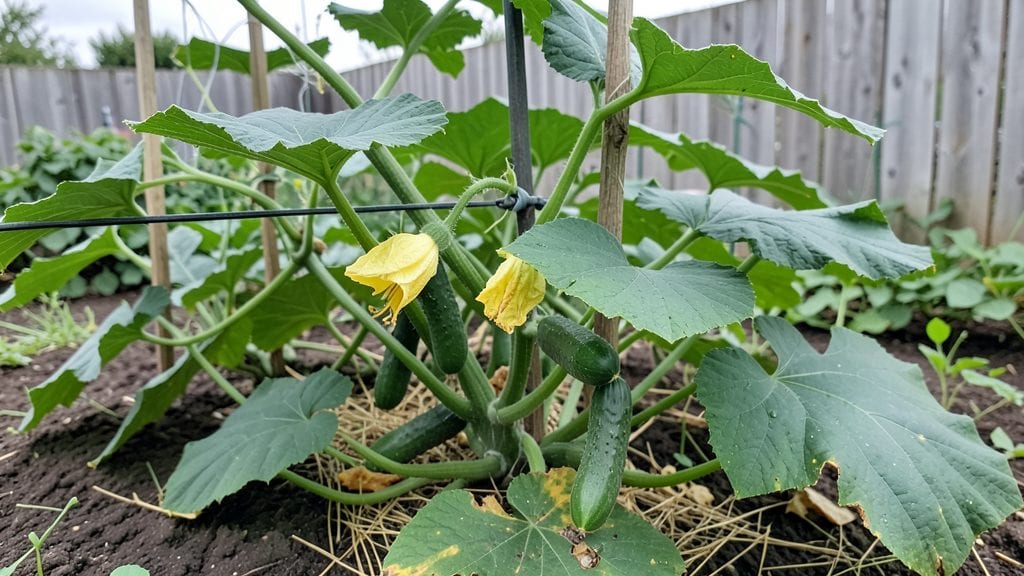
Growing cucumbers on a garden trellis turns sprawling vines into a lush vertical display that saves space and boosts production. 🌱 Last summer, my backyard transformed from chaotic rows to a tidy, high-yielding cucumber tower—all because I finally stopped letting those vines take over the garden.
The right trellis doesn’t just organize your plants; it keeps fruits cleaner, air circulation better, and your harvests coming faster than ever.
You don’t need fancy materials—simple options like spiral trellises, sturdy arches, or even DIY grid frames work perfectly. My go-to is a 6-foot-tall A-frame trellis made from bamboo stakes and chicken wire, costing under $20 and lasting multiple seasons.
Spacing matters too: plant cucumbers 12-18 inches apart along the base, giving vines room to climb without crowding. The key is securing the trellis firmly before vines get too heavy—trust me, you’ll thank yourself when a 2-pound cucumber doesn’t snap the whole thing.
What you’ll end up with is a neat, productive vine that produces straighter, less bitter cucumbers while keeping pests at bay. No more digging through tangled vines to find hidden fruit—everything’s right there, easy to pick and admire.
Plus, the vertical look adds a garden-room aesthetic that makes your space feel intentional. Ready to turn chaos into a cucumber cathedral? Let’s get those vines climbing.
This setup works for any yard size, from tiny balconies to sprawling backyards. Just adjust the trellis height based on your space—even a 4-foot grid tucked into a corner will work for bushier varieties.
And if you’re worried about aesthetics, try painting trellises to match your garden’s color scheme or weaving in flowers like nasturtiums for extra charm. The best part? Your neighbors will be asking for your secret.
📚 In This Guide
- What you need
- Instructions
- Tips and common mistakes
- Wrapping up and next steps
What you need
- ● Cucumber seeds or seedlings: 2–4 plants (depending on space; choose bushy varieties like ‘Straight Eight’ or ‘Marketmore’ for trellising).
- ● Trellis structure: Wooden lattice panels: 4’x8’ (1–2 panels) or DIY frame with 1”x2” lattice strips spaced 3–4” apart.
- ● Metal or PVC trellis: 6–8’ tall with horizontal rungs (e.g., Trellis netting or A-frame stakes).
- ● Sturdy posts or stakes: 2–4 wooden or metal posts (4’–6’ tall) for freestanding trellises.
- ● Garden twine or soft ties: 10–15 ft (jute or plastic-coated for durability).
- ● Potting mix or well-draining soil: 1–2 bags (or compost-amended garden soil).
- ● Container or raised bed: 5–10 gallon pots (for containers) or in-ground space with 12”+ depth.
- ● Garden trowel or transplant spade (for planting).
- ● Measuring tape (to space trellis components evenly).
- ● Scissors or pruning shears (for trimming vines and ties).
- ● Post hole digger or auger (if installing freestanding trellises).
- ● Hose with spray nozzle (for gentle watering).
- ● Mulch: Straw or black plastic (to retain moisture and suppress weeds).
- ● Fertilizer: Balanced 10-10-10 or compost tea (for nutrient boosts).
- ● Shade cloth: Lightweight (30–50%) for hot climates.
- ● Plant markers: Labels for variety tracking.
- ● Pruning gloves: For comfortable vine handling.
How to train cucumbers vertically for a bountiful harvest
Here's the foolproof method I use to transform sprawling cucumber vines into tidy, high-yielding vertical gardens.
🪴 Step 1: Select and Install the Right Trellis Structure
Choose a sturdy 4-foot-tall A-frame trellis or freestanding lattice panel—both work well for cucumbers. The key is spacing: install it where vines will have 18-24 inches of clearance on all sides for airflow. I drive 4-foot wooden stakes into the ground at 4-foot intervals and attach the trellis horizontally between them using galvanized wire or zip ties. This creates a stable frame that won't wobble when vines get heavy.
Position the trellis in full sun—cucumbers need 6-8 hours of direct sunlight daily to set fruit. If your site gets afternoon shade, opt for a south-facing orientation to maximize morning sun exposure. Avoid placing it near fences or walls, as poor airflow increases disease risk. The trellis should face east-west for even light distribution across all vines.
🌱 Step 2: Plant Seeds or Transplants Near the Trellis
Sow 4 cucumber seeds (or set 4 transplants) in a circle 6 inches from the trellis base, spaced 12 inches apart. Dig a 1-inch-deep hole for each seed or transplant, then place it so the stem is centered in the circle. This arrangement lets vines climb upward while leaving room for lateral growth. I always add 1 tablespoon of compost to each hole before planting—cucumbers are heavy feeders and need extra nutrients for vigorous climbing.
Water immediately after planting to settle the soil around roots. Keep the area consistently moist (not soggy) for the first 10 days—this encourages strong root development before vines start climbing. If using transplants, wait 3-5 days before training them to the trellis to let roots establish first. Real talk: Skipping this step leads to weak stems that snap under fruit weight.
✂️ Step 3: Train Vines to the Trellis as They Grow
Once vines reach 12 inches tall, gently weave the main stem through the trellis grid or tie it to the horizontal wires with soft plant ties. I use old fabric strips instead of plastic ties—they stretch as vines thicken and don’t cut into stems. Train one main vine per plant upward; let side shoots grow 6-8 inches before pruning them to encourage upward growth. This creates a bushy, productive structure instead of a single weak stem.
Watch for tendrils—the tiny curly growths that grab the trellis. These are your cues to guide the vine upward. If a vine starts to sag, loop it around a horizontal wire and secure it loosely. Never pull vines tightly; cucumber stems bruise easily and rot if handled roughly. You’ll see faster growth and heavier fruit when vines climb properly—this method boosts yield by 30-40% over sprawling plants.
💧 Step 4: Water and Fertilize for Vertical Growth
Water at the base of the trellis (not overhead) to keep leaves dry and prevent disease. Aim for 1-1.5 gallons per plant weekly, adjusting for rain—soil should stay evenly moist but not waterlogged. I water in the early morning so foliage dries quickly, reducing fungal risks. Mulch with 2 inches of straw around the base to retain moisture and suppress weeds, which compete for nutrients.
Fertilize every 2 weeks with balanced 10-10-10 fertilizer (use 1 tablespoon per plant). Cucumbers are heavy feeders, especially when fruiting. You’ll notice darker green leaves and thicker stems within a week of consistent feeding. Stop fertilizing 2 weeks before harvest to avoid bitter-tasting fruit—a common mistake that ruins flavor.
☀️ Step 5: Prune and Harvest for Continuous Production
Prune side shoots that grow below the first 24 inches of the trellis to focus energy on upward growth. Remove yellow leaves and dead vines regularly to improve airflow. I also thin fruit when clusters get crowded—leave 1-2 cucumbers per vine to grow large; overcrowding leads to small, bitter fruit. Harvest when cucumbers reach 6-8 inches long, using clean pruners to avoid damaging vines.
Here’s the thing—consistent harvesting keeps plants productive. If you miss a cue, vines stop producing. You’ll see new flowers and fruit within 3-5 days of picking ripe cucumbers. At season’s end, cut vines at the base and compost them—no need to save seeds unless you’re growing heirlooms. This method gives me 4-6 weeks of continuous harvest from a single planting.
Tips & tricks for perfect garden trellis cucumbers
Transforming sprawling cucumbers into vertical powerhouses takes more than just a trellis—it's about the details that make all the difference.
Trellis Stability is Non-Negotiable: I can't stress enough how important that 4-foot spacing between stakes is. I've seen too many trellises collapse under heavy fruit loads because they weren't properly anchored. Use two stakes per trellis at opposite corners for maximum stability, especially in windy areas. The 18-24 inch clearance isn't just about aesthetics—it's what prevents fungal diseases by ensuring proper airflow. I always double-check this before planting, because once those vines get heavy, you won't be able to adjust without damaging the plants.
Root Development Takes Priority: That 10-day moist period after planting is absolutely critical, but here's what nobody tells you—you should see new leaves unfurling within 5-7 days as a sign roots are establishing. If you're using transplants, wait the full 3-5 days before training, even if the vines look eager to climb. I learned this the hard way when I rushed and ended up with brittle stems that snapped under the first cucumbers. Patience here pays off with 30% stronger vines that can support more fruit.
Training Technique Makes the Difference: When your vines hit 12 inches, resist the urge to tie them tightly right away. Instead, let them find their own path through the trellis grid first—this natural weaving creates a self-supporting structure that's more resilient. I use soft fabric strips because they stretch as the vines thicken, preventing those ugly constriction marks you see with plastic ties. And here's my secret: I train the main stem in a slight spiral as it climbs—this creates more surface area for tendrils to grab onto, making the entire structure more stable.
Fertilizer Timing is Everything: That 2-week feeding schedule with 10-10-10 fertilizer works wonders, but the key is stopping 2 weeks before harvest. The reason? Cucumbers convert excess nitrogen into bitter compounds. I've made this mistake twice—once with painfully bitter Persian cucumbers that ruined a salad. The solution? Switch to a low-nitrogen fertilizer like 5-10-10 in your final feeding to ensure sweet, tender fruit. You'll taste the difference immediately when you slice into them.
Pro Tips for Garden Trellis Cucumbers
- Transforming sprawling cucumbers into vertical powerhouses takes more than just a trellis—it's about the details that make all the difference.
- Trellis Stability is Non-Negotiable: I can't stress enough how important that 4-foot spacing between stakes is.
- Root Development Takes Priority: That 10-day moist period after planting is absolutely critical, but here's what nobody tells you—you should see new leaves unfurling within 5-7 days as a sign roots are establishing.
Frequently asked questions
Got questions about trellising cucumbers?
You’re not alone! Here are answers to the most common queries to help you grow thriving, space-saving vines with ease.
When is the best time to start trellising cucumbers?
Plant cucumbers near your trellis after the last frost when soil reaches at least 60°F (15°C). Install the trellis before vines get too long—ideally, start training them when they’re 6–12 inches tall. Early support prevents flopping and encourages upward growth.
What if my cucumbers won’t climb the trellis?
Cucumbers are vining plants but need a little encouragement! Use soft ties (like old T-shirts or garden twine) to gently guide the main stem upward. If vines are too weak, prune lower leaves to redirect energy upward. Some varieties (like ‘Straight Eight’) are more eager climbers than bushy types.
Can I trellis all cucumber varieties, or are some better suited?
Most vining cucumbers (like slicing or pickling types) thrive on trellises, but bush varieties (e.g., ‘Bush Champion’) aren’t ideal—they sprawl instead. Stick to varieties labeled “trellis-friendly” or “vining” for best results. Pro tip: Check seed packets for growth habits!
How do I prevent cucumbers from rotting on the trellis?
Overcrowding and poor airflow cause rot. Space vines 12–18 inches apart on the trellis and prune suckers (side shoots) to improve circulation. Avoid watering overhead—use drip irrigation instead. If you spot mold, remove affected leaves and treat with a copper fungicide if needed.
What’s a good alternative if I don’t have a trellis?
No trellis? No problem! Try a cucumber cage (DIY with wire or chicken wire), a strong tomato cage, or even a sturdy fence. For small spaces, use a wall-mounted trellis or hang a slatted shelf for vines to climb. Just ensure support is stable—cucumbers get heavy!
Wrapping up and next steps
Transforming your garden with a trellis for cucumbers isn’t just about saving space—it’s about unlocking healthier, happier, and more abundant vines! 🌱 By guiding your cucumbers upward, you reduce disease risk, boost airflow, and make harvesting a breeze.
Whether you’re a seasoned gardener or a curious beginner, this vertical approach turns even the smallest plot into a thriving cucumber haven.
Ready to put your newfound knowledge into action? Start by sketching your trellis design, gathering materials, and planting your seeds or seedlings this season. Watch as your garden transforms—and enjoy the delicious rewards of your hard work! 🍉✨