
Tools
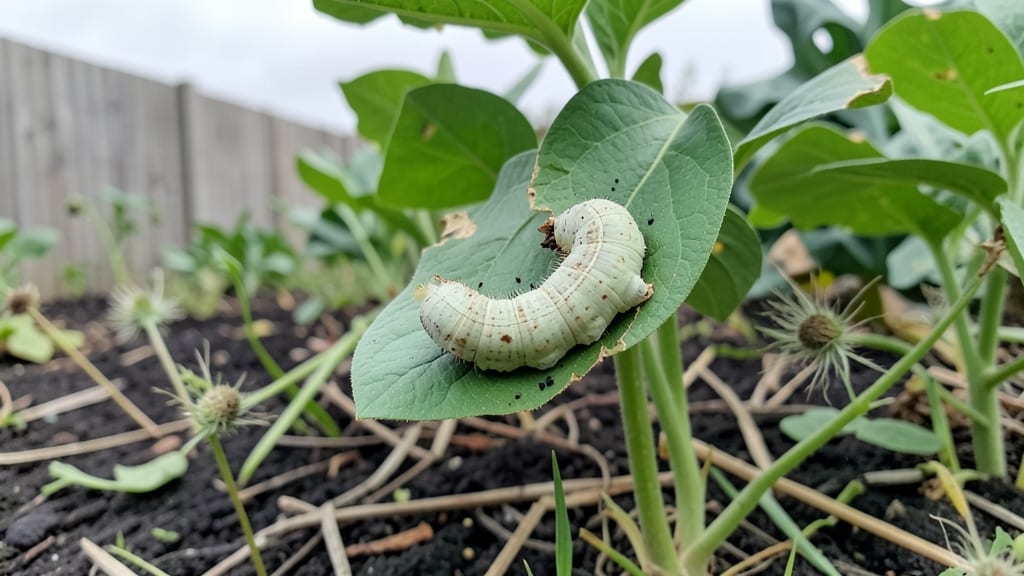
That itchy garden rash after a long day of planting is the last thing you need. 🌿 I’ve battled my share—from poison ivy’s sneaky vines to the sting of pesticide residue—and learned the fastest way to calm the burn without running to the pharmacy.
The key? A homemade spray with aloe’s soothing gel and calendula’s anti-inflammatory magic that works in minutes.
Most rashes come from three culprits: poison ivy/oak/sumac, plant saps (like stinging nettle), or chemical irritation from gloves or soil additives. Prevention starts with long sleeves, gloves, and rinsing off immediately after gardening.
But when the itch hits, washing with cold water and baking soda cuts the sting before you even reach for the spray bottle.
This remedy turns red skin into smooth relief in under five minutes. The aloe hydrates while calendula reduces swelling, and you’ll avoid the greasy feel of store-bought creams. Plus, it’s chemical-free—just what your skin needs after a day of digging in the dirt. Let’s make it together.
Whether you’re dealing with a new garden plot or just forgot your gloves again, this spray is your go-to for fast, gentle relief. No more scratching through the night—just clear skin and happy hands by morning. Here’s how to mix it up in under ten minutes.
Behind Your Outdoor Skin Reaction
Spending time in the garden should be refreshing, not itchy—but for many, a rash from garden turns sunshine into discomfort. Understanding the root causes helps you protect your skin and avoid future flare-ups. Here’s why your skin might be rebelling after a day of digging, pruning, or planting.
Not all plants are created equal. Some contain natural compounds that trigger allergic reactions or direct skin irritation:
- Sap & Resins: Plants like poison ivy (Toxicodendron radicans), poison oak, and poison sumac produce urushiol oil, a potent allergen that causes delayed allergic contact dermatitis. Even touching the plant, tools, or pets that brushed against it can transfer the oil to your skin. Pro tip: Remember the rhyme: "Leaves of three, let it be!"
- Essential Oils & Volatile Compounds: Some aromatic plants (e.g., lavender, citrus, or mint) release oils that may irritate sensitive skin, especially if you have eczema or rosacea. Direct contact or inhalation (like crushing leaves) can lead to a rash.
- Latex Allergies: Wearing gloves made from natural rubber latex (common in gardening) can cause an allergic contact dermatitis reaction in some people. Symptoms appear 6–48 hours after exposure.
Garden pests aren’t just annoying—they can leave painful, itchy rashes:
- Chiggers (Harvest Mites): These microscopic mites latch onto your skin and inject enzymes to dissolve tissue, creating red, itchy welts (not actual "bites"). They thrive in tall grass and weeds, so overgrown garden edges are prime territory.
- Fleas & Ticks: Pets or wildlife can bring these hitchhikers into your garden. Their saliva contains anticoagulants that trigger immediate allergic reactions, leading to swollen, red bumps.
- Caterpillars & Spider Bites: Hairy caterpillars (like saddleback caterpillars) and spiders (e.g., black widow or brown recluse) can deliver venomous stings. Symptoms range from localized pain and redness to systemic reactions like nausea or fever.
Your garden is an open-air environment, which means UV rays and heat can weaken your skin’s barrier, making it more susceptible to rashes:
- Sunburn-Induced Eczema: Overexposure to UV rays damages the skin’s stratum corneum, triggering polymorphous light eruption (PMLE) or worsening atopic dermatitis. A red, scaly, or blistering rash may appear 24–48 hours after sun exposure.
- Heat Rash (Miliaria): Sweat gets trapped in blocked sweat ducts due to high humidity or tight clothing, causing prickly heat—tiny, clear blisters or red bumps. Gardening in thick, non-breathable clothes accelerates this.
- Photosensitivity Reactions: Some herbs (e.g., celery, parsnips) or medications (like antibiotics) make your skin more sensitive to sunlight, leading to a phytophotodermatitis rash. It appears as streaky, blistering redness where skin touched the plant before sun exposure.
Gardening isn’t just about dirt—it’s also about the products you use to keep plants healthy (or pests away):
- Fertilizers & Pesticides: Synthetic chemicals (e.g., glyphosate, neonicotinoids) or even organic options like copper sulfate can cause irritant contact dermatitis. Direct skin contact or inhalation of dust can lead to dry, cracked, or burning skin.
- Soil Bacteria & Fungi: Sporotrichosis (from Sporothrix schenckii fungi in soil) or cutaneous anthrax (from Bacillus anthracis spores) are rare but serious infections that start as red, swollen lesions after handling contaminated soil or plants.
- Metal Allergies: Tools, trellises, or garden decor made of nickel, chrome, or cobalt can trigger allergic contact dermatitis in sensitive individuals. Even sweat or soil moisture can accelerate the reaction.
Your skin’s natural defenses play a huge role in how it reacts to garden triggers:
- Dry or Damaged Skin: Cold weather, harsh soaps, or frequent handwashing strip the skin of natural oils, weakening its barrier. Even mild irritants (like soil or plant fibers) can penetrate and cause eczema flare-ups.
- Atopic Dermatitis: People with eczema have overactive immune responses. Garden allergens (e.g., pollen, mold) can trigger type IV hypersensitivity reactions, leading to red, inflamed patches.
- Fungal Infections: Warm, moist environments (like gardening boots or damp gloves) create the perfect conditions for dermatophytes (fungi that cause athlete’s foot or ringworm). These appear as ring-shaped, itchy rashes.
Now that you know the why, the next step is prevention—like choosing the right gloves, avoiding high-risk plants, or using protective sprays. Stay tuned for our remedy guide to soothe and heal garden rashes naturally!
Quick Fixes for Outdoor Skin Irritation
If you’ve spent time in the garden and now have an itchy, red rash, don’t panic—most causes have simple, effective solutions. Below, we break down the most common triggers and the best ways to soothe and prevent them.
Fix: Act fast with these steps:
- Wash Immediately 🚿 – Rinse skin with cold water and mild soap (like dish soap) to remove oils that bind the irritant to your skin.
- Apply a Cool Compress ❄️ – Use a damp cloth or ice pack (wrapped in a towel) for 10–15 minutes to reduce swelling.
- Try Over-the-Counter Relief 💊 –
- Calamine lotion or hydrocortisone cream (1%) for itching.
- Baking soda paste (mix with water) as a natural anti-itch remedy.
- Avoid Scratching 🚫 – Scratching worsens irritation and can lead to infection.
Prevention Tip: 💡 Learn to spot these plants—remember, "Leaves of three, let it be!" Wear long sleeves and gloves when working in areas where they grow.
Fix: Calm the reaction with:
- Clean the Area 🧼 – Wash with soap and water to prevent infection.
- Reduce Swelling ❄️ – Apply a cold pack or ice cube wrapped in a cloth for 5–10 minutes.
- Use an Antihistamine Cream 💊 – Like hydrocortisone or calamine lotion to ease itching.
- Avoid Scratching 🚫 – If the bite is near your face, consider an oral antihistamine (like Benadryl) for severe reactions.
Prevention Tip: 🌿 Plant marigolds, basil, or citronella near your garden to repel bugs naturally. Wear light-colored clothing and use picaridin-based repellents instead of DEET if you’re sensitive.
Fix: Cool and hydrate your skin:
- Take a Cool Shower 🚿 – Use lukewarm water (not hot) and pat dry gently.
- Apply Aloe Vera Gel 🌱 – Pure aloe soothes sunburn and reduces peeling.
- Use a Light Moisturizer 🧴 – Look for cetaphil or fragrance-free lotion to lock in moisture.
- Stay Hydrated 💧 – Drink extra water to help your skin recover faster.
Prevention Tip: ✨ Wear UPF-rated clothing, a wide-brimmed hat, and reapply sunscreen every 2 hours (even on cloudy days). Avoid peak sun hours (10 AM–4 PM).
Fix: Remove the irritant and heal:
- Rinse Thoroughly 🚿 – Use water to wash off any lingering sap or chemicals.
- Apply a Steroid Cream 💊 – Hydrocortisone 1% helps reduce inflammation.
- Try an Oatmeal Soak 🍞 – Colloidal oatmeal (available in powder form) soothes irritated skin.
- Avoid Further Exposure 🚫 – Check labels on fertilizers, pesticides, or new plants before handling.
Prevention Tip: 🔥 Wear gloves and protective clothing when handling unknown plants or chemicals. Test new gardening products on a small skin patch first.
Fix: Identify and treat the allergen:
- Remove the Source 🚫 – Take off jewelry, gloves, or tight clothing that may trap irritants.
- Use an Antihistamine 💊 – Oral antihistamines (like Zyrtec or Claritin) can help if itching spreads.
- Apply a Barrier Cream 🧴 – Zinc oxide or petroleum jelly can protect skin during future gardening sessions.
- Patch Test New Tools 🔍 – Before using a new pair of gloves or tools, test them on a small skin area.
Prevention Tip: 💡 Choose hypoallergenic gloves made of nitrile or vinyl (latex-free) and clean tools regularly with vinegar or mild soap.
Final Pro Tip: ✨ If your rash spreads, blisters, or you develop a fever, see a doctor—it could be a sign of a more serious reaction. Most garden rashes clear up within a few days with proper care!
Frequently asked questions
What are the most common plants that cause garden rashes?
The top culprits are poison ivy, poison oak, and poison sumac, all containing urushiol oil that triggers allergic reactions. Other irritants include stinging nettle, giant hogweed (which causes severe burns when exposed to sunlight), and latex-containing plants like rubber trees. Always wear gloves when handling unfamiliar foliage.
How do I tell if my rash is from poison ivy vs. bug bites?
Poison ivy rashes appear as streaks or patches following skin contact and take 12–48 hours to develop. Bug bites (like chigger welts) are usually small, isolated red bumps that itch immediately. Poison ivy also causes blistering in severe cases, while bug bites rarely do.
Can I use the same remedy for all types of garden rashes?
No—while cool compresses and aloe vera work for many rashes, insect bites often need antihistamines (like Benadryl), and chemical burns require rinsing with water for 15+ minutes. Always identify the cause first: plant sap, insect saliva, or chemical exposure each need targeted care.
How long does it take for a garden rash to heal?
Mild rashes (like heat rash or minor bug bites) clear in 2–5 days with proper care. Poison ivy/oak can take 1–3 weeks to fully heal, while severe reactions (blistering, swelling) may need prescription steroids. Always monitor for fever or spreading redness, which signal a doctor’s visit.
Are there natural ways to prevent garden rashes?
Yes! Wear nitrile gloves, long sleeves, and UPF clothing when working with plants. Spray tools and soil with vinegar or rubbing alcohol to neutralize urushiol oil. For bug bites, plant marigolds or basil as natural repellents. Always wash hands after gardening.