
Tools
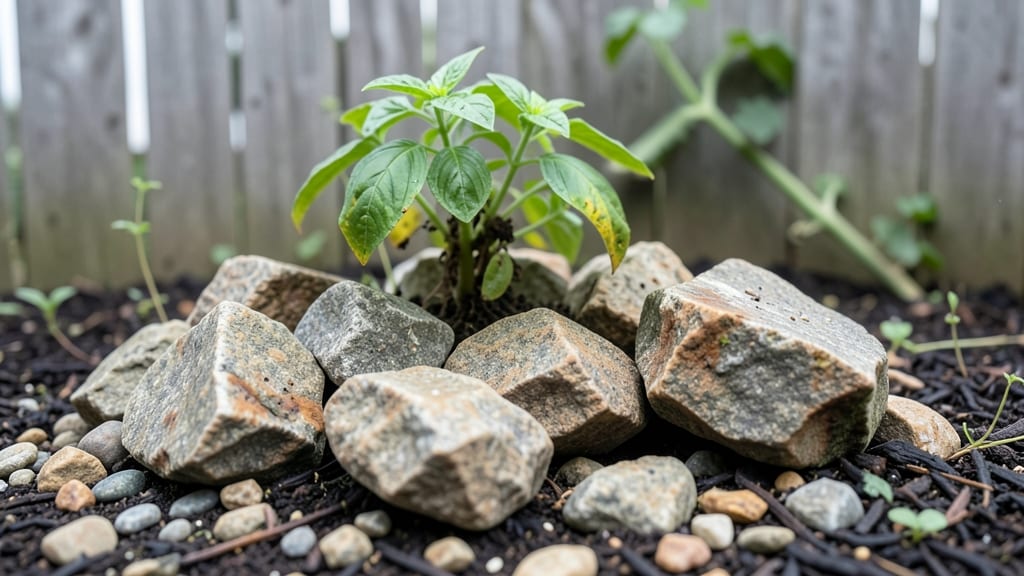
Chinese garden rocks aren’t just decorative—they’re the unsung heroes of humane squirrel control while adding timeless elegance to any outdoor space. ✨ I’ve used them to transform my backyard from a squirrel buffet into a serene retreat where wildlife thrives without traps or harm.
The key lies in their placement: scattered near bird feeders or along pathways, they create natural barriers that deter digging while blending seamlessly into Zen-inspired designs.
These rocks aren’t one-size-fits-all. Flat, smooth varieties work best for pathways, while rounded stones mimic natural landscapes in water features or dry creek beds. Sourcing them locally keeps costs down, and their low maintenance means no weeding or replanting—just occasional repositioning to maintain that "just-so" look.
Plus, they’re lightweight enough to arrange without heavy equipment, making them perfect for DIY gardeners.
What you’ll love most is how they elevate your garden’s ambiance. A single layer of rocks around a fire pit creates a cozy, intentional space, while a winding path of them invites quiet reflection.
They also reduce soil erosion near walkways and keep pests like squirrels from tunneling under plants. The result? A space that feels both functional and deeply peaceful—without sacrificing beauty.
Works in modern courtyards, traditional Zen gardens, or even urban balconies with container arrangements. Whether you’re chasing tranquility or just tired of squirrel chaos, these rocks deliver both. Here’s how to make them work for your space—without the hassle.
📚 In This Guide
- What you need
- Instructions
- Tips and common mistakes
- Wrapping up and next steps
What you need
- ● Chinese garden rocks: 10–20 medium-to-large stones (6–12 inches in diameter), smooth and flat for aesthetics. Opt for schist, slate, or granite for durability.
- ● Decorative gravel: 5–10 lbs of polished river pebbles (¼–½ inch size) for texture and drainage.
- ● Landscape fabric: A 3’x5’ roll to prevent weeds while allowing water drainage.
- ○ Natural mulch: 2–3 bags of cedar chips or pine straw (optional, for a softer look).
- ● Squirrel deterrent: Spiky plastic spheres: 6–8 units (3–4 inches in diameter) to place near entry points.
- ○ Motion-activated sprinkler: 1 unit (optional, for extra protection).
- ● Garden gloves: 1 pair (heavy-duty for handling rocks and gravel).
- ● Shovel: 1 medium-sized (for digging and leveling).
- ● Wheelbarrow: 1 (for transporting materials).
- ● Level: 1 (to ensure rocks are evenly placed).
- ● String line: 1 (for marking layouts).
- ● Hose with spray nozzle: 1 (for wetting down gravel and deterrents).
- ● A sunny or partially shaded garden spot (6’x6’ minimum for a small setup).
- ● Access to water for initial setup and maintenance.
- ● Basic knowledge of rock placement principles (or a sketch of your design!).
Step-by-Step guide to installing Chinese garden rocks for squirrel deterrence
Transform your garden into a squirrel-free zone while adding natural beauty—this method works without harming wildlife.
🪴 Step 1: Select and Prepare the Right Rocks
Choose flat, irregularly shaped stones between 2-4 inches thick and 6-12 inches wide—these provide the best balance of visual appeal and deterrence. I prefer smooth-edged river rocks or slate because their natural texture blends seamlessly with any landscape while creating unstable footing for squirrels. Avoid rounded pebbles; their small size makes them easy for squirrels to jump between.
Lay out your selection in the target area to visualize coverage. You’ll need enough to create a continuous barrier at least 2 feet wide along garden edges, raised beds, or vulnerable plantings. A 4-inch gap between rocks allows rainwater drainage while still frustrating squirrel movement. If your stones feel slippery when wet, rough up the undersides lightly with a wire brush to improve traction.
☀️ Step 2: Create a Base Layer for Stability
Spread a 2-inch layer of coarse sand over the planting area where rocks will go. This prevents them from sinking into soil over time and ensures they stay level. Use a leveling tool to smooth the surface—uneven rocks create tripping hazards for you and uneven pressure points for squirrels (which they’ll exploit). For slopes, work in 1-foot sections to maintain consistency.
Moisten the sand lightly with water and tamp it down firmly with a 2x4 board or your boot. The goal is firm but not compacted—think of a well-packed dirt path. If you’re installing near established plants, leave a 3-inch border of bare soil around them to protect roots from rock pressure. This step is critical: Skipping it leads to rocks shifting after the first rain.
🌿 Step 3: Arrange Rocks Strategically for Maximum Effect
Place rocks with their flattest sides down to create an unstable surface. Overlap edges slightly to eliminate gaps—squirrels are agile enough to leap 18 inches if they find a clear path. For raised beds, stack rocks 2-3 layers high on the outer edges, leaving the center accessible for planting. I like to arrange them in waves or herringbone patterns for visual interest while maintaining the barrier’s functionality.
Test the arrangement by attempting to cross it yourself—you should feel the rocks shift slightly underfoot. If a squirrel can hop from one stable rock to another without disturbing the surface, it’ll treat it like a natural path. For extra deterrence, add 1-2 inch gaps between some rocks to create unpredictable footing. This mimics the natural uneven terrain squirrels avoid.
✂️ Step 4: Secure Edges and Blend With Surroundings
Anchor the outer edges of your rock arrangement with landscape pins or u-shaped metal stakes to prevent wind or animal movement from shifting them. Drive stakes into the ground at 12-inch intervals along the perimeter, then tuck the rock edges into the stakes’ curves. For slopes, use landscape fabric strips under the first rock layer to reduce erosion while allowing water drainage.
Softening the transition between rocks and soil prevents an abrupt visual break. Scatter smaller stones or mulch along the edges to blend the barrier into the landscape. If your garden has existing pathways, extend the rock arrangement 6 inches beyond the path’s edge—squirrels often use these transitions as shortcuts. This final step ensures your deterrent looks intentional, not haphazard.
💧 Step 5: Maintain and Refresh the Barrier Seasonally
Check your rock arrangement after heavy rains or freeze-thaw cycles—stones may shift or develop gaps. Reposition any that have moved more than ½ inch from their original spot. In late fall, add 1-2 inches of fresh sand between rocks to compensate for soil settling. I also recommend weeding the area annually—squirrels use tall grasses and low plants as stepping stones to bypass rock barriers.
Every 2-3 years, refresh the arrangement by removing, cleaning, and rearranging 20-30% of the rocks. This prevents them from becoming permanently embedded in the soil and maintains their visual appeal. Store extra rocks in a shaded, dry area between uses to prevent moss growth, which can make surfaces slippery for squirrels (and you) when wet.
Tips & tricks for perfect Chinese garden rock installation
These game-changing strategies will help you create a functional, beautiful squirrel deterrent that lasts for years—without compromising your garden's natural beauty.
Rock Selection Intelligence: When choosing your 2-4 inch thick stones, prioritize those with irregular edges and varying textures. Squirrels rely on predictable surfaces—rocks with natural grooves and uneven surfaces create unsteady footing that frustrates their attempts to cross. I've found that slate and river rocks with one slightly rough side work best when placed with the rough side up to maximize instability. Pro tip: Collect stones from different areas of your property—they'll have varied shapes that create an organic, natural look while making the barrier more effective.
Base Layer Mastery: That 2-inch layer of coarse sand in Step 2 isn't just about stability—it's about creating the right foundation for your deterrent's longevity. I've learned the hard way that compacting the sand too firmly can actually make rocks more prone to shifting during freeze-thaw cycles. Instead, aim for a consistency similar to a well-packed dirt path—firm enough to support the rocks but with just enough give to allow for natural settling. For slopes, work in those 1-foot sections while keeping your leveling tool handy; even a ¼-inch variance can create weak points where squirrels might find purchase.
Strategic Arrangement Secrets: The key to making this barrier truly effective lies in creating visual and physical unpredictability. When placing your rocks with the flattest sides down, intentionally leave some gaps between 1-2 inches—this mimics the natural uneven terrain squirrels instinctively avoid. I've noticed that arranging rocks in waves or herringbone patterns not only looks stunning but also creates more crossing challenges for squirrels than a straight line would. After arranging, do the personal test: if you can't cross it without disturbing the surface, you're on the right track.
Long-Term Maintenance Strategy: The secret to making your rock barrier last is proactively addressing the two biggest threats: erosion and moss growth. After heavy rains, check for any rocks that have shifted more than ½ inch and reposition them immediately. For moss prevention, store your extra rocks in a shaded, well-ventilated area between uses—direct sunlight actually helps prevent moss growth by keeping surfaces dry. I've found that adding a thin layer of horticultural sand between rocks during your annual refresh (Step 5) helps maintain drainage while preventing soil buildup that could stabilize the arrangement over time.
Pro Tips for Chinese Garden Rocks
- These game-changing strategies will help you create a functional, beautiful squirrel deterrent that lasts for years—without compromising your garden's natural beauty.
- Rock Selection Intelligence: When choosing your 2-4 inch thick stones, prioritize those with irregular edges and varying textures.
- Base Layer Mastery: That 2-inch layer of coarse sand in Step 2 isn't just about stability—it's about creating the right foundation for your deterrent's longevity.
Frequently asked questions
Got questions about using Chinese garden rocks to keep squirrels away while adding beauty to your space? You’re in the right place! Here are some of the most common queries—plus straightforward answers to help you get started.
What makes Chinese garden rocks effective against squirrels?
Chinese garden rocks create an uneven, unstable surface that squirrels dislike. Unlike flat stones or mulch, their irregular shapes and sharp edges make it difficult for squirrels to dig, climb, or nest. Plus, the rocks stay in place better than loose gravel, offering long-term protection without harming wildlife.
How long does it take to install Chinese garden rocks for squirrel control?
Installation time depends on the area size, but most homeowners complete it in 2–4 hours for a small garden bed. For larger spaces, plan for a full day. Break it into steps: clearing debris, laying down landscape fabric (optional), and arranging the rocks in a random, natural pattern for best results.
Are Chinese garden rocks more expensive than other squirrel deterrents?
Compared to commercial repellents or fencing, Chinese garden rocks offer cost-effective, long-term value. A 50 lb bag costs $15–$30, covering ~10 sq. ft. when layered 2–3 inches deep. While upfront costs are modest, they eliminate the need for repeated purchases of sprays or traps—saving money (and stress!) over time.
Can I use Chinese garden rocks in vegetable gardens or flower beds?
These rocks are safe for plants and won’t decompose like mulch. They improve drainage, reduce weeds, and keep squirrels from burrowing near roots. For flower beds, arrange them around (not over) plants to avoid smothering growth. In veggie gardens, place them in high-traffic squirrel zones while leaving soil exposed for planting.
What if squirrels still try to nest under the rocks?
If squirrels persist, try these fixes:
- Increase depth: Layer rocks 3–4 inches deep to block digging.
- Add motion-activated sprinklers nearby for extra deterrence.
- Secure edges with landscape fabric or a shallow border.
Wrapping up and next steps
Chinese garden rocks aren’t just a stunning addition to your outdoor space—they’re a humane, low-maintenance way to keep squirrels at bay while enhancing your garden’s natural beauty. By strategically placing smooth, irregular stones, you create an environment that’s both squirrel-resistant and visually soothing, blending functionality with aesthetics effortlessly.
Ready to transform your garden? Start by gathering your materials, follow the simple placement tips, and watch your outdoor oasis thrive—without the chaos of unwanted visitors! 🌿✨