
Pests
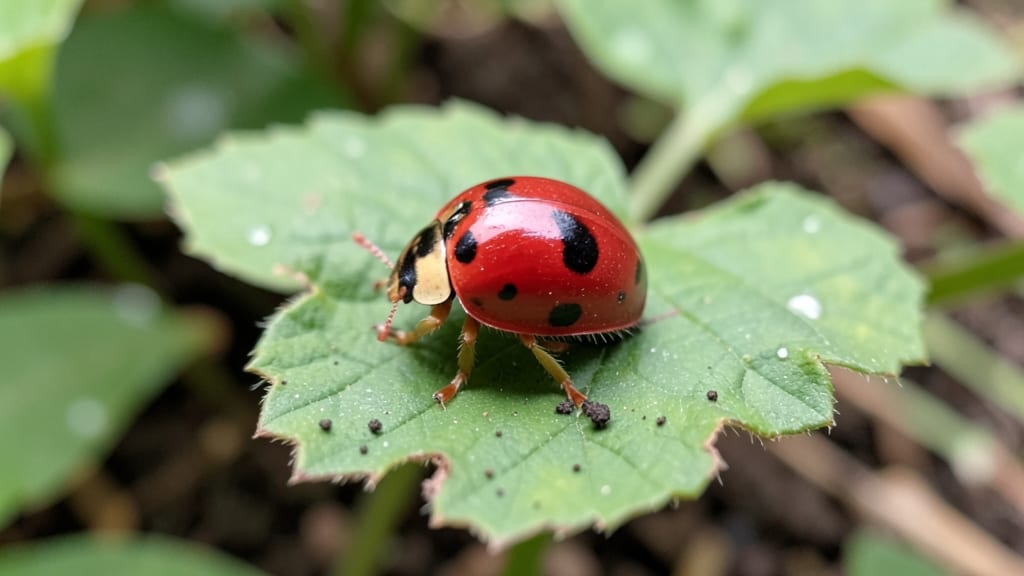
Red beetles in your garden aren’t just annoying—they can strip plants bare overnight. 🌱 I’ve seen firsthand how these pests turn vibrant leaves into lace in days, and the key to stopping them is understanding their behavior before they strike.
The damage starts small: tiny holes in leaves, then burrows in soil, and finally, entire plants looking like they’ve been chewed by a swarm.
Most people reach for chemicals first, but I’ve found that natural barriers—like copper tape, diatomaceous earth, and strategic planting—work just as well without harming your soil or pollinators.
By setting up these defenses early, you’ll protect your garden without losing a single leaf. The best part? These methods keep working season after season, so you won’t have to start from scratch every spring. Let’s get your garden back to thriving.
Whether you’re dealing with Japanese beetles, Colorado potato beetles, or another red beetle variety, the same principles apply. The goal is to outsmart them before they outsmart you—here’s how to do it right.
Root Causes Of Beetle Infestations
Understanding why beetles invade your garden is the first step to outsmarting them. These tiny but tenacious pests don’t just show up randomly—they’re drawn to specific conditions that make your garden look like an all-you-can-eat buffet. Let’s break down the science behind their behavior and what’s really inviting them over.
Beetles, especially red beetles like the colorado potato beetle or Mexican bean beetle, thrive in gardens where plants are packed too closely together.
Dense foliage provides: - Shade and moisture – Beetles love damp, shaded areas where they can lay eggs undetected. - Easy access to food – When plants are crowded, beetles can munch on multiple species without moving far. - Protection from predators – Birds, ladybugs, and other natural enemies struggle to navigate thick vegetation, giving beetles a safe haven.
Actionable Fix:
- Space plants 12–18 inches apart to improve airflow and visibility.
- Prune lower leaves to reduce hiding spots while keeping the plant healthy.
- Interplant with tall, open varieties (like sunflowers or cosmos) to disrupt beetle movement.
Beetles have specific plant preferences, and if their favorites are present, they’ll swarm in. Common culprits include:
- Potatoes, tomatoes, and eggplants (loved by colorado potato beetles).
- Beans, peas, and clover (targeted by Mexican bean beetles).
- Lettuce, spinach, and other greens (attracts flea beetles).
Why It Happens: Beetles use chemical cues (volatiles) emitted by these plants to locate them. Once they find a host, they release pheromones to call in reinforcements, creating a feeding frenzy.
Actionable Fix:
- Rotate crops annually to starve beetles of their preferred hosts.
- Remove volunteer plants (like wild potatoes or beans) that beetles might use as a food source.
- Use trap crops (like mustard greens for flea beetles) to lure beetles away from prized plants.
Beetles, particularly Japanese beetles and flea beetles, are drawn to moist, well-watered soil because:
- Eggs need humidity to survive – Many beetle species lay eggs in damp soil, where they’ll hatch into larvae.
- Overwatering weakens plants – Stressed plants are easier targets and emit more distress signals (like ethylene gas) that beetles detect.
Actionable Fix:
- Water deeply but infrequently (1–1.5 inches per week) to avoid soggy soil.
- Improve drainage in garden beds by mixing in compost or sand.
- Avoid watering in the evening—wet foliage at night encourages beetle activity.
A healthy garden ecosystem keeps beetle populations in check through predator-prey dynamics. When these natural controls are missing, beetles multiply unchecked.
Key predators include: - Ladybugs (devour beetle eggs and larvae). - Ground beetles (hunt beetle grubs). - Birds (like sparrows and robins, which snack on adult beetles). - Parasitic wasps (lay eggs inside beetle larvae).
Why It Happens:
- Pesticide use kills both pests and predators, disrupting the balance.
- Monoculture planting reduces biodiversity, leaving fewer predators to control beetles.
- Urban/suburban gardens often lack the habitat diversity found in wild or rural areas.
Actionable Fix:
- Encourage predators with:
- Diverse plantings (native flowers, herbs, and shrubs).
- Water sources (birdbaths, shallow dishes).
- Mulch (to provide shelter for ground-dwelling predators).
- Avoid broad-spectrum pesticides—opt for targeted sprays (like neem oil) that spare beneficial insects.
Beetles are cold-blooded, meaning their activity levels skyrocket in warm temperatures.
Here’s how heat fuels infestations: - Faster development – Eggs hatch quicker, and larvae mature in as little as 2–3 weeks in warm conditions. - Longer adult season – Warm springs and falls extend the time beetles are active, leading to multiple generations per year. - Increased appetite – Higher temperatures make beetles more aggressive feeders.
Actionable Fix:
- Monitor weather patterns – Peak beetle activity often follows unseasonably warm spells.
- Use row covers early in the season to block adults before they lay eggs.
- Plant heat-tolerant varieties that beetles avoid (e.g., ‘Defiant’ phlox for Japanese beetles).
Sometimes, our own gardening practices create the perfect beetle magnet.
Common mistakes include: - Leaving fallen fruit or debris – Beetles hide in organic matter and use it to overwinter. - Composting infested plants – If you compost beetle-damaged foliage, you’re essentially fertilizing next year’s infestation. - Storing firewood or mulch near gardens – Some beetles (like stink bugs) hitchhike on these materials.
Actionable Fix:
- Clean up garden debris regularly, especially after harvest.
- Store firewood and mulch away from planting areas.
- Inspect new plants before bringing them home—quarantine for a few days to spot hitchhiking beetles.
Quick-Fix Solutions for Beetle Woes
Dealing with beetles in your garden doesn’t have to feel like a losing battle. Whether you’re facing leaf-eating larvae, root-munching grubs, or unwanted adult beetles, there are effective, natural ways to reclaim your garden without harsh chemicals.
Below, we’ll break down the most common beetle-related issues and the practical fixes to tackle them—plus prevention tips to keep your garden thriving long-term.
Cause: Beetles like the Japanese beetle or colorado potato beetle love munching on foliage, leaving behind skeletonized leaves and ragged edges.
🍳 How to Fix It: Trap & Remove
- Handpick & Drop 👨🍳 - Early in the morning, shake plants over a bucket of soapy water to drown beetles.
Focus on roses, grapes, and beans—common targets. - Pro tip: 💡 Use a shop vac (with a fine mesh bag) to suck them up without harming plants.
- DIY Beer Traps 🍺
- Bury a plastic cup filled with beer (or a mix of water + yeast) near affected plants. Beetles are attracted to the scent and drown.
- Refresh every 2–3 days for best results.
- Neem Oil Spray 🌿
- Mix 1 tbsp neem oil + 1 tsp mild soap + 1 quart water, then spray on leaves (avoid flowering plants to protect pollinators).
- Reapply every 5–7 days during active feeding.
Cause: Grubs from June bugs, chafer beetles, or Japanese beetles tunnel through roots, weakening plants and causing wilting.
🔪 How to Fix It: Soil Solutions
- Beneficial Nematodes 🐛✨
- Apply heterorhabditis bacteriophora nematodes (sold online or at garden centers) to the soil. These microscopic predators seek out and kill grubs naturally.
- Best time: Early evening or cloudy days (they hate direct sunlight).
- Milky Spore Treatment 📊
- For grubs in lawns, sprinkle milky spore powder (a bacteria that targets Japanese beetle larvae) over the soil in late summer.
- Takes 1–2 years to establish but provides long-term control.
- Hand Digging & Flooding 💦
- Loosen soil around affected plants to spot and remove grubs by hand.
- For severe infestations, flood the area for 24–48 hours to suffocate them.
Cause: Beetles like carpenter ants, drugstore beetles, or seedcorn beetles sneak into stored veggies, compost piles, or greenhouses.
🎯 How to Fix It: Barrier & Cleanup Strategies
- Seal Entry Points 🔒 - Check for gaps in greenhouses or holes in storage containers.
Use fine mesh screens or silica gel packets to deter beetles. - Pro tip: 🔥 Store potatoes and onions in mesh bags or glass jars to prevent infestations.
- Diatomaceous Earth (DE) 🏖️
- Sprinkle food-grade DE around greenhouse floors or in stored bins. It dehydrates beetles on contact.
- Reapply after rain or watering.
- Freeze or Heat Treat 🔥❄️
- For stored produce, freeze infested items for 48 hours or bake in the oven at 120°F (49°C) for 30 minutes to kill beetles and eggs.
- Rotate Crops 🌱
- Avoid planting the same family (e.g., tomatoes, potatoes) in the same spot yearly—beetles return to familiar hosts.
- Plant Repellent Companions 🌿
- Interplant with garlic, chives, catnip, or tansy—these deter beetles naturally.
- Mulch Strategically 🍂
- Use straw or wood chips (not leaves) to reduce beetle habitats and improve soil health.
- Encourage Predators 🐞
- Attract birds, toads, and ground beetles with a diverse garden ecosystem (native plants, water sources, and log piles).
- Early Monitoring 👀
- Check plants weekly for early signs (chewed leaves, frass/droppings). Act fast—small infestations are easier to control!
Final Thought: Beetles may be persistent, but with these targeted, eco-friendly methods, you can outsmart them and protect your garden’s hard work. Start with one or two solutions that fit your situation, and adjust as needed—your plants will thank you! 🌱💚
Frequently asked questions
What are the most common red beetles that invade gardens?
The most troublesome red beetles in gardens include the colorado potato beetle (targets nightshades), Mexican bean beetle (feeds on legumes), and Japanese beetle (attacks over 300 plant species). Smaller red beetles like flea beetles also cause damage by chewing tiny holes in leaves.
How do I tell if beetle damage is from larvae or adult beetles?
Adult beetles typically leave large, irregular holes in leaves, while larvae (grubs) create burrows in soil or skeletonized leaves (only veins remain). Check soil around wilted plants—if you find white, C-shaped grubs, larvae are the culprit.
Are there any plants that naturally repel red beetles?
Yes! Garlic, chives, catnip, tansy, and marigolds all deter beetles naturally. Plant these near vulnerable crops like tomatoes or beans. Basil also works well—its strong scent masks plants beetles prefer, creating a natural barrier.
Can I use diatomaceous earth for red beetles in my garden?
Food-grade diatomaceous earth works against both adult beetles and larvae. Sprinkle a thin layer around plant bases or on soil (avoid direct contact with beneficial insects). Reapply after rain—it loses effectiveness when wet. Best used as a preventive barrier rather than a cure.
Why do red beetles seem to get worse every year in my garden?
Beetles thrive when gardens lack diversity—monoculture planting gives them endless food, and overwatering creates ideal egg-laying conditions. Poor drainage also traps larvae. The solution? Rotate crops, improve soil health, and introduce predator habitats (like birdbaths) to restore balance.