Tools
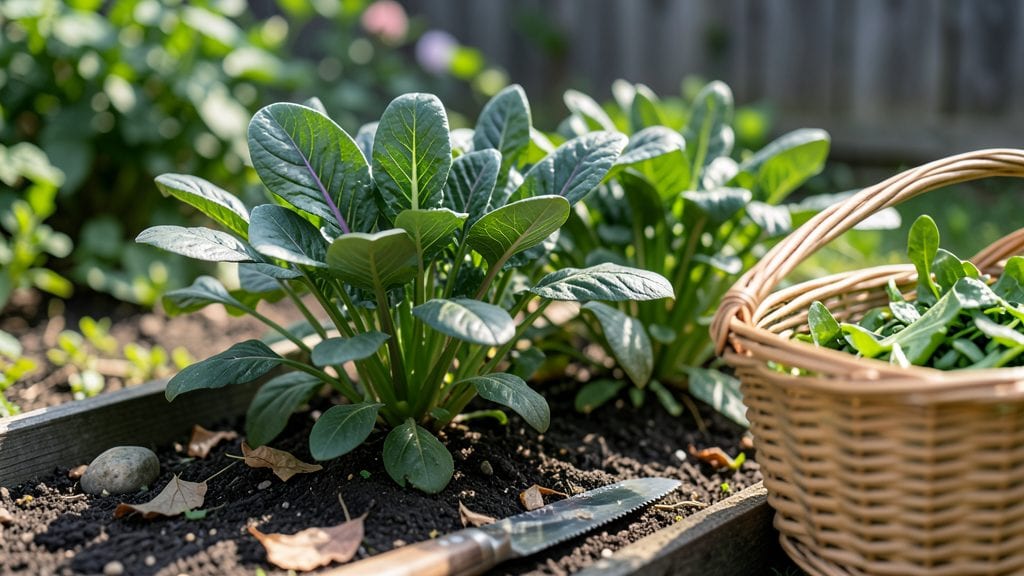
Transform your mustard greens garden into a lush, container-friendly harvest with these quick-growing tips for patio or balcony greens. I started with a single 5-gallon pot last spring, and by mid-May, I was snipping fresh greens for salads every week—no garden required.
The key is their fast growth (ready in just 30 days) and how they thrive in small spaces, making them perfect for urban gardeners or anyone short on yard room.
You’ll need well-draining potting mix, a container at least 6 inches deep, and a sunny spot with 4-6 hours of light daily. Mustard greens love cool weather but bolt quickly in heat, so spring or fall planting gives the best results.
Water consistently—keep the soil moist but not soggy—and watch for pests like aphids, which can be deterred with a simple spray of soapy water. The first harvest comes quickly, but regular cutting encourages even more growth.
What you’ll end up with is a bold, peppery harvest that’s packed with vitamins and easy to grow. The leaves stay tender when harvested young, and the flavor intensifies as they mature—great for stir-fries, salads, or sautéing.
Once you master the basics, you can experiment with varieties like ‘Southern Giant Curled’ for even larger harvests in the same space. Here’s how to get started without the guesswork.
This method works in any climate zone—just adjust planting times to avoid summer heat. Containers let you move plants to shade if needed, and the compact size means no wasted space.
Whether you’re a beginner or a seasoned gardener, mustard greens deliver fast rewards with minimal effort. Let’s turn that container into a green machine.
📚 In This Guide
- What you need
- Instructions
- Tips and common mistakes
- Wrapping up and next steps
What you need
- ● Container: At least 12-inch deep pots or grow bags (2–3 per plant for better growth). Ensure they have drainage holes!
- ● Potting Soil: Well-draining, organic-rich mix (e.g., 50% garden soil + 50% compost or a pre-mixed vegetable blend). ~3–5 gallons per container.
- ● Mustard Greens Seeds: Choose fast-maturing varieties like 'Southern Giant Curled' or 'Tendergreen'. ~5–10 seeds per container (thin to 3–4 strongest seedlings).
- ● Watering Can or Hose: With a gentle spray nozzle to avoid disturbing seeds.
- ● Fertilizer: Balanced organic fertilizer (e.g., 10-10-10 or fish emulsion) or compost tea for a nutrient boost.
- ● Gloves: Protect your hands from soil and sharp stems.
- ● Hand Trowel: For transplanting seedlings or mixing soil.
- ● Mulch: Straw or shredded leaves to retain moisture and suppress weeds.
- ○ Row Cover or Shade Cloth: (Optional) For cooler climates or to shield young plants from pests.
- ● pH Tester Kit: Mustard greens prefer slightly acidic soil (pH 6.0–6.8). Adjust with lime or sulfur if needed.
Step-by-Step instructions for growing mustard greens in containers
Here's how to grow these fast, peppery greens in containers with minimal fuss.
Prepare Your Containers and Soil Mix
Mustard greens thrive in well-draining soil, so start with a clean container at least 6 inches deep and 12 inches wide for each plant. I use 5-gallon fabric grow bags because they prevent root circling and allow excess water to escape. Fill each container with 3 gallons of potting mix enriched with 1 cup of compost. Mix gently—you want fluffy soil that holds moisture but doesn’t stay soggy.
Press the soil down lightly with your fingers until it’s firm but not compacted. The surface should feel slightly springy, like a well-packed pillow. If your mix feels dry, add ½ cup of water and stir it in until evenly moist. Avoid overwatering now—mustard greens hate wet feet and will rot if the soil stays too damp.
Plant Seeds at the Right Depth and Spacing
Sow 10-12 seeds per container, spacing them 1 inch apart in rows 2 inches apart. Mustard greens germinate best when planted just ¼ inch deep—any deeper and they’ll struggle to push through the soil. Use your finger or a small stick to make shallow furrows, then drop the seeds inside.
Cover lightly with a thin layer of soil, then mist the surface with water until it’s damp but not dripping. Place a humidity dome or clear plastic wrap over the container to trap warmth and moisture. Keep it in a spot with room temperature (70-75°F)—you’ll see sprouts in 3-7 days. If your home runs cooler, place the container on a seedling heat mat to speed up germination.
Provide Light and Thin Seedlings
Once seedlings emerge, remove the humidity dome immediately to prevent fungal diseases. Mustard greens need 4-6 hours of sunlight daily, but they’ll tolerate partial shade if kept consistently moist. Place containers near a south-facing window or under grow lights set to run 12-14 hours per day. You’ll know they’re getting enough light when the leaves stay dark green and sturdy—not pale or stretching.
When seedlings reach 2 inches tall, thin them to 4-6 plants per container by snipping the weakest ones at the base with clean scissors. Leave the strongest, most upright seedlings—these will grow into your harvest. Water gently at the base after thinning to avoid disturbing the roots.
Water and Fertilize for Fast Growth
Mustard greens grow quickly, so keep the soil evenly moist—water when the top inch feels dry to the touch. I use a watering can with a fine rose to avoid blasting soil away. Fertilize lightly 2 weeks after thinning with ½ cup of balanced liquid fertilizer (10-10-10) diluted to half strength. This boosts leaf production without overloading the plants.
Watch for bolting—when plants send up tall flower stalks—usually 30-45 days after planting. If you want tender greens, harvest before this happens. If you’re okay with bitter leaves (great for cooking), let them bolt and harvest the seed pods later. Mulch with 1 inch of straw to retain moisture and keep weeds at bay.
Harvest and Encourage Regrowth
Start harvesting the outer leaves when they reach 4-6 inches long, cutting just above a set of smaller leaves. This encourages the plant to keep producing. You’ll get multiple harvests over 4-6 weeks before the plant bolts. If you leave a few leaves on the plant, it may regrow enough for a second harvest—though the flavor will be milder.
After the main harvest, compost the spent plants or let them seed out for next year. For a continuous supply, sow new seeds every 2-3 weeks—mustard greens are so fast that you’ll always have fresh leaves ready.
Tips & tricks for perfect mustard greens in containers
Growing mustard greens in containers is simpler than you think—here are the secrets to a thriving harvest without the guesswork.
Soil Preparation: In Step 1, when mixing your 3 gallons of potting mix with 1 cup of compost, don't skip the pressing step. Lightly pressing the soil creates the perfect balance—firm enough to support seedlings but loose enough to prevent compaction. I've learned this the hard way: overly packed soil can suffocate roots, while too-loose soil won't hold moisture properly. The "springy pillow" test is foolproof—if it bounces back slowly, you're good to go.
Germination Strategy: The 3-7 day germination window in Step 2 can feel like forever, but consistency is key. Maintain that room temperature of 70-75°F and keep the humidity dome on until sprouts appear. Pro tip: If your home runs cooler, place containers on a seedling heat mat—this can cut germination time by nearly half. Just don't overdo it; above 80°F and seeds may rot before sprouting.
Light Management: For the 4-6 hours of sunlight in Step 3, position containers near your brightest window or under grow lights running 12-14 hours daily. Watch for pale, leggy seedlings—they're begging for more light. If using grow lights, keep them 6-12 inches above plants and adjust height as they grow. I've seen mustard greens stretch toward weak light sources, creating weak stems that flop over.
Thinning Technique: When thinning seedlings in Step 3, use clean scissors to snip at the base rather than pulling. This prevents disturbing the roots of remaining plants. Leave the strongest 4-6 seedlings per container—they'll produce the most robust harvest. I always thin to 5 plants per container for maximum yield, giving each plant enough space to develop broad, flavorful leaves.
Pro Tips for Mustard Greens Garden
- Growing mustard greens in containers is simpler than you think—here are the secrets to a thriving harvest without the guesswork.
- Soil Preparation: In Step 1, when mixing your 3 gallons of potting mix with 1 cup of compost, don't skip the pressing step.
- Germination Strategy: The 3-7 day germination window in Step 2 can feel like forever, but consistency is key.
Frequently asked questions
Got questions about growing mustard greens in containers? You’re not alone! Here are answers to the most common concerns—from timing to troubleshooting—so you can grow bold, nutrient-packed greens with confidence.
When is the best time to plant mustard greens in containers?
Mustard greens thrive in cool weather, so aim to plant them 4–6 weeks before your last frost in spring or 6–8 weeks before your first frost in fall. They bolt (go to seed) quickly in heat, so avoid planting when daytime temps exceed 75°F (24°C). For year-round harvests, try succession planting every 2–3 weeks!
How often should I water mustard greens in containers?
Keep the soil consistently moist but not soggy—mustard greens wilt fast when thirsty! Water daily in hot weather or every 2–3 days in cooler conditions. Containers dry out faster, so check soil moisture by sticking your finger 1 inch deep. Pro tip: Use a tray under pots to catch excess water and boost humidity!
What pests or diseases should I watch for in container-grown mustard greens?
Common issues include aphids, flea beetles, and downy mildew. Prevent pests by spacing plants well and using row covers. For aphids, spray with soapy water. If leaves yellow or develop gray mold, improve airflow and avoid overhead watering. Rotate crops yearly to prevent soil-borne diseases!
Can I grow mustard greens in small containers, or do they need deep pots?
Mustard greens are shallow-rooted, so they thrive in containers at least 6–8 inches deep. For a single plant, a 5–6 inch pot works, but larger containers (10+ inches) let you grow 2–3 plants together. Just ensure drainage holes are present—root rot is their #1 enemy!
How long does it take to harvest mustard greens from seed?
Baby leaves are ready in 3–4 weeks, while full-size greens take 4–6 weeks from sowing. For continuous harvests, pick outer leaves first—this encourages regrowth! If you let them bolt (flower), they’ll become bitter. Harvest in the morning for the freshest, most tender greens.
Wrapping up and next steps
Growing mustard greens in containers is a rewarding way to enjoy bold, nutrient-rich harvests without needing a sprawling garden. Whether you’re a beginner or a seasoned gardener, these hardy greens thrive in small spaces, offering quick returns and endless culinary possibilities.
With the right setup, patience, and a dash of love, you’ll soon be feasting on homegrown goodness—and maybe even sharing the bounty with neighbors!
Ready to take the next step? Start small:
- Plant a single container this week and track your progress.
- Experiment with varieties or companion plants next season.
- Share your success (and recipes!) with fellow gardeners—community grows together! 🌱