
Pests and Diseases
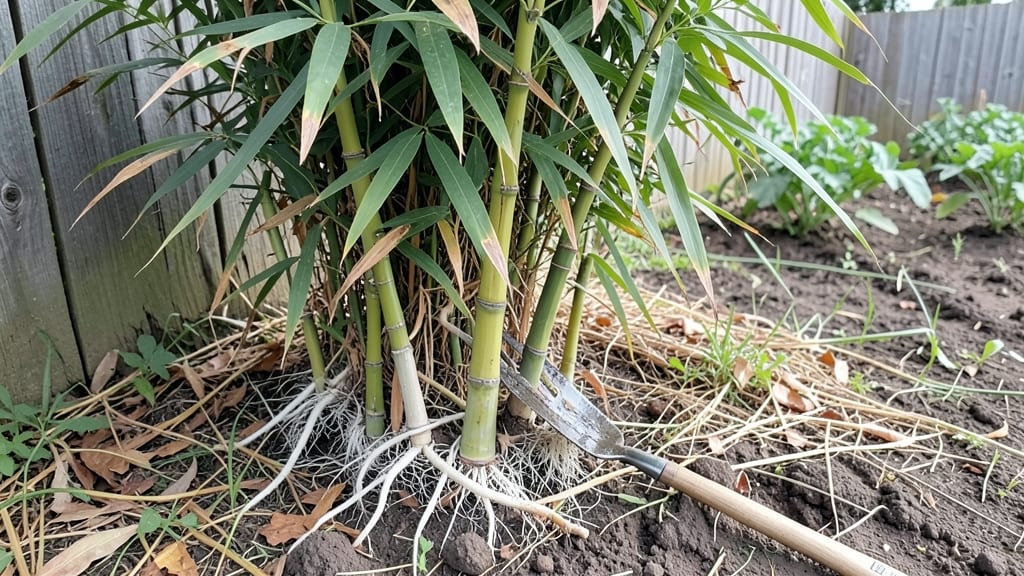
Removing bamboo from your yard is a battle I’ve fought for years, but I’ll show you how to dig it out completely—without chemicals—so it never comes back. 🌱
The real enemy isn’t the stalks but the thick, underground rhizomes that shoot out in all directions. A single clump can send roots 50 feet in a season if left unchecked.
The good news? With the right tools—a sharp spade, gloves, and patience—you can sever those roots and remove them for good.
By the end of this process, your yard will be free of bamboo’s aggressive spread, and your plants will have room to thrive again. The key is persistence—rhizomes hide deeper than you think, but we’ll get them all.
Whether you’re dealing with clumping or running bamboo, this method works. Just be ready to put in a little elbow grease—your yard will thank you for it.
Why it happens
Bamboo’s reputation as a "miracle plant" can turn into a nightmare when it spreads uncontrollably. Unlike most plants, bamboo thrives through a unique growth strategy that blends aggressive root expansion with rapid above-ground growth
Understanding the science behind bamboo’s spread is the first step to reclaiming your yard. Here’s why it happens—and how nature (and physics!) conspire to make it so difficult to stop. Most bamboo varieties are running bamboo, meaning they spread via rhizomes—horizontal, underground stems that act like living pipelines. These rhizomes grow 1–3 feet per year, sending up new shoots (culms) wherever they please. The key factors driving this spread: Pro Tip: 💡 Clumping bamboo (like Fargesia species) spreads 10x slower because its rhizomes grow vertically and are naturally contained. If you’re planting bamboo, choose these varieties to avoid future headaches. Bamboo isn’t picky—it thrives in moist, fertile soil, even in poor conditions. Here’s how water and soil type fuel its invasion: Warning: ⚠️ If your yard has irregular watering (e.g., drip lines near bamboo) or recently disturbed soil (from landscaping), you’re creating the perfect bamboo breeding ground. While most bamboo spreads via rhizomes, some varieties (like Bambusa) also release seeds that hitchhike on wind, animals, or even your shoes. Here’s how seed-based spread differs from rhizome invasion: Key Insight: 🔍 If you spot small, isolated bamboo clumps far from your main plant, seeds—not rhizomes—are likely the culprit. This explains why bamboo "appears" overnight in unexpected spots! Bamboo doesn’t just spread on its own—common landscaping mistakes accelerate the process. Here’s how homeowners unintentionally fuel the problem: Myth Buster: ❌ "Cutting bamboo stalks stops spread." ➡️ False. Trimming above-ground growth does nothing to rhizomes. You must attack the underground network to win.🌱 Rapid Rhizome Growth: The Underground Network
🌊 Water and Soil: The Perfect Growth Cocktail
Factor
How It Helps Bamboo Spread
High moisture
Rhizomes require water to grow. Even slight soil dampness (like from sprinklers or rain) can trigger new shoots. In drought-prone areas, bamboo may outcompete native plants by tapping into deeper water sources.
Loose or sandy soil
Rhizomes glide through loose soil with ease, while compacted clay can slow (but not stop) their progress. This is why bamboo often escapes containment barriers like buried plastic sheets.
Rich organic matter
Compost or mulch acts like a growth steroid for bamboo. Rhizomes seek out nutrient-rich pockets, sending shoots toward the easiest path—often your driveway or garden beds.
🌿 Seed Dispersal: The Sneaky Secondary Attack
🏡 Human Error: How We Accidentally Help It Spread
Practical Ways to Remove Bamboo
Bamboo may seem like a dreamy, low-maintenance plant, but its invasive roots can quickly turn into a nightmare for your yard. The good news? There are effective, eco-friendly ways to tackle this problem—without resorting to harsh chemicals.
Below, we’ll break down the best solutions based on the root cause of your bamboo woes, from physical barriers to targeted removal techniques.
🌱 When Bamboo Spreads Too Fast: Containment First
If your bamboo is already established but you want to stop its spread, containment is key.
🔧 Install a Root Barrier
Bamboo’s rhizomes (underground stems) can spread aggressively, often 3–5 feet per year. A physical barrier is the most reliable way to halt their advance.
- What to use: Heavy-duty HDPE (high-density polyethylene) plastic sheets or corrugated metal (at least 2–3 feet deep).
- How to install:
- Dig a trench at least 2 feet deep along the perimeter of your yard (deeper = better).
- Bury the barrier vertically, overlapping edges to seal gaps.
- Extend it 6–12 inches above ground to prevent rhizomes from growing over it.
- Pro tip: 💡 Check for gaps! Even a small opening can let rhizomes slip through. Seal with bentonite clay or concrete if needed.
🌿 Trim Rhizomes Regularly
If a full barrier isn’t feasible, manual removal can help slow growth.
- When to do it: Spring and fall, when rhizomes are most active.
- How to do it:
- Dig around the bamboo clump and cut rhizomes into 6-inch sections (they won’t regrow if separated).
- Burn or compost the cuttings (never leave them in the yard!).
- Repeat every 4–6 weeks for 1–2 years to weaken the plant.
💀 When Bamboo Is Deeply Rooted: Eradication Methods
If bamboo has taken over and you want it gone for good, these methods will help.
🔥 Smothering (Solarization)
For small patches, cutting + smothering works like a charm.
- Steps:
- Cut down the bamboo to ground level.
- Cover the area with black plastic sheeting (secure with rocks or soil).
- Leave it for 4–6 months—the heat will kill roots and rhizomes.
- Pro tip: 🌡️ Sunny spots work best! The plastic traps heat, accelerating root death.
🌊 Flooding (For Water-Tolerant Areas)
If your yard has low spots or you can redirect water:
- How it works: Bamboo roots cannot survive prolonged flooding.
- Steps:
- Dig a moat around the bamboo and fill it with water.
- Keep it consistently soaked for 2–3 months.
- For best results, repeat in multiple seasons.
- Warning: ⚠️ Only works in clay-heavy or poorly draining soil. Sandy soil may drain too quickly.
🪓 Digging Out the Roots (Labor-Intensive but Effective)
For stubborn clumps, complete removal is the only sure way.
- Tools needed: Shovel, mattock, or rhizome saw.
- Steps:
- Cut back all above-ground growth.
- Dig in a widening circle, following the rhizome paths (they grow horizontally).
- Remove every last piece—even small fragments can regrow!
- Inspect the soil for missed rhizomes (they’re often pale and stringy).
- Pro tip: ✨ Double-check! After digging, soak the area with vinegar or saltwater (1 part salt to 10 parts water) to kill any lingering roots.
🛡️ Prevention: Stop Bamboo from Returning
Once you’ve removed bamboo, keep it from coming back with these strategies.
🚫 Avoid Planting Bamboo Near Your Yard
- Stick to clumping bamboo (like Fargesia or Borinda) if you still want it—running bamboo (Phyllostachys) is the worst offender.
- Never plant bamboo near driveways, sidewalks, or foundations—rhizomes will crack them over time.
🌿 Maintain a "Bamboo-Free Zone"
- Plant deep-rooted ground covers (like creeping thyme, clover, or ornamental grasses) near former bamboo areas to block new rhizomes.
- Mulch heavily (3+ inches) to suffocate any stray shoots.
🔍 Monitor & Act Fast
- Check for new shoots monthly in spring and summer.
- Pull or dig out any sprouts immediately—don’t let them establish roots!
⚠️ What NOT to Do
- ❌ Don’t just cut the stalks—this encourages more growth from the roots.
- ❌ Avoid herbicides (like glyphosate) unless absolutely necessary—they can harm other plants and soil.
- ❌ Don’t compost bamboo cuttings—they’ll just regrow!
By combining containment, smothering, and diligent removal, you can permanently eliminate bamboo from your yard—naturally and effectively. 🚀 Start with the method that fits your yard’s size and soil type, and stay consistent for the best results!
Frequently asked questions
How deep do I need to dig to remove bamboo roots completely?
You’ll need to dig at least 2 feet deep to reach most bamboo rhizomes, but expect to go even deeper if your soil is loose or sandy. Rhizomes can spread horizontally for 50+ feet, so dig in a widening circle beyond the visible clump to ensure you hit all underground stems. Use a shovel or mattock to carefully follow their paths—even small fragments can regrow!
Will cutting the bamboo stalks alone stop the spread?
No—this is a common mistake! Cutting above-ground growth does nothing to the rhizomes below. In fact, it may even encourage the plant to redirect energy into new shoots. To truly halt spread, you must target the underground network with methods like digging, smothering, or barriers. Always attack the roots, not just the stalks!
How can I prevent bamboo from returning after removal?
Install a root barrier (like HDPE plastic sheets buried 2+ feet deep) along your yard’s perimeter to block regrowth. Plant deep-rooted ground covers near former bamboo areas to compete with stray rhizomes, and mulch heavily (3+ inches) to suffocate new shoots. Monitor monthly for any unexpected sprouts and remove them immediately. Consistency is key!
Can I use vinegar or saltwater to kill remaining roots?
Yes! After digging, soak the area with a vinegar solution (equal parts vinegar and water) or saltwater (1 part salt to 10 parts water) to kill any lingering rhizomes. This helps ensure no fragments survive. For best results, repeat the treatment after 2 weeks if new shoots appear. It’s a natural, chemical-free way to finish the job!
What’s the best time of year to remove bamboo?
Spring and fall are ideal because rhizomes are most active during these transitions. Avoid extreme heat or frost, as these can stress the plant but may not fully kill the roots. Plan your removal during mild, damp weather—wet soil makes digging easier and helps expose hidden rhizomes. Timing matters for efficiency!