Propagation
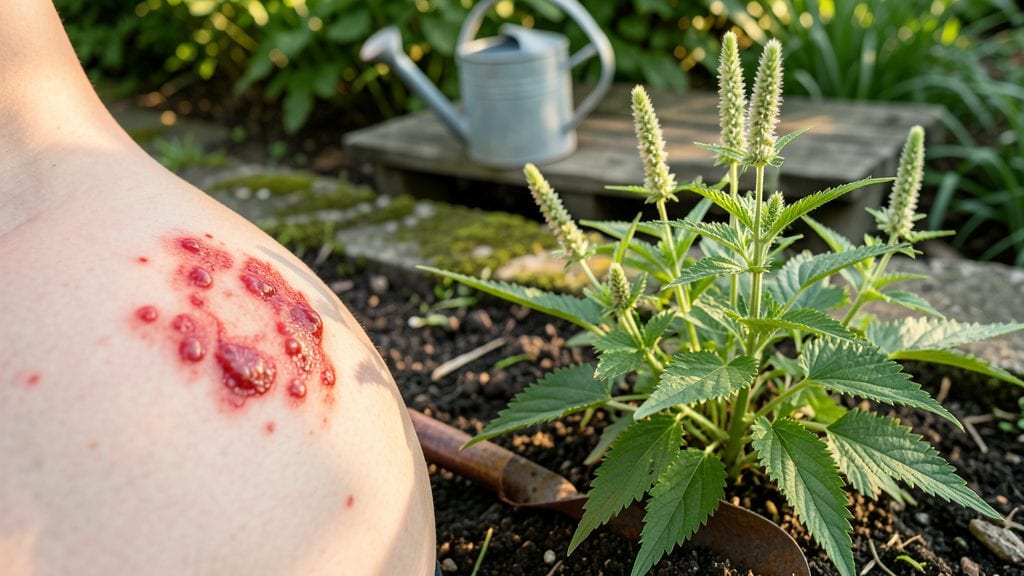
Gardening skin rashes happen faster than you’d think—especially when poison ivy or chemical burns catch you off guard. I’ve spent years treating my own itchy patches after a long day in the dirt, and I’ve learned which remedies actually work.
The key is acting fast with the right soothing agents before the irritation spreads.
Most rashes come from three culprits: toxic plants like poison ivy, harsh fertilizers, or allergic reactions to sap or soil. Even gloves won’t always protect you if you touch your face afterward. My go-to first aid?
A cold compress with baking soda paste—it pulls out the sting immediately. For stubborn redness, I keep a bottle of diluted apple cider vinegar in the shed; it calms inflammation better than over-the-counter creams.
You’ll notice relief within 30 minutes if you catch it early, and the itch fades completely by morning. The trick is rinsing with lukewarm water first to remove any lingering irritants, then applying a thin layer of aloe vera gel to lock in moisture.
For severe reactions—think swelling or blisters—don’t wait; see a doctor, because some plant toxins need prescription treatment.
Prevention is easier than you’d expect: long sleeves, gloves, and a quick shower with mild soap afterward cut down on 90% of flare-ups. I also keep a small bottle of calamine lotion in my gardening bag for emergencies.
The best part? Once you know the right steps, you can keep gardening without fear—just smarter.
Why it happens
Gardening is a rewarding pastime, but it can also turn your hands into an itchy, red mystery—especially if you’re not sure what’s causing that unwelcome skin reaction. The truth? Your rash isn’t just a random annoyance.
It’s your skin’s way of crying out against specific culprits lurking in your garden. Let’s break down the science behind the most common triggers and why they turn your green thumb into a red, irritated mess.
🌿 Plant Allergens: The Silent Invaders
Plants are the #1 culprit behind gardening rashes, and the reaction isn’t always about thorns or rough leaves. Many plants release urticating hairs, sap, or oils that trigger allergic contact dermatitis. For example:
- Poison ivy, oak, and sumac contain urushiol, a potent oil that binds to skin proteins, sparking an immune response. Even trace amounts can cause a delayed rash (24–72 hours later).
- Stinging nettles have microscopic hairs that inject formic acid and histamine, causing instant stinging and redness.
- Lilies, tulips, and daffodils contain irritating sap that can cause blisters or a rash in sensitive individuals.
💡 Pro Tip: If you’re unsure what plant triggered your rash, snap a photo and consult a dermatologist or use an app like iNaturalist to identify it.
🐛 Pests and Bug Bites: The Tiny Bite Thieves
Gardens are a buffet for insects, and their bites or stings can leave behind more than just a mark—they can trigger localized or widespread rashes. Common culprits include:
- Chiggers (red bugs): These mite larvae burrow into skin to feed on cells, leaving tiny, intensely itchy red bumps. Their saliva contains digestive enzymes that cause the rash.
- Fire ants: Their venom contains solenopsins, which cause immediate pain, swelling, and sterile pustules (fluid-filled blisters).
- Bees, wasps, and hornets: Their stings inject hyaluronidase, an enzyme that spreads venom quickly, leading to redness, itching, and sometimes hives.
- Caterpillars (e.g., saddleback caterpillar): Their spines inject venom that causes painful, linear welts and systemic reactions in some people.
🌡️ Watch For: If the rash spreads beyond the bite site, develops fever, or causes swelling in the throat, seek medical help—it could signal an anaphylactic reaction.
🧴 Chemical Irritants: The Invisible Assassins
Not all gardening rashes come from nature—some are courtesy of the tools and products you use. Chemicals like:
- Fertilizers (especially synthetic ones): High concentrations of ammonia, urea, or phosphates can strip natural oils from skin, leading to dryness, cracking, and irritation.
- Pesticides and herbicides: Ingredients like glyphosate or 2,4-D are linked to contact dermatitis in some individuals, causing redness, burning, and blisters.
- Soil and compost: While rich in nutrients, fresh soil can harbor bacteria (e.g., Pseudomonas) or fungi that trigger infections or allergic reactions, especially in broken skin.
✨ Safe Swap: Opt for organic, skin-safe fertilizers (like compost tea or fish emulsion) and wear nitrile gloves when handling chemicals.
💦 Physical Irritants: The Rough-and-Tumble Culprits
Sometimes, the rash isn’t from what you’re touching—it’s from how you’re touching it. Repeated friction, abrasions, or moisture can break down your skin’s barrier, making it vulnerable to:
- Dermatitis from tools: Rough handles, thorns, or even rusty metal (which can cause iron oxide irritation) create micro-tears in skin, letting in allergens or bacteria.
- Sweat and moisture: Prolonged exposure to damp conditions (like watering plants) softens skin, making it easier for yeast infections (e.g., Malassezia) or bacterial folliculitis to take hold.
- Sunburn + gardening combo: UV exposure weakens skin’s defenses, making it more reactive to plant oils or chemicals. This is why some gardeners develop rashes only on sun-exposed areas.
🎯 Prevention Hack: Wear breathable, moisture-wicking gloves and reapply zinc oxide sunscreen to exposed skin before heading outside.
Quick fixes for garden-related skin woes
If your gardening adventures left your skin red, itchy, or irritated, don’t panic—there’s a solution for every type of rash. The key is identifying the trigger (like poison ivy, allergens, or dryness) and acting fast.
Below, we break down cause-specific fixes to calm your skin, plus prevention tips to keep future gardening sessions rash-free.
These plants release urushiol, a sticky oil that causes blisters and itching. The sooner you act, the better.
🔥 Wash Immediately (First 10 Minutes Matter!)
- Use cool water + mild soap (like Dawn or Castile soap) to remove urushiol.
- Scrub gently—don’t scratch!—for at least 10–15 minutes.
- Rinse with a vinegar-soaked cloth (1:1 vinegar-water mix) to neutralize leftover oil.
🍳 Soothe with Over-the-Counter (OTC) Treatments
- Hydrocortisone cream (1%): Reduces inflammation. Apply 2–3 times daily.
- Calamine lotion or baking soda paste: Dries blisters and cools skin. Mix baking soda with water to form a paste.
- Oral antihistamines (like Benadryl): Cuts itching overnight. ⚠️ Avoid if you’re drowsy and operating machinery!
🌡️ Cool Compresses for Swelling
Soak a clean cloth in cool black tea (tannins reduce itching) or oatmeal water (blend oats into a paste). Apply for 10–15 minutes, 3x daily.
💡 Pro Tip: Avoid Folklore Remedies
Rubbing alcohol, bleach, or scrubbing with a brush won’t help—they can worsen irritation. Stick to science-backed soothers!
If your skin reacted to fertilizers, pesticides, or even latex gloves, you need to lock out the allergen and repair your skin barrier.
👨🍳 Rinse with a Gentle Cleanser
- Use a fragrance-free, hypoallergenic cleanser (like CeraVe or Vanicream).
- Pat dry with a soft towel—don’t rub!
🥘 Apply a Healing Barrier
- Zinc oxide cream or petroleum jelly: Locks in moisture and blocks irritants.
- Colloidal oatmeal gel (like Aveeno): Calms redness and itching.
⏰ When to See a Doctor
If the rash spreads, forms large blisters, or you develop fever/swelling, seek medical help—you may need oral steroids.
Gardening under the sun + wind = dry, cracked skin. Replenish moisture and shield your skin from further damage.
🔪 First Aid: Cool Down Fast
- Take a lukewarm shower (hot water worsens burns!).
- Apply aloe vera gel (direct from the plant or store-bought) to soothe.
🌡️ Moisturize Like a Pro
- Use a fragrance-free lotion with ceramides (like La Roche-Posay Lipikar) to repair the skin barrier.
- For extra dry patches, try coconut oil or shea butter (but avoid if you’re allergic!).
🎯 Prevention for Next Time
- Wear long sleeves, wide-brimmed hats, and SPF 30+ sunscreen (even on cloudy days!).
- Reapply sunscreen every 2 hours or after sweating.
- Keep a portable aloe vera spray in your gardening bag.
An ounce of prevention is worth a pound of itch relief! Follow these habits to garden without the rash.
💡 Gear Up Before You Start
- Wear nitrile or vinyl gloves (latex can cause allergies!).
- Choose loose-fitting, breathable clothing (long sleeves > short sleeves).
- Spray plants with water before touching—urushiol spreads easier on dry leaves.
🌡️ Clean Up After Every Session
- Shower within 30 minutes of finishing to wash off oils and dirt.
- Wash gardening tools and clothes separately with hot water.
- Store tools in a dry, ventilated area to prevent mold (another skin irritant!).
✨ Know Your Plants
If you’re unsure about a plant, don’t touch it! Learn to spot poison ivy (“leaves of three, let it be”) and keep it away from your garden.
Most garden rashes fade within 1–2 weeks with the right care. If symptoms persist or worsen, consult a dermatologist—they can prescribe stronger treatments like topical steroids or oral meds. Now go forth, garden with confidence, and keep your skin happy! 🌱💚
Frequently asked questions
What should I do if I touch poison ivy?
Wash your skin immediately with cool water and mild soap for at least 10–15 minutes to remove urushiol oil. Follow up with a vinegar-soaked cloth to neutralize any remaining residue. Avoid scratching, as it spreads the oil deeper into skin. Pro tip: Keep a bottle of Dawn soap in your gardening bag for emergencies!
Can I use hydrocortisone cream on a gardening rash?
Yes! 1% hydrocortisone cream is safe for most mild to moderate rashes caused by plants or chemicals. Apply a thin layer 2–3 times daily to reduce redness and itching. For severe reactions, see a doctor—they may prescribe stronger topical steroids. Always patch-test first if you have sensitive skin.
How long does a gardening rash usually last?
Most rashes from plants or chemicals clear up within 1–2 weeks with proper care. Poison ivy/oak rashes may take up to 3 weeks to fully heal. If redness, swelling, or blisters worsen after 48 hours or spread beyond the initial area, consult a dermatologist for stronger treatment options.
Are there any natural remedies that actually work?
Aloe vera gel (direct from the plant) soothes irritation, while cool black tea compresses (tannins reduce itching) work wonders. For chemical burns, try baking soda paste (mix with water) to neutralize acids. Just avoid folklore remedies like rubbing alcohol—they can worsen irritation.
Why do I keep getting rashes even when I wear gloves?
Gloves can fail if they have tiny tears, or if you touch your face/eyes afterward (transferring oils). Use nitrile gloves (thicker than latex) and change them frequently. Also, wash your hands immediately after removing gloves—urushiol and chemicals can linger on skin for hours.