Pests
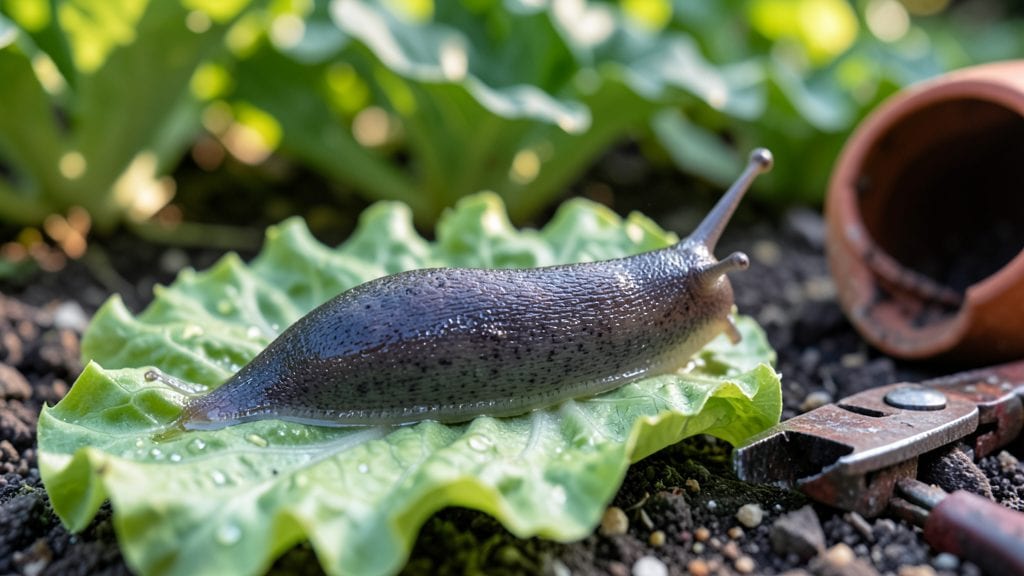
My slug traps garden became the difference between a crispy salad and a slimy one after my first beer trap night. 🌱 The problem? Slugs were turning my hosta leaves into lace overnight, and I refused to lose another season to their slime trails.
What worked was a mix of simple traps, natural barriers, and a little strategic placement—no chemicals, no guesswork.
The beauty of these traps is how easy they are to set up with stuff you already have. A beer trap uses a shallow container filled with beer (yes, the kind you drink), while copper tape creates an electric barrier that slugs avoid.
For a chemical-free option, crushed eggshells or coffee grounds work wonders around plant bases. The key is placing them where slugs love to hide—near mulch, under boards, or along garden edges.
By morning, you’ll see the results: fewer holes in leaves, more vibrant growth, and a garden that stays crisp instead of slimy. The traps work best when combined with early evening checks and a little cleanup of their favorite hiding spots.
Plus, your pets and kids stay safe while the slugs meet their match.
This method works for any garden—vegetable patches, flower beds, or container gardens—without harming the soil or your sanity. Ready to reclaim your plants from the slimy invaders? Let’s get started with what you’ll need and how to set it up right.
📚 In This Guide
- What you need
- Instructions
- Tips and common mistakes
- Wrapping up and next steps
What you need
- ● Plastic containers or shallow trays – 2-4 (use clear or dark-colored ones; 1-2 inches deep, ~6-8 inches wide). Pro tip: 💡 Yogurt cups or takeout containers work great!
- ● Non-toxic glue traps or double-sided tape – 1-2 rolls (opt for pet-safe options if you have furry friends).
- ● Beer, ale, or grape juice – 1-2 cups (slugs are irresistibly drawn to fermentation smells!).
- ● Wooden boards or flat rocks – 2-4 (to weigh down traps and create barriers).
- ● Garden twine or string – 1 small spool (for securing traps or boards).
- ● Scissors or box cutter – For cutting glue traps or containers if needed.
- ● Measuring cup – To portion out beer/juice evenly.
- ● Spray bottle with water – For dampening areas around traps (slugs love moisture!).
- ○ Gloves – Optional but handy for handling slimy slugs or sticky glue.
- ● A garden with visible slug activity (look for silvery trails or chewed leaves at dawn/dusk).
- ● Sunny or shaded spots near plants (slugs hide in damp, dark areas during the day).
- ● Patience and consistency – Traps work best when checked daily and replenished.
Step-by-Step instructions for slug traps garden
Here's how to set up effective, humane slug traps that actually work.
🪴 Step 1: Choose Your Trap Location and Materials
Place traps near problem areas where slugs gather—along garden edges, under dense foliage, or near water sources. I like to use shallow containers like plastic lids, pie tins, or small flower pots (anything 3-5 inches wide works). These need to be flat-bottomed so slugs can't crawl out easily.
Position traps at ground level where slugs naturally travel. Avoid placing them directly under plants, as you'll risk harming beneficial insects or drowning them in the process. A small amount of beer (about ½ cup per trap) is the key bait—slugs are attracted to the yeast and fermented scent.
💧 Step 2: Set Up the Beer Bait
Pour the ½ cup of beer into each trap. Use a dark beer (like stout or ale) for better results—slugs prefer the richer, yeastier flavors. The liquid should cover the bottom but leave ½ inch of space at the top so slugs can crawl in but not escape.
Place traps in the evening, just as slugs become active. They’ll crawl in, get drunk from the alcohol, and drown within hours. Check traps every morning and empty them—slugs decompose quickly in sunlight, creating a foul smell that deters other pests.
☀️ Step 3: Add Barriers for Extra Protection
For stubborn slug hotspots, combine traps with copper tape or diatomaceous earth. Wrap copper tape around vulnerable plants—slugs get a mild electric shock when they touch it and avoid the area. Sprinkle diatomaceous earth (about 1 cup per square yard) in a 2-inch band around garden beds to create a dry, abrasive barrier they can’t cross.
Reapply diatomaceous earth after rain—it loses effectiveness when wet. Copper tape lasts longer but may need occasional polishing to maintain its effectiveness. I like to use both methods together for the best defense.
⏰ Step 4: Monitor and Maintain Traps
Check traps daily and refresh the beer every 2-3 days to keep it effective. Slugs will return to the same spot if the bait is fresh. If you notice fewer slugs after a week, you can reduce trap frequency but keep them in place as a precaution.
Empty dead slugs into a sealed bag and dispose of them far from your garden. Never leave traps unattended for more than a day—slugs multiply fast, and you don’t want to attract predators like raccoons or birds that might investigate the traps.
🌱 Step 5: Prevent Future Infestations
After a few weeks, assess which areas still need protection. Remove any debris or mulch that slugs might hide under—keep garden beds clean and well-aerated. Plant slug-resistant varieties like lavender, rosemary, or geraniums near vulnerable plants to create a natural deterrent.
Water plants in the early morning so soil dries faster—slugs thrive in damp conditions. If you’ve had repeated issues, consider handpicking slugs at night with a flashlight and dropping them in soapy water (humane but effective).
Tips & tricks for perfect slug traps garden
Between us, these little tricks make all the difference when you're battling slugs in your garden.
The Beer Secret: Dark beers like stout or ale work best because slugs are drawn to the yeasty, fermented flavors. I've tried lighter beers, and they just don't attract as many slugs. Pro tip: Use beer that's been sitting out for a day or two—it develops more yeast activity that slugs can't resist.
Container Game-Changer: Don't overlook the importance of those shallow containers! The ½-inch space at the top is crucial—it lets slugs crawl in but makes it nearly impossible for them to climb out. I've used everything from pie tins to old flower pots, but anything wider than 5 inches gives slugs too much room to escape.
Timing is Everything: Slugs are most active at night and in the early morning, which is why Step 2 tells you to place traps in the evening. But here's what nobody tells you—if you're dealing with a severe infestation, set out a few extra traps in the late afternoon too. Slugs will start moving earlier when they sense danger from predators.
Barrier Strategy: When you're adding copper tape or diatomaceous earth in Step 3, focus on creating a continuous barrier around your garden beds. Leave no gaps—even a small break can let slugs slip through. For really stubborn areas, I double up by using both methods together. The copper tape deters them from crossing, while the diatomaceous earth creates a deadly zone if they try to crawl under it.
Pro Tips for Slug Traps Garden
- Between us, these little tricks make all the difference when you're battling slugs in your garden.
- The Beer Secret: Dark beers like stout or ale work best because slugs are drawn to the yeasty, fermented flavors.
- Container Game-Changer: Don't overlook the importance of those shallow containers!
Frequently asked questions
Got questions about setting up and using slug traps in your garden? You’re not alone! Here are some of the most common concerns—and straightforward answers—to help you tackle those slimy pests like a pro.
What’s the best time of day to check slug traps?
Early morning (between 5–9 AM) is ideal! Slugs are most active after nighttime moisture and before the sun dries them out. Check traps then, and again in the evening if you’re dealing with a severe infestation. Pro tip: Use a flashlight at night to spot slugs lurking near traps—just don’t forget your gloves!
How often should I empty or reset slug traps?
Empty traps every 24–48 hours to avoid odors attracting more slugs (or pests like rats!). Reset with fresh beer, yeast, or bait, and give the container a quick rinse with soapy water. Weekend warriors: Schedule trap maintenance during your regular watering routine to stay on top of it.
Are there humane alternatives to killing slugs?
Skip the beer trap and try these instead:
- Copper tape: Slugs hate the electric shock and avoid it naturally.
- Diatomaceous earth: Sprinkle food-grade DE around plants—it dehydrates slugs without harming them.
- Handpicking: Use a damp towel to scoop slugs into soapy water (release them far from your garden).
Why aren’t my slug traps working?
Troubleshoot with this checklist:
- Wrong bait? Slugs prefer yeast + sugar over plain beer.
- Traps too shallow? Use deep containers (6+ inches) so slugs can’t crawl out.
- Dry conditions? Slugs avoid traps if the ground is parched—water nearby plants to lure them in.
- Traps in the wrong spot? Place them under host plants (like lettuce or hostas) or along garden edges.
Can I reuse slug traps for other pests?
Yes! With a little tweaking:
- Rats/mice: Use peanut butter or bacon grease instead of beer.
- Ants: Fill with borax + sugar water (keep away from pets/kids!).
- Cutworms: Bury a can with beer to attract and drown them.
Wrapping up and next steps
Slug traps are your secret weapon against those slimy garden invaders, offering a simple, effective, and eco-friendly way to protect your plants without harsh chemicals.
Whether you opt for beer traps, coffee grounds, or DIY containers, these methods are low-cost, reusable, and easy to set up—perfect for both beginners and green thumbs. 🌱
Now that you’re armed with the know-how, take action this weekend! Start small with one trap, monitor its success, and expand as needed. Your garden will thank you—and so will your sanity. Happy trapping! 🐌🚫