
Tools
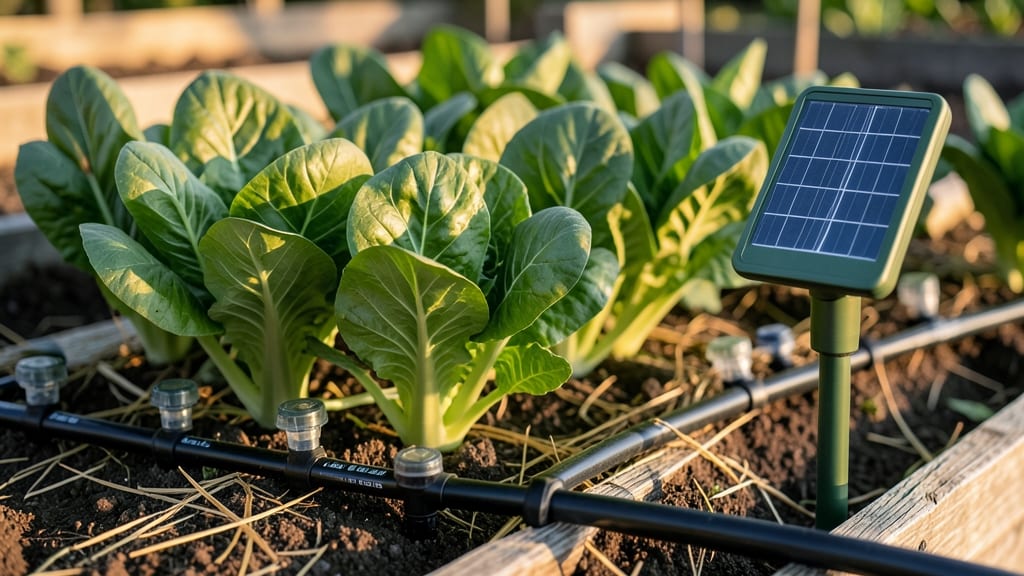
A smart gardening system automates irrigation, monitors soil moisture, and tracks plant health using sensors and mobile apps, reducing manual labor while optimizing water and nutrient efficiency for faster growth.
A smart gardening system transforms your garden into a high-tech ecosystem where your plants get exactly what they need—no guesswork required. 🌱 These systems use real-time data to adjust watering cycles based on soil conditions, preventing both drought stress and root rot.
Many also integrate with weather forecasts to pause watering during rain, saving you time and conserving resources. The beauty lies in their adaptability—whether you're growing delicate herbs or hardy vegetables, the system learns and adjusts to your specific environment.
Beyond water management, these systems often include features like automated fertilizers and pest alerts, giving you proactive control over your garden's health. The mobile app interface lets you monitor progress remotely, so you can check on your plants even when you're not in the yard.
For busy gardeners or those new to planting, this tech eliminates the trial-and-error phase, ensuring consistent results with minimal effort.
💡 In This Article
- How Smart Sensors Improve Plant Growth Conditions
- Top Features to Look for in a Reliable Smart Gardening Kit
How smart sensors improve plant growth conditions
At the heart of every smart gardening system are precision sensors that act like a plant's nervous system, collecting data points that would take hours to measure manually.
Soil moisture sensors, for example, use capacitive technology to detect water content by measuring the dielectric constant of the soil—essentially how much electricity the soil can hold.
When moisture levels drop below an optimal 40-60% volumetric water content (the sweet spot for most plants), these sensors trigger irrigation systems to deliver just the right amount of water, preventing both drought stress and waterlogging.
The science gets even more fascinating with temperature and light monitoring. Many advanced systems use thermistors to track soil temperature with ±0.5°C accuracy, while light sensors measure photosynthetically active radiation (PAR) in micromoles per square meter per second (µmol/m²/s).
This data helps adjust LED grow lights or even suggest the best time to harvest. For instance, tomatoes thrive at 70-80°F soil temperatures and need 1,000-1,500 µmol/m²/s of light—numbers that most gardeners would never track without these sensors. 💫
Nutrient tracking takes this a step further by analyzing electrical conductivity (EC) in the soil, which measures dissolved salts and minerals. When EC levels spike above 2.5-3.0 dS/m (a common threshold for many crops), the system knows your plants might be getting too much fertilizer and can adjust nutrient delivery.
This prevents salt buildup that would otherwise inhibit root growth. The real magic happens when these sensors feed data to algorithms that predict optimal watering schedules—like delivering 0.5 inches of water every 3-4 days for lettuce versus 1.5 inches weekly for tomatoes.
What most people don't realize is how these systems prevent common gardening mistakes through proactive alerts. For example, if a sensor detects consistent soil temperatures above 90°F for more than 24 hours, it might flag potential heat stress in your plants.
Similarly, sudden drops in light levels could indicate shading from new growth or pests blocking sunlight. These early warnings give you time to intervene before problems become visible—like yellowing leaves from overwatering or stunted growth from nutrient deficiencies. 🌱
Consider how this works in a real-world scenario: A smart system might detect that your basil plants are wilting at 2 PM despite recent watering. The sensors reveal the soil moisture is actually fine, but the ambient temperature has hit 95°F—a classic case of transpiration outpacing water uptake.
The system then adjusts to water in shorter, more frequent bursts during cooler morning hours, maintaining optimal 75-80°F leaf temperatures while preventing fungal growth from excess moisture on leaves.
The result? Plants grow 20-30% faster with these optimized conditions, and you avoid the common pitfalls of over- or under-watering that waste 30-50% of water in traditional gardening. It's not just about convenience—it's about creating the perfect microclimate for each plant's specific needs, down to the hour and degree. ✨