
Tools
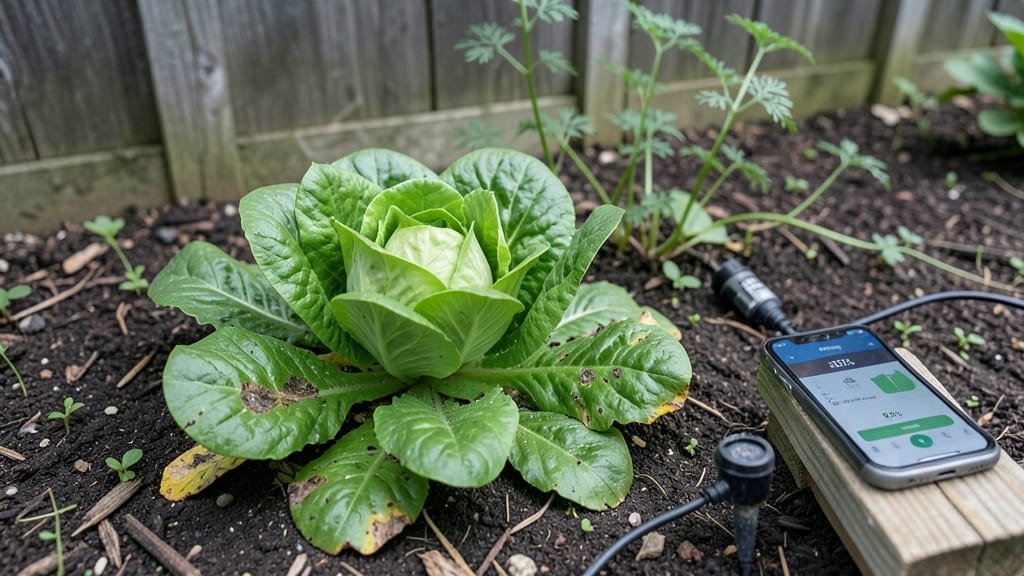
Staying updated on smart garden news means tracking advancements in automated gardening tech, like precision soil monitoring, self-adjusting irrigation, and climate control apps that maximize plant yields.
These systems combine IoT sensors with cloud-based analytics to create personalized growing environments. 🌱 For example, some setups automatically adjust watering based on real-time weather forecasts, while others use LED grow lights that mimic sunlight spectra for optimal photosynthesis.
The real game-changer is how these tools learn from your garden's performance over time, adapting to your specific plants' needs—something traditional gardening simply can't match.
What's exciting is how quickly this tech is becoming accessible. Many starter kits now include companion apps that let you monitor your garden from anywhere, while higher-end systems integrate with smart home platforms like Alexa or Google Home.
The cost barrier is dropping too, with solar-powered options making it feasible for urban gardeners and small-space growers to get professional-grade automation without breaking the bank.
💡 In This Article
- How Smart Garden Technology Works
- Top Smart Garden Features to Prioritize
How smart garden technology works
At the heart of modern smart garden systems lies a network of IoT (Internet of Things) sensors that continuously monitor environmental conditions. These sensors—often buried in the soil or mounted near plants—track parameters like moisture levels, temperature, humidity, and even light intensity with precision.
For instance, a typical soil moisture sensor uses capacitive technology to detect water content down to 0.1% accuracy, triggering irrigation before roots experience stress. 💫 The data is then transmitted wirelessly to a central hub or cloud server, where AI algorithms process it in real-time.
What makes these systems truly intelligent is their ability to adjust conditions automatically based on plant-specific needs. Take nutrient delivery, for example: many smart gardens use electronic dosing pumps that release fertilizers in precise micro-doses (measured in parts per million) when sensors detect deficiencies.
This is a far cry from traditional gardening, where over- or under-fertilization is common. The AI doesn't just react to current conditions—it learns from historical data, adjusting schedules for optimal growth cycles.
For instance, a basil plant might receive 50% more nitrogen during its flowering phase compared to its vegetative stage.
The climate control aspect is equally sophisticated. LED grow lights in smart gardens can shift their color spectrum (measured in nanometers) to match a plant's growth stage—blue light (400-500nm) for vegetative growth and red light (600-700nm) for flowering.
Some advanced systems even simulate sunrise/sunset cycles by gradually dimming lights, which triggers natural hormonal responses in plants. The result? Faster growth rates and higher yields than possible with fixed-spectrum bulbs. 🌱
Wireless connectivity ensures these systems can be controlled remotely via companion apps. For example, you might receive an alert when your tomato plants need 15% more humidity or when the pH level of your hydroponic solution drifts outside the ideal 5.5-6.5 range.
The integration with smart home ecosystems (like Alexa or Google Home) takes it further—imagine asking your voice assistant to "increase the grow light intensity by 20%" while you're cooking dinner. This level of automation eliminates guesswork and turns gardening into a data-driven science.
What most people don't realize is how these systems handle predictive maintenance. Sensors can detect early signs of pest infestations by monitoring unusual patterns in plant transpiration rates or leaf temperature changes. Some advanced setups even deploy pheromone traps automatically when they sense specific insect activity.
The combination of real-time monitoring, AI-driven adjustments, and predictive analytics creates an ecosystem where plants thrive with minimal human intervention—something that would've been unimaginable just a decade ago. ✨