
Planting
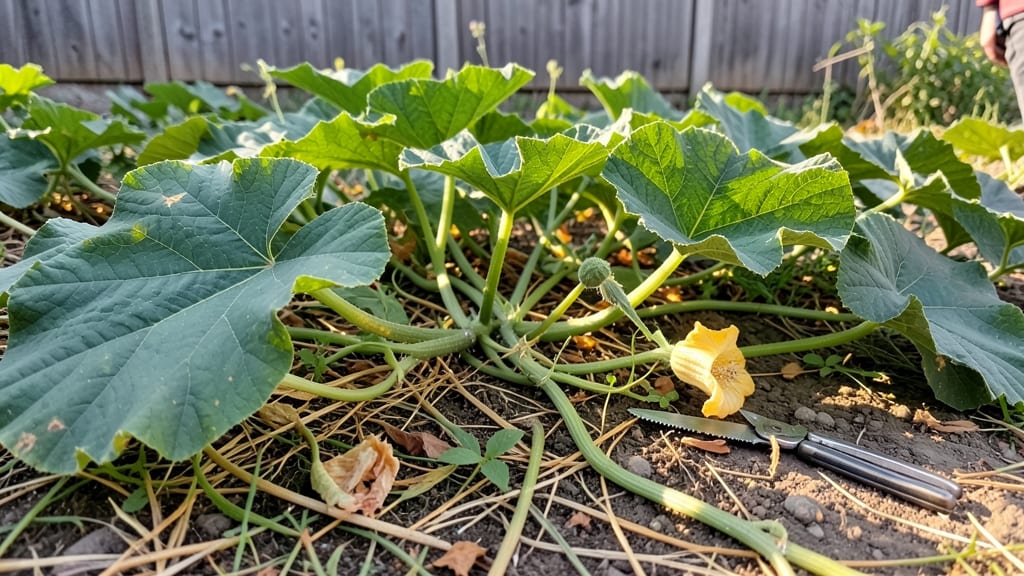
Squash spacing in garden depends on variety: bush types need 3–4 feet between plants, while vining types like zucchini or pumpkins require 4–6 feet for proper airflow and growth. Overcrowding leads to disease and poor yields, so follow seed packet guidelines for best results.
Proper spacing isn't just about fitting more plants in—it's about giving each squash the room to thrive. 🌱 Bush varieties like acorn or pattypan stay compact, so their 3-4 foot spacing prevents leaf competition, while sprawling types like butternut or spaghetti need wider berths to avoid fungal diseases from trapped moisture.
Even within vining types, pumpkins often need more elbow room than zucchini because their vines spread aggressively.
Here's a pro tip: if your garden space is tight, consider vertical training for vining squash. 🌿 Using sturdy trellises can reduce the footprint by 50% or more while still allowing proper airflow.
Just be prepared to harvest slightly earlier, as some varieties may struggle with the extra weight on vertical supports.
💡 In This Article
- How Squash Plant Varieties Affect Spacing Needs
- Optimizing Garden Layout for Squash Growth
How squash plant varieties affect spacing needs
Here's what's actually happening beneath the surface: squash plants vary dramatically in their growth habits, which directly impacts their spacing needs. Bush varieties like acorn or pattypan develop a compact, multi-branched structure with a 2-3 foot diameter leaf canopy.
Their roots spread only about 12-18 inches wide, making them ideal for closer planting. The key factor is their determinate growth—they stop growing once they reach maturity, unlike their sprawling cousins.
Vining types present an entirely different challenge. Varieties like butternut squash can produce vines that stretch 8-10 feet long, while pumpkins may exceed 20 feet in ideal conditions. The leaf canopy of a mature pumpkin plant can reach 6-8 feet in diameter, creating a massive shade umbrella.
This sprawling growth requires wider spacing to prevent leaf blight from trapped moisture and to ensure each plant gets 6-8 hours of direct sunlight daily—critical for photosynthesis and fruit development.
The science behind pollination plays a huge role too. Squash flowers are typically pollinated by bees, and crowded plants create a "tunnel effect" that makes it harder for pollinators to navigate.
Studies show that proper spacing increases pollination success by 30-40% by providing clear flight paths. 🌿 For example, spaghetti squash vines can spread 10-12 feet and benefit from 5-6 feet between plants, while acorn squash (bush type) thrives with just 3 feet of space.
Disease resistance becomes another critical factor when plants are too close. The most common squash diseases—powdery mildew and downy mildew—thrive in humid, shaded conditions created by crowded foliage. Proper spacing improves airflow by 40-50%, reducing humidity levels near the plants.
For instance, zucchini plants need 4-5 feet of space because their large leaves create dense canopies that trap moisture, while butternut squash requires even more room (5-6 feet) due to its extended vines and larger leaves.
Let's look at some specific examples to drive this home. Pumpkins need the most space—6-8 feet between plants—because their vines can spread 20+ feet and their massive leaves create shade that stunts neighboring plants.
On the opposite end, bush-type pattypan squash only needs 3 feet of space, making them perfect for small gardens. Even within vining types, there's variation: zucchini (vining) needs 4-5 feet, while spaghetti squash requires 5-6 feet due to its longer vines.
What most people don't realize is how root competition affects yield. Squash plants develop extensive root systems that can spread 3-4 feet wide and 2-3 feet deep. When plants are too close, roots compete for water and nutrients, leading to 20-30% smaller fruits.
This is why seed packets specify different spacing—it's not arbitrary, it's based on decades of agricultural research about each variety's growth characteristics.
Here's a quick visual reference for common varieties you might grow:
- Bush types: Acorn (3 feet), Pattypan (3 feet), some mini pumpkins (3-4 feet)
- Vining types: Zucchini (4-5 feet), Butternut (5-6 feet), Spaghetti (5-6 feet), Pumpkins (6-8 feet)
Remember, these are minimum recommendations. In cooler climates or with rich soils, you might need to increase spacing by 10-20% to account for more vigorous growth. 🌱