Size
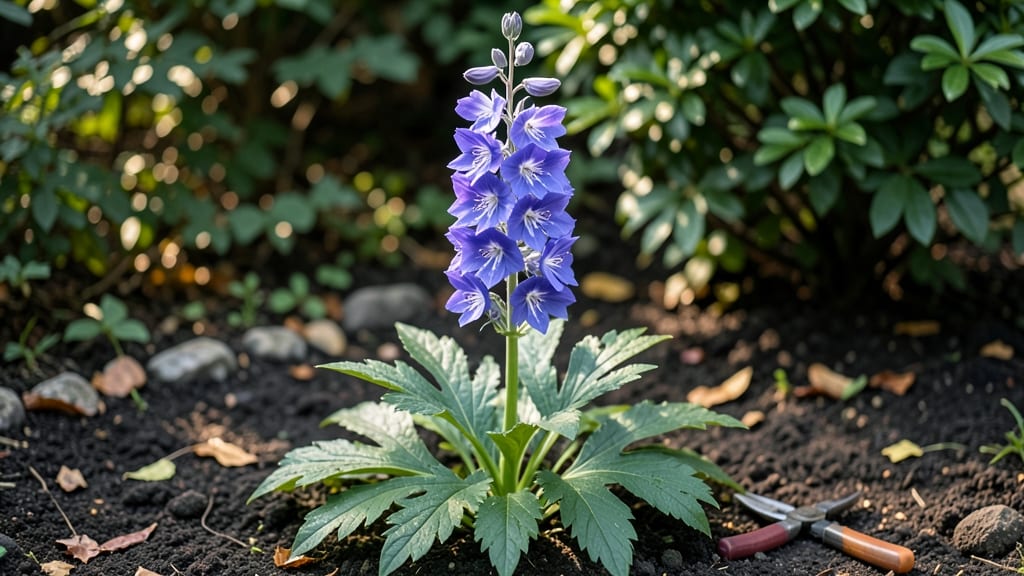
Tall garden plants transform any space into a lush vertical canvas. 🌿 I remember my first attempt at using them—planting a towering sunflower behind my patio, only to realize how much it blocked the neighbors' view.
Now, I use them strategically to create privacy, drama, and even edible harvests without taking up extra ground space.
The right tall plants can serve multiple roles: a 10-foot arborvitae for year-round privacy, a climbing rose for romantic trellises, or a sunflower for instant summer height. Perennials like hollyhocks and delphiniums add seasonal interest, while shrubs like ninebark or elderberry provide structure.
The key is matching their growth habits to your space—tallest plants at the back, medium heights in the middle, and shorter ones in front.
With the right placement, you’ll create a garden that feels grander than its footprint. Imagine morning light filtering through a lattice draped in clematis or a tall bamboo screen marking a cozy corner.
These plants thrive when given room to stretch, so mulch well, water consistently, and prune to encourage strong stems. The payoff? A garden that feels like a living work of art.
Works for any yard—urban balconies, suburban backyards, or rural homesteads. Whether you're framing a view or adding height to a flat landscape, these vertical giants deliver big results with minimal space. Let’s get your design growing!
📚 In This Guide
- What you need
- Instructions
- Tips and common mistakes
- Wrapping up and next steps
What you need
- ● Tall plants: Choose 3–5 mature plants (or seedlings) per section, depending on spacing needs. Popular picks: Sun-loving: Sunflower (Helianthus annuus), Hollyhock (Alcea rosea), or Clematis (Clematis spp.)
- ● Shade-tolerant: Fuchsia (Fuchsia spp.), Bleeding Heart (Dicentra spectabilis), or Climbing Hydrangea (Hydrangea petiolaris)
- ● Support structures: 1–2 trellises (6–8 ft tall, metal or wooden)
- ● OR obelisks/arbors (for climbing plants, 5–10 ft tall)
- ● OR privacy screens (lattice or slatted panels, 6–12 ft tall)
- ● Soil amendments: 1–2 bags compost (per plant)
- ● 1 bag slow-release fertilizer (10-10-10 or organic)
- ● Tools: 1 garden trowel
- ● 1 pruning shears
- ● 1 measuring tape
- ● 1 garden hose or watering can (with 1–2 gallon capacity)
- ● Mulch (2–3 inches, to retain moisture)
- ● Plant ties/stakes (for young plants)
- ● Drip irrigation kit (for low-maintenance watering)
- ● Decorative lights (solar-powered for ambiance)
- ● Birdhouses or feeders (to attract pollinators!)
- ● ✅ Sunlight assessment: Check if your space gets full sun (6+ hrs/day) or partial shade (3–6 hrs)—this dictates plant choices!
- ● ✅ Drainage check: Ensure your soil drains well (amend with perlite if needed).
- ● ✅ Space planning: Sketch a layout! Tall plants need 2–4 ft of spacing between each other (or per support structure).
How to design a stunning vertical garden with tall climbing plants
Turn wasted vertical space into a lush, eye-catching garden feature with these simple steps.
🌱 Step 1: Choose the Right Tall Plants for Your Space
Start with plants that naturally climb or self-support to 8-12 feet or taller. I recommend clematis for floral drama, morning glories for quick summer color, or hops for a bold, textured look. Check your hardiness zone—some varieties thrive in zones 3-9 while others need zones 5-10.
Look for plants with strong vines or self-clinging tendrils—these need less support. Avoid heavy climbers like wisteria unless you have sturdy structures. I always plant morning glories in containers first to test their growth habits before committing to permanent spots.
🪴 Step 2: Install Support Structures Before Planting
Set up your support system first—nothing ruins a vertical garden faster than retrofitting supports later. For trellises, use 6-foot tall metal or wooden frames with 2-inch square mesh for climbing roses or clematis. For arbors, opt for 8-foot tall arched designs to create a tunnel effect with morning glories.
Anchor supports securely into the ground or attach them to walls with heavy-duty brackets (I use ½-inch lag bolts for wood structures). Leave 6-12 inches of space between the base of the plant and the support to prevent rot from splashing soil.
☀️ Step 3: Plant with Proper Spacing and Light Exposure
Dig holes twice as wide as the root ball but only as deep as the container. Place your plant at the same depth it was growing before—burying the stem too deep can cause rot. For containers, use a 15-gallon pot for each climbing plant to ensure root stability.
Space plants 3-5 feet apart depending on their mature width. Most climbing beauties need full sun (6+ hours daily)—place them where they’ll get morning sunlight and afternoon shade if your climate is hot. I always plant mine near the south or west side of the house for maximum light.
💧 Step 4: Train Vines and Maintain Growth
Gently tie new growth to the support structure with soft plant ties every 4-6 inches as vines emerge. Don’t pull too tight—you want to guide, not strangle. Prune leggy growth in early spring to encourage bushier, healthier vines.
Water deeply 2-3 times per week until established, then taper to once weekly once roots are deep. Mulch with 2-3 inches of shredded bark to retain moisture and prevent weeds. Watch for yellowing leaves—this usually means overwatering or poor drainage.
✂️ Step 5: Prune and Harvest for Long-Term Beauty
Prune morning glories back to 6 inches after flowering to encourage a second bloom. For clematis, cut back dead stems in late winter and shape live ones in early spring. Harvest hops by twisting clusters gently to avoid damaging the plant.
Fertilize lightly in spring with a balanced 10-10-10 formula—too much nitrogen makes plants leafy but weak. Deadhead spent blooms regularly to redirect energy into new growth. With proper care, your vertical garden will thrive for years, adding height and drama to any space.
Tips & tricks for perfect vertical climbing plant gardens
Here's what I've learned from years of transforming blank walls into stunning vertical gardens—these tricks make all the difference.
Plant Selection Strategy: When choosing between clematis, morning glories, or hops, consider your climate first. Morning glories grow fastest and are perfect for quick summer color, while clematis offers long-lasting floral displays that thrive in zones 3-9. For a bold textured look, hops are unbeatable—but they need sturdy support since they can reach 12+ feet. I always test morning glories in containers first to gauge their growth habits before committing to permanent spots.
Support System Secrets: The 6-12 inches of clearance between plant base and support in Step 2 isn't just about preventing rot—it creates crucial airflow. For trellises, I recommend metal frames over wood if you live in humid climates, as they resist moisture damage better. Pro tip: Install your supports at least 2 weeks before planting to let them settle and prevent shifting when you add weight from growing vines.
Light Exposure Hack: Most climbing plants need full sun, but afternoon shade is a game-changer in hotter zones. I've found that planting near the south or west side of buildings captures morning sunlight while avoiding the harsh afternoon rays that can scorch delicate leaves. For containers, rotate them every few days to ensure even light exposure all around.
Training and Maintenance: Those soft plant ties every 4-6 inches in Step 4 should be checked weekly—they loosen as vines grow. I use fabric ties instead of wire because they won't cut into stems as they thicken. When pruning morning glories back to 6 inches, time it right: do it immediately after flowering for maximum second-bloom potential. For clematis, always prune in early spring before new growth appears.
Pro Tips for Tall Garden Plants
- Here's what I've learned from years of transforming blank walls into stunning vertical gardens—these tricks make all ...
- Plant Selection Strategy: When choosing between clematis, morning glories, or hops, consider your climate first. Morn...
- Support System Secrets: The 6-12 inches of clearance between plant base and support in Step 2 isn't just about preven...
Frequently asked questions
Got questions about maximizing vertical space with tall garden plants? Here are answers to the most common ones—plus a few pro tips to keep your climbing beauties thriving!
What are the best tall plants for small gardens?
Look for fast-growing and low-maintenance varieties like clematis, climbing roses, or hops. For shade, try ivy or star jasmine. If you want height + color, morning glories or passionflowers are showstoppers!
When is the best time to plant tall garden plants?
For perennials, plant in early spring (after the last frost) or fall (6 weeks before first frost). Annuals like morning glories can go in late spring once soil warms. Pro tip: Mulch after planting to retain moisture!
How do I support tall plants without damaging them?
Use trellises, arbors, or sturdy stakes—avoid wire mesh that can cut stems. For heavy climbers (like roses), opt for wooden or metal frames. Tie vines gently with soft plant ties (never wire) and retie as they grow. Train young plants early to prevent weak stems!
Why are my tall plants wilting or drooping?
Check for underwatering (deep water 1–2x/week) or overcrowding (prune to improve airflow). Pests (aphids, spider mites) or disease (powdery mildew) can also cause stress. Boost health with balanced fertilizer and prune dead leaves regularly.
What if I don’t want to deal with climbing plants?
No problem! Try tall ornamental grasses (like feather reed grass), tree-like shrubs (e.g., ornamental cherry), or bamboo (clumping types stay contained). For instant height, bamboo screens or lattice panels add structure without maintenance.
Wrapping up and next steps
Tall garden plants are your secret weapon for transforming even the smallest spaces into lush, vibrant vertical gardens! 🌿 From privacy screens to stunning focal points, these climbers and perennials add height, texture, and drama while requiring minimal ground space.
Whether you’re a seasoned gardener or just starting out, incorporating tall plants into your landscape is a rewarding way to maximize beauty and functionality.
Ready to get growing? Start small—pick one or two plants that suit your space and style, then expand as you gain confidence. Happy planting! 🌱