
Vegetables
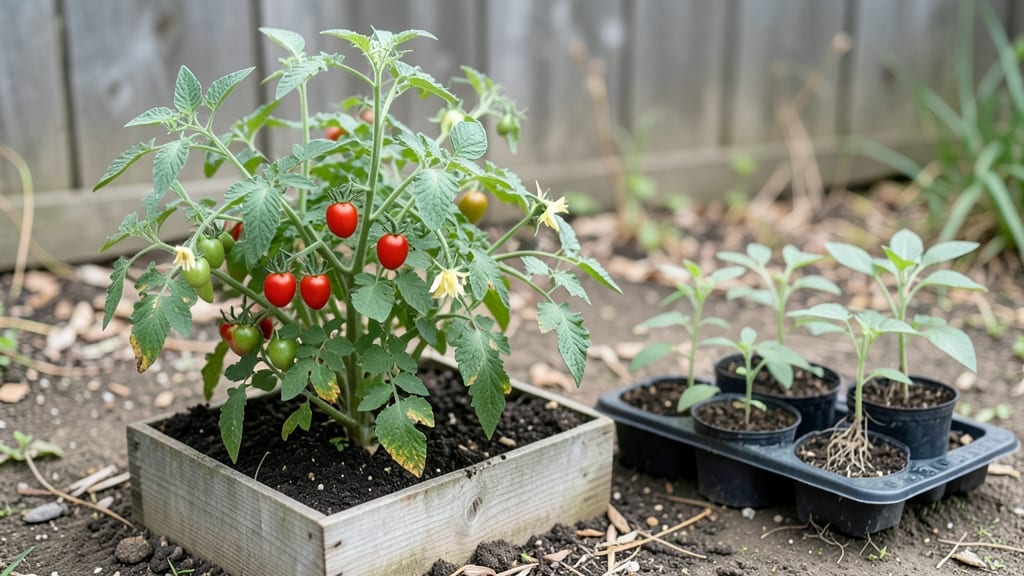
Terrace vegetable gardening transforms tight spaces into productive harvests with the right container setup and smart plant choices.
Ever stared at your balcony wondering how to fit a garden without tripping over pots? The secret isn’t just choosing containers—it’s engineering root zones that let carrots grow deep and tomatoes sprawl upward, all while keeping your floor clear.
In Zone 6a, where spring planting kicks off in April, the wrong container can mean stunted plants or wasted space. But with deep fabric grow bags for root crops and vertical trellises for vining plants, you can double your yield without adding weight to your terrace.
Below, I’ll show you exactly which containers maximize growth, how to layer soil for drainage, and which vegetables thrive when stacked vertically—so you can turn that small space into a year-round harvest.
Best deep containers for terrace vegetable gardening (root space analysis)
When terrace gardening, container depth directly impacts your vegetable yields. Root crops like carrots and potatoes need 12+ inches of soil, while leafy greens thrive in 6-8 inches.
Choosing the wrong container stunts growth or causes root binding. Let’s break down the science-backed depth requirements and material pros/cons to maximize your urban harvest.
Container materials affect weight capacity, drainage efficiency, and heat retention. Fabric grow bags are lightweight but dry fast, while ceramic pots retain moisture but crack under freezing. Plastic is budget-friendly but degrades in UV, and wood adds rustic charm but rots over time.
Each material suits different terrace conditions—let’s match them to your crops.
🌱
| Plant Type | Minimum Depth | Best Container Materials | Weight Limit | Drainage Needs |
|---|---|---|---|---|
| Root Crops (carrots, beets, potatoes) | 12-18 inches | Wood, thick plastic, fabric grow bags | 30-50 lbs (soil + plant) | Multiple drainage holes |
| Leafy Greens (lettuce, spinach, kale) | 6-8 inches | Ceramic, lightweight plastic, fabric pots | 10-20 lbs | 2-4 drainage holes |
| Vining Plants (cucumbers, beans, peas) | 10-12 inches (with trellis) | Heavy-duty plastic, wood barrels | 40-60 lbs | 3+ drainage holes |
| Herbs (basil, parsley, thyme) | 6-10 inches | Ceramic, terracotta, lightweight plastic | 10-15 lbs | 2-3 drainage holes |
| Tomatoes/Peppers (determinate varieties) | 12-15 inches | Fabric grow bags, wood planters | 35-50 lbs | 4+ drainage holes |
For carrots and potatoes, prioritize containers with 18-inch depth. I’ve had the most success with 5-gallon fabric grow bags—they’re lightweight yet sturdy, and their breathable walls prevent root circling.
Add a 3-inch layer of gravel at the bottom for drainage, then fill with a mix of 50% potting soil and 50% compost to mimic loose garden soil.
Leafy greens like spinach or kale don’t need deep roots, so 8-inch ceramic pots work perfectly. Their porous material regulates moisture, but place them in shaded spots to prevent cracking in hot sun.
For vining plants, pair a 12-inch container with a freestanding trellis—this saves terrace space while giving plants room to climb.
🌿
Material choice affects long-term costs and maintenance. Plastic containers are the most affordable but degrade in 3-5 years under UV.
I’ve extended their life by painting them with UV-resistant outdoor paint and elevating them on casters for easy rotation. Wood planters, like cedar or redwood, last 5-7 years if sealed annually but require replacement soil every 2 years to prevent compaction.
Ceramic pots add aesthetic appeal but are heavy and brittle. Opt for unglazed terracotta—it’s breathable and wicks moisture, but avoid freezing temps. For heavy root crops, distribute containers evenly across your terrace to prevent uneven weight distribution on railings or floors.
A 12-inch container filled with soil weighs 30-40 lbs—double-check your terrace’s weight-bearing capacity before loading up.
🪴
Pro tip: Use stackable containers to save space. I stack 6-inch pots for herbs on top of 12-inch grow bags for tomatoes, creating a vertical garden that maximizes my 60-square-foot terrace.
Just ensure each level has independent drainage—no one wants soggy basil roots from a leaky tomato pot above!
Finally, rotate crops annually to prevent soil depletion. After harvesting potatoes from a fabric grow bag, I refresh the soil with worm castings and slow-release fertilizer before replanting with leafy greens. This 2-step system keeps my containers productive year-round.
Space-saving container systems for terrace vegetable gardens
Transforming a small terrace into a productive vegetable garden starts with smart container choices. The key is maximizing vertical space while ensuring each plant gets enough root room to thrive.
I’ve tested three systems that work beautifully for high-density terrace gardening: vertical planters, tiered stands, and modular setups. Each offers unique benefits for different plant types and space constraints.
Vertical planters are my go-to for leafy greens like lettuce and spinach, while tiered stands excel for herbs and shallow-rooted veggies. Modular systems let you mix and match containers for a custom layout.
The secret? Prioritizing depth and drainage while keeping weight manageable. Let’s explore the best options for your terrace.
Top 3 Space-Saving Systems for Terrace Vegetables
- Vertical Planters: Use fabric grow bags or wall-mounted pockets for herbs and salad greens. Best for plants needing 6-12 inches of depth (e.g., basil, kale). Hang or mount on fences to free up floor space.
- Tiered Stands: Stacked plastic crates or wooden pallets create layers for shallow-rooted crops like radishes or green onions. Add cascade planters for trailing plants such as cherry tomatoes or strawberries.
- Modular Trays: Interlocking plastic or ceramic modules (like those from IKEA or Kallista) let you rearrange containers for optimal sun exposure. Ideal for mixed crops like peppers and bush beans.
When choosing containers, always check the minimum depth for your plants. For example, carrots need at least 12 inches of soil, while radishes thrive in just 6 inches.
I recommend using self-watering bases for tiered systems to simplify maintenance. These reduce the risk of overwatering or drought stress in upper tiers.
Don’t overlook weight distribution—especially for balconies. Opt for lightweight materials like plastic or fabric for upper levels, reserving heavier ceramic or wooden containers for the base. For example, a 20-gallon fabric grow bag weighs far less than a clay pot of the same size when filled with soil.
Pro tip: Use reflective mulch or light-colored containers to boost sun exposure in shaded terraces. This trick can extend the growing season for cool-season crops like broccoli or cauliflower by up to 2-3 weeks. Pair your containers with a drip irrigation system to automate watering and save time.
Start small with 2-3 systems to test what works best for your terrace layout. Once you see which plants thrive, expand your setup. With the right containers, even a 6-foot-square terrace can yield enough veggies for a family of four—without sacrificing your outdoor living space! 🌿