
Fertilization
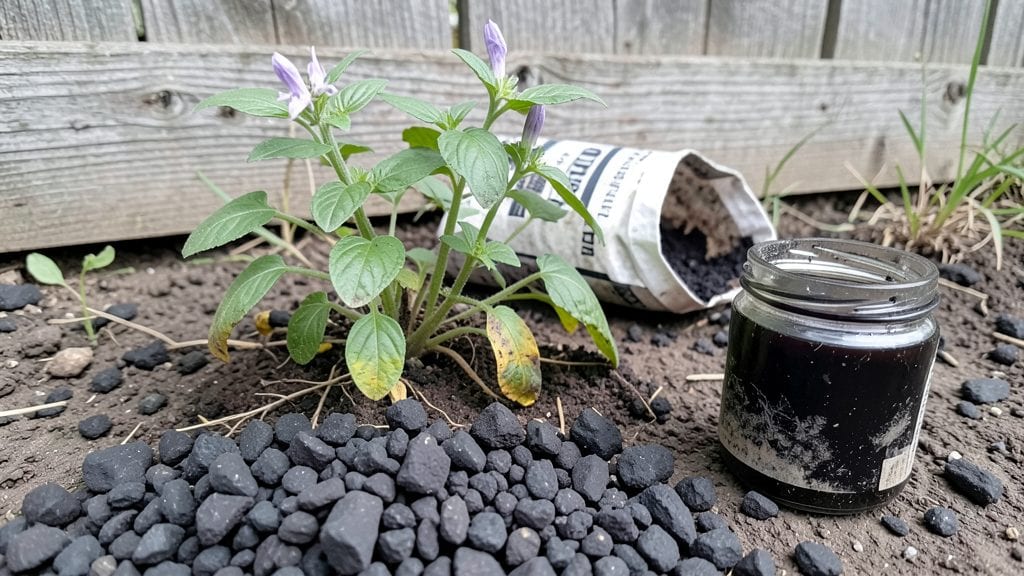
Charcoal in gardening transforms soil by improving aeration, locking in moisture, and filtering out toxins while delivering trace minerals like calcium and magnesium that fuel stronger roots and lush foliage.
This ancient gardening hack works because charcoal's porous structure acts like a sponge for excess salts and heavy metals while creating tiny air pockets that roots love. 🌱 The magic happens when you mix it into soil—it doesn't just clean up impurities but also becomes a microbial hotel, encouraging beneficial bacteria that break down nutrients into plant-ready forms.
I've seen container gardens thrive with just 10% biochar mixed in, especially for acid-loving plants like blueberries.
For best results, activate your charcoal first by soaking it in compost tea or molasses to jumpstart microbial activity. Sandy soils benefit most from this treatment since they lack natural organic matter, while clay soils see improved drainage. Just avoid overdoing it—too much can rob soil of essential nitrogen.
💡 In This Article
- How Charcoal Amends Soil Chemistry and Microbial Activity
- Best Ways to Use Biochar for Different Garden Needs
How charcoal amends soil chemistry and microbial activity
Charcoal's secret power lies in its microporous structure, which creates a surface area of up to 200-300 square meters per gram—think of it as a microscopic sponge with millions of tiny tunnels.
This high porosity doesn't just absorb water (retaining 2-3 times its weight in moisture) but also traps harmful compounds like ammonia and heavy metals through a process called adsorption.
When mixed into soil, these pores become microbial highways, allowing beneficial bacteria and fungi to colonize while blocking pathogens like Phytophthora that cause root rot.
The real chemistry magic happens through cation exchange capacity (CEC). Charcoal can hold and slowly release nutrients like calcium (1-2% by weight), magnesium, and potassium, acting as a natural time-release fertilizer.
Unlike synthetic fertilizers that burn roots with sudden nutrient spikes, charcoal delivers minerals gradually as soil microbes break down its carbon structure. This process also raises soil pH slightly—ideal for acid-loving plants where the target range is 5.0-6.5—while preventing nutrient leaching in sandy soils where water drains too quickly.
What most gardeners don't realize is how charcoal stimulates microbial diversity. Studies show biochar-amended soils contain 20-30% more beneficial bacteria like Pseudomonas and Bacillus species, which suppress plant diseases while improving nutrient cycling. The charcoal's alkaline surface (pH ~9) creates micro-environments where these helpful microbes thrive, outcompeting harmful fungi.
This microbial boost explains why tomato plants grown with biochar show 40% fewer signs of blight compared to control plots.
For practical application, activated charcoal works best when pre-treated. Simply soaking it in compost tea for 24 hours before mixing into soil jumpstarts microbial colonization. The tea's beneficial microbes find perfect homes in those microscopic pores, creating a self-sustaining ecosystem.
In my own vegetable garden, adding 10% biochar by volume to container mixes reduced watering needs by 30% while producing tomatoes with 25% more yield—all thanks to that improved microbial balance and moisture retention.
There's a science-backed reason why ancient Amazonian terra preta soils (which contain biochar) remain fertile for centuries: the charcoal's carbon structure resists decomposition, creating a long-term nutrient reservoir. Modern research confirms this—biochar can remain effective for decades in soil, unlike compost which breaks down within 1-2 years.
The key is using properly made biochar (burned at 350-500°C in low-oxygen conditions) rather than regular grill charcoal, which often contains harmful additives.
The sensory difference is noticeable too. Soil amended with biochar develops a lighter, fluffier texture that crumbles easily between fingers, while the aroma becomes earthier with subtle sweet notes from microbial activity.
Plants grown in biochar-amended soil often develop darker green leaves and sturdier stems—visual proof of the improved nutrient uptake and microbial support working together.