
Planting
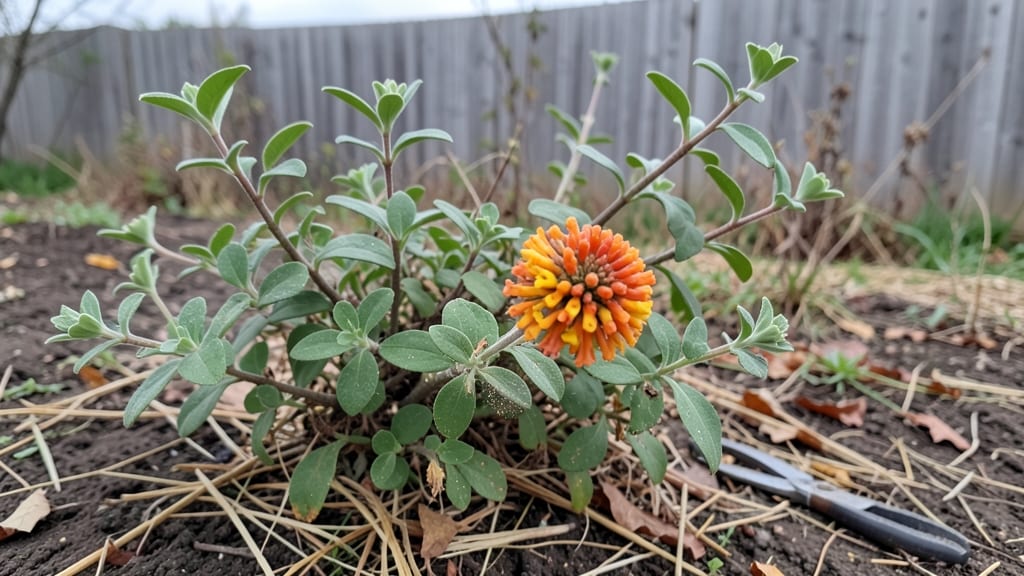
Texas flower gardening isn’t just about surviving the heat—it’s about creating a riot of color that thrives when others fade. 🌺 I’ve designed gardens here that burst with blooms from February through November, using plants that laugh at drought and sizzling sun.
The key isn’t fighting the climate; it’s working with it by choosing the right tough, vibrant stars for your plot.
Start with native Texas favorites like blackfoot daisies (those cheerful yellow blooms that never quit) and Mexican feather grass for texture, both of which drink deeply but rarely.
Add in salvias for dramatic spikes of purple or red that hummingbirds adore, and autumn sage for fall color that lasts until frost.
Mix in a few lantanas—they’re the workhorses of summer, blooming nonstop in pink, orange, or yellow—while keeping soil light and amended with compost to help roots reach water deep below.
Your garden will reward you with bold swaths of color that shift seasons—think bluebonnets in spring, zinnia explosions in summer, and gaillardia fireworks in fall. The best part? Once established, these plants need water only once a week, and they’ll outlast any store-bought annuals by years.
Even in 100-degree heat, your garden stays lush while your neighbors’ wilts.
We’ll cover layout tricks to maximize shade where it counts, mulching secrets to lock in moisture, and how to layer plants so something’s always blooming. Texas gardens don’t just survive—they shine.
📚 In This Guide
- What you need
- Instructions
- Tips and common mistakes
- Wrapping up and next steps
What you need
- ● Native Texas flowers: 5–10 plants per variety (e.g., Bluebonnets, Black-Eyed Susans, Lantana, or Mexican Feather Grass).
- ● Soil amendments: 2–3 bags compost (for nutrient-rich soil).
- ● 1 bag sand (to improve drainage in clay-heavy Texas soil).
- ● Mulch: 2–3 cubic yards of shredded bark or pine straw (to retain moisture and suppress weeds).
- ● Organic fertilizer: 10–15 lbs of balanced 10-10-10 or slow-release granular fertilizer.
- ● Watering system: Drip irrigation kit or soaker hoses (for efficient hydration).
- ● Basic tools: 1 garden trowel (for planting small flowers).
- ● 1 garden fork (for breaking up soil).
- ● 1 pruners (for trimming dead blooms).
- ○ Optional (but helpful!): Wheelbarrow (for hauling soil/mulch).
- ● Garden gloves (to protect your hands).
- ● Kneeling pad (for comfort during planting).
- ● Sunlight assessment: Know your garden’s sun exposure (full sun, partial shade, or full shade).
- ● Water source: Ensure access to a garden hose or irrigation system.
- ● Local climate know-how: Check USDA Hardiness Zone 8a–9b guidelines for Texas.
- ○ Pest control plan: Optional neem oil or companion planting to deter pests naturally.
How to design a thriving Texas flower garden
Here's the method I rely on to create vibrant, low-maintenance gardens that thrive in Texas heat.
🌱 Step 1: Select Heat-Tolerant Varieties for Year-Round Color
Texas' intense sun and heat demand flowers with thick, waxy leaves and deep root systems. I always start with Lantana for its drought resistance and nonstop blooms, paired with Blackfoot Daisy for its ability to handle both heat and humidity. Add Mexican Feather Grass for texture and movement—it thrives in full sun and requires almost no water once established.
For cooler months, incorporate Mexican Bush Sage and Blue Porterweed—both bloom from fall through spring. These selections ensure your garden stays colorful without constant deadheading. I avoid delicate annuals like petunias unless planted in shaded spots with afternoon relief.
☀️ Step 2: Plan for Sun Exposure and Soil Drainage
Texas gardens need 6+ hours of direct sun daily for most flowering plants. I group sun-lovers together in the south-facing areas of the bed, leaving only 20-30% shade for heat-sensitive varieties like Salvia 'Victoria Blue'. Use raised beds or mounded soil to improve drainage—flat areas trap heat and water, leading to root rot.
Amend native clay soil with 2-3 inches of compost before planting to improve structure. I test soil pH first—most Texas natives prefer slightly alkaline conditions (pH 7.0-8.0). If your soil is too acidic, add crushed limestone to adjust. Never skip this step—poor drainage ruins even the hardiest flowers.
💧 Step 3: Establish a Watering System for Drought Resilience
Deep, infrequent watering builds root systems that withstand Texas droughts. I install drip irrigation on a timer set for 30 minutes every 3-4 days during peak heat (June-August). Water in the early morning to prevent fungal diseases from overnight moisture. For new plantings, water daily for the first 10-14 days to encourage root establishment.
Mulch with 2-3 inches of shredded hardwood mulch immediately after planting to lock in moisture and regulate soil temperature. I always leave a 2-inch gap around stems to prevent rot. This mulch layer also suppresses weeds—critical in Texas' aggressive summer growth season.
✂️ Step 4: Prune Strategically for Continuous Blooms
Most Texas flowers reward light, regular pruning rather than heavy cuts. For Lantana, I pinch back leggy stems after flowering to encourage bushier growth. With Blackfoot Daisy, I remove spent blooms weekly to prevent seed formation and redirect energy into new flowers.
Never prune more than one-third of the plant at once—this stresses even heat-tolerant varieties. I use sterilized pruners and make cuts just above a leaf node or lateral branch. For woody shrubs like Mexican Bush Sage, a light trim after spring blooms keeps them compact and flowering vigorously.
🪴 Step 5: Maintain Soil Health Through Seasonal Amendments
Texas heat depletes soil nutrients quickly. I top-dress beds with 1-2 inches of compost in early spring and again after the first hard frost. For flowering plants, a balanced 10-10-10 fertilizer applied in February and August provides steady nutrition without promoting excessive leafy growth at the expense of blooms.
Monitor for pests—especially aphids and whiteflies—which thrive in Texas' warm winters. I use neem oil spray preventively every 4-6 weeks during growing seasons. Healthy soil with diverse microbes naturally deters many pests, so I never skip the compost applications.
Tips & tricks for perfect Texas flower gardens
Creating a thriving Texas flower garden isn't just about planting—it's about understanding the unique challenges of our climate and working with it. Here are the insights I've gathered after years of trial and error in my own backyard.
Sun Exposure Strategy: In Step 2, when planning your sun exposure, pay special attention to the 6+ hours of direct sun requirement. I've found that positioning your sun-loving plants on the south-facing side of the bed creates a natural microclimate that extends their sunlight exposure by up to 30 minutes during peak summer hours. This extra light makes all the difference for varieties like Lantana and Blackfoot Daisy, which thrive on maximum sun exposure.
Soil Preparation Insight: That 2-3 inches of compost recommendation in Step 2 isn't just about nutrients—it's about transforming Texas' heavy clay soil. I've learned to mix in a 50/50 ratio of compost to native soil when amending beds. This creates better aeration and drainage while still providing the nutrients your flowers need. The key is to work it in thoroughly—don't just spread it on top.
Watering System Optimization: The 30-minute every 3-4 days watering schedule in Step 3 works beautifully, but here's the secret: adjust your timer based on seasonal rainfall. During our typically dry months (March-May and September-November), stick to the schedule. However, during our summer monsoon season (June-August), you can often extend the interval to every 5-7 days once plants are established, as the frequent afternoon rains often provide enough moisture.
Pruning Technique: When you're doing that light, regular pruning in Step 4, focus on removing only the oldest flowers first. This technique, called "successive blooming," encourages continuous flowering by always leaving some blooms to set seed while removing others. For Lantana specifically, I've found that pinching back the tips of new growth (not just spent blooms) after the first flush of flowers creates a bushier plant with more blooming sites.
Pro Tips for Texas Flower Gardening
- Creating a thriving Texas flower garden isn't just about planting—it's about understanding the unique challenges of our climate and working with it.
- Sun Exposure Strategy: In Step 2, when planning your sun exposure, pay special attention to the 6+ hours of direct sun requirement.
- Soil Preparation Insight: That 2-3 inches of compost recommendation in Step 2 isn't just about nutrients—it's about transforming Texas' heavy clay soil.
Frequently asked questions
Got questions about turning your Texas yard into a vibrant flower garden? Here are answers to some of the most common inquiries—straight from fellow gardeners who’ve thrived in the Lone Star State’s climate!
When’s the best time to plant flowers in Texas?
The ideal planting window depends on your zone! For most of Texas, spring (February–April) and fall (September–November) are goldilocks seasons—avoiding brutal summer heat or winter freezes. Annuals like zinnias and marigolds love spring, while perennials such as black-eyed Susans and salvias prefer fall planting for stronger roots.
How do I keep my Texas flower garden hydrated without wasting water?
Texas heat can turn soil to dust faster than you can say “drought.” Start by mulching with straw or wood chips to retain moisture, and water deeply early in the morning (5–9 AM) to reduce evaporation. Group plants with similar needs together, and consider drip irrigation or soaker hoses for efficient watering—your wallet (and the environment) will thank you!
What are some low-maintenance flowers that thrive in Texas heat?
If you’re short on time but not on ambition, these tough beauties will steal the show with minimal fuss:
- Texas Ranger (Lantana) – Drought-resistant, blooms nonstop, and attracts butterflies.
- Blackfoot Daisy – Thrives in poor soil, loves heat, and needs almost no pruning.
- Portulaca (Moss Rose) – Succulent-like and perfect for rocky or sandy soil.
Pro tip: Salvia and Mexican Bush Sage are also superstars for pollinators and low upkeep!
Why are my Texas flowers wilting or turning brown?
Troubleshooting tips.
Wilting or browning leaves can mean a few things—here’s how to diagnose:
| Symptom | Likely Cause | Fix |
| Crispy, brown edges | Underwatering or windburn | Water deeply; mulch to retain moisture; protect from harsh winds. |
| Yellowing leaves | Overwatering or poor drainage | Check soil moisture; amend with compost; ensure pots have drainage holes. |
| Sudden wilting (no browning) | Root rot or pests (like aphids) | Inspect roots; trim affected areas; treat with neem oil if needed. |
Always check the underside of leaves for pests—Texas bugs love sneaking in!
Can I grow flowers in containers if I live in a small Texas apartment?
Containers are perfect for urban gardeners—just pick heat-loving annuals like petunias, vinca, or verbena and use well-draining soil mixed with perlite or sand. Place pots in partial shade during peak afternoon sun (1–3 PM), and rotate them weekly for even growth. Hang baskets with fuchsias or lobelia for vertical charm, and don’t forget to fertilize every 2–3 weeks with a balanced liquid feed.
Wrapping up and next steps
Creating a vibrant Texas flower garden is all about embracing the bold colors and resilient blooms that thrive in the Lone Star State’s unique climate. From sun-loving natives to drought-tolerant favorites, your garden can burst with life year-round with the right planning and care.
Whether you’re a seasoned gardener or just starting, every petal planted is a step toward a stunning outdoor oasis!
Ready to take the next step? Start small—pick a sunny spot, gather your favorites, and let your green thumb shine! 🌸 For extra inspiration, sketch a simple layout or browse local nurseries for Texas-friendly varieties. Happy gardening!