
Tools
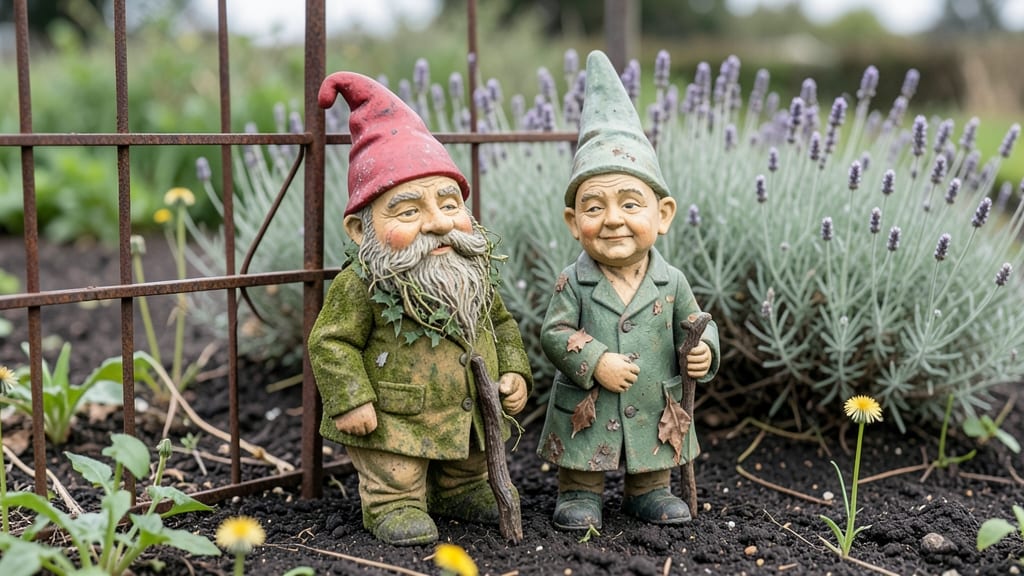
Unique garden gnomes are crafted from hand-painted resin, weathered ceramic, hand-carved wood, or recycled metal, each offering distinct textures and durability for outdoor use. Custom designs often feature mixed-media techniques like mosaic tiles or glass embeds for artistic flair.
These whimsical garden accents aren't just functional—they're works of art that transform your outdoor space into a one-of-a-kind display. 💫 The choice of material determines how your gnome ages over time: resin stays vibrant with minimal upkeep, while ceramic develops a charming patina from natural weathering.
I've seen gardeners pair hand-carved wood gnomes with rustic stone pathways, or use recycled metal pieces as focal points in modern landscapes. What's fascinating is how each material tells a different story about your garden's personality.
For those who love DIY projects, creating your own unique gnomes lets you experiment with upcycled materials like old teapots or vintage tools. Professional artisans, on the other hand, often use specialized techniques like kiln-firing ceramic or precision-molding resin to achieve intricate details.
The beauty lies in the customization—whether you want a gnome that matches your garden's color scheme or tells a personal story through its design.
💡 In This Article
- Material Properties in Garden Gnome Crafting
- DIY vs. Handmade Unique Garden Gnomes
Material properties in garden gnome crafting
The durability of garden gnomes depends entirely on their construction materials, each with distinct chemical compositions that determine how they withstand outdoor elements. Resin, for example, is made from synthetic polymers that create a lightweight yet sturdy structure with a specific gravity of about 1.2-1.4.
This makes it 30-40% lighter than ceramic while maintaining excellent impact resistance. The plasticizers in resin also give it natural flexibility, preventing cracks from minor impacts like hail or falling branches.
Ceramic gnomes undergo a firing process at 1,800-2,500°F, which vitrifies the clay particles into a glass-like structure. This creates a material with 90% greater compression strength than resin but with a trade-off: ceramic's porosity means it absorbs moisture, leading to that coveted weathered patina over time.
The iron oxides in ceramic also develop beautiful rust hues when exposed to rain and sunlight, creating natural color variations that resin simply can't replicate.
For wood gnomes, the choice often falls on cedar or teak due to their natural oils that resist rot—cedar contains 0.03% thujaplicin, a compound that acts as a natural preservative.
Metal gnomes offer the longest lifespan when properly coated, thanks to their corrosion-resistant alloys. A high-quality galvanized steel gnome can last 50+ years in outdoor conditions, while copper develops a protective patina that actually enhances its aesthetic appeal over time.
The key difference here is surface treatment: powder-coated metals prevent chipping better than traditional paint, while anodized aluminum offers 95% better UV resistance than untreated metals. This is why you'll often see professional garden gnome makers use anodized aluminum for intricate designs that need to maintain vibrant colors.
What most people don't realize is how material choice affects maintenance requirements. Resin gnomes can be cleaned with just soap and water, while ceramic requires occasional sealing every 2-3 years to prevent moisture absorption.
Wood gnomes need annual oiling to maintain their natural resistance, and metal pieces should be inspected for rust spots every 6-12 months.
The trade-off between low-maintenance resin and the organic charm of weathered ceramic becomes clear when you consider your garden's aesthetic goals versus your willingness to perform regular upkeep.
For custom designs, artisans often combine materials to leverage their strengths. A popular technique is embedding 1/8-inch thick glass mosaics into resin bases for added durability while creating stunning visual effects. The glass reflects light differently than the resin, creating depth that makes the gnome appear more dimensional.
In mixed-media pieces, you'll often see ceramic heads mounted on wooden bodies—this combines the weather resistance of ceramic with the natural texture of wood, creating a piece that tells a story through its materials.
Consider these key factors when choosing materials for your garden gnome:
- Longevity: Metal (50+ years) > Ceramic (20-30 years) > Resin (10-15 years) > Wood (5-10 years)
- Weather Resistance: Metal and resin handle extreme temperatures best (-40°F to 120°F), while wood and ceramic may crack in freeze-thaw cycles
- Aesthetic Evolution: Ceramic develops natural patina, wood silverizes, metal oxidizes—each tells a different story over time
- Customization Potential: Resin allows for the most intricate details, while wood offers natural grain patterns that can't be replicated
The material you choose isn't just about durability—it's about creating a piece that will evolve with your garden. A resin gnome might stay vibrant for years, while a ceramic piece will tell the story of each season through its changing surface.
The beauty lies in understanding how each material will interact with your specific climate and aesthetic vision. 🌿