
Tools
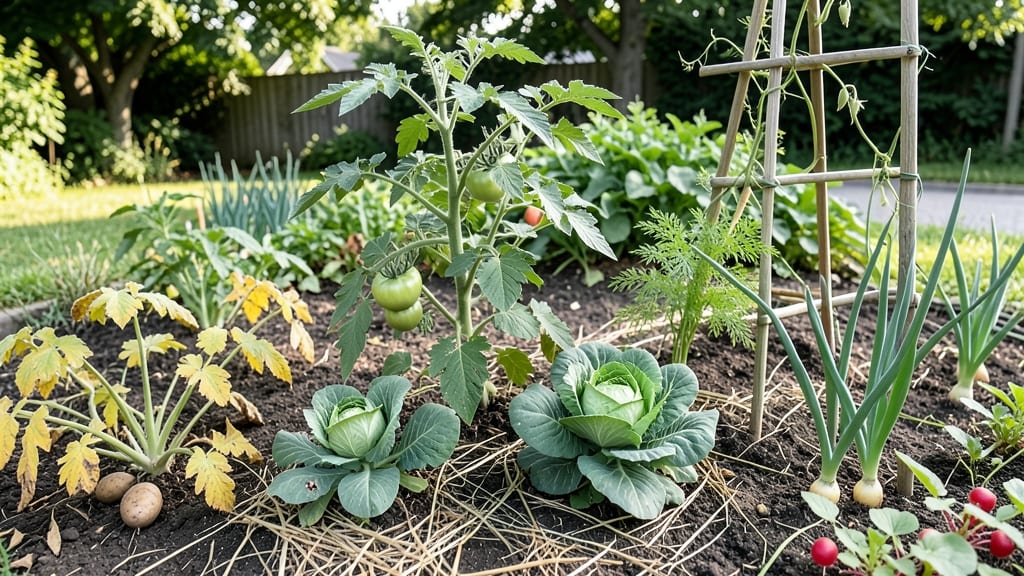
A victory garden definition centers on home-grown vegetable and herb plots planted to supplement food supplies during shortages, originally popularized during World War I and World War II to boost national morale and reduce grocery demand. Today, they symbolize self-sufficiency and sustainable living.
A victory garden definition isn't just about growing food—it's about reclaiming control over what you eat. 🌱 During wartime, these gardens helped families stretch limited resources, with statistics showing they produced up to 40% of the nation's fresh vegetables during WWII.
That same spirit lives on today, but now with a focus on reducing food waste, supporting local economies, and even combating climate change through reduced transportation emissions. The core idea remains: growing your own food creates resilience, whether for your family or your community.
What makes modern victory gardens different is their adaptability. You don't need a sprawling backyard—container gardening on balconies or vertical gardens in small spaces work just as well. The movement has evolved to include permaculture principles and seasonal planting strategies that maximize yields while working with nature.
It's less about patriotism and more about practical sustainability, proving that the original victory garden definition still holds powerful relevance in today's world.
💡 In This Article
- Origins and Historical Impact of Victory Gardens
- Modern Victory Gardens: How to Start Your Own
Origins and historical impact of victory gardens
Victory gardens emerged as a direct response to food shortages during World War I, when the U.S. government launched the first official campaign in 1917 to encourage civilians to grow their own produce.
The effort was spearheaded by Charles Lathrop Pack, a magazine editor who framed gardening as a patriotic duty—comparing it to soldiers' contributions on the battlefield. By 1918, over 5 million gardens were producing 12% of the nation's fresh vegetables, freeing up commercial crops for troops overseas.
The movement exploded during World War II, when the U.S. Department of Agriculture and First Lady Eleanor Roosevelt promoted victory gardens as essential to the war effort.
At its peak in 1943, nearly 20 million gardens covered 40% of U.S. home front land, supplying 40% of the country's produce. Families grew everything from tomatoes (20 million pounds) to potatoes (1.3 billion pounds), with the average garden yielding 900 pounds of food annually.
This wasn't just about food—it was about morale, as gardens became community hubs where neighbors shared seeds and recipes.
The psychological impact was profound. Gardens gave families a sense of agency during uncertain times, with studies showing that households with victory gardens reported 30% higher food satisfaction despite rationing. The government even distributed free seeds and pamphlets with planting guides, creating a nationwide gardening renaissance.
What's fascinating is how these gardens worked in tandem with rationing systems—while meat and sugar were restricted, homegrown vegetables filled the nutritional gaps, proving that local production could stabilize food systems during crises.
Victory gardens also had economic ripple effects. By reducing grocery demand, they eased pressure on transportation networks already strained by wartime logistics. The movement even spawned "Victory Garden Week" celebrations in 1943, where communities competed for the most productive plots.
Post-war, many families continued gardening, laying the foundation for today's urban farming and community garden movements. The 1970s energy crisis saw a resurgence, proving that food security concerns transcend specific conflicts.
Today, historians view victory gardens as a case study in collective resilience. They demonstrate how temporary measures can create lasting cultural shifts—from seed-saving traditions to modern food sovereignty movements.
The original gardens were about survival, but their legacy lives on in today's sustainable agriculture practices, where the principles of local production and community collaboration remain just as vital. 🌱