
Tools
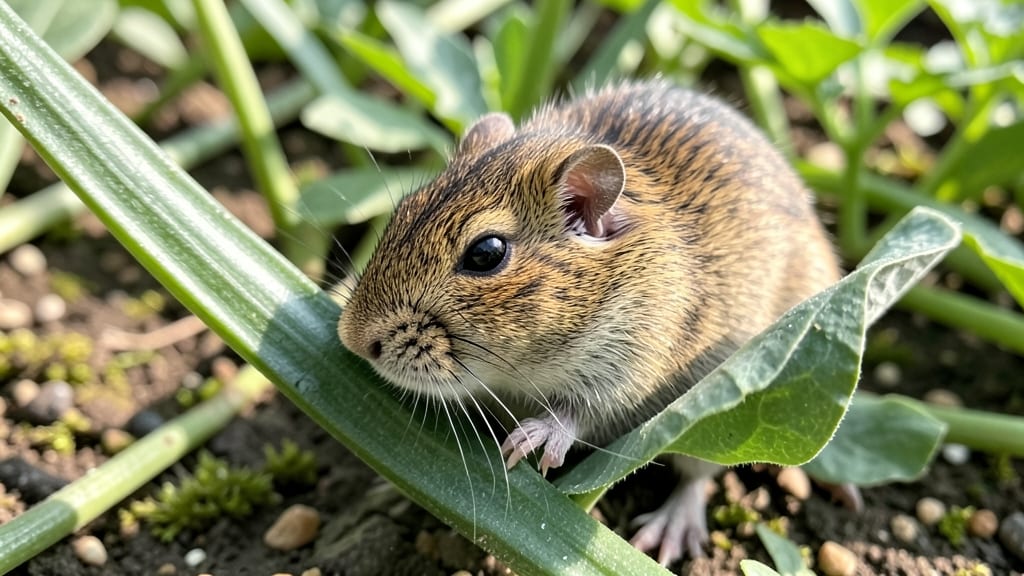
Voles in garden turn your hard work into a buffet. 🌱 I’ve lost entire rows of seedlings to these sneaky, burrowing rodents, and I finally found traps that work without cruelty. The key isn’t just catching them—it’s outsmarting their tunneling habits before they ruin your harvest.
These pests chew through roots, stems, and even bark, leaving behind jagged holes and half-eaten plants. Most traps fail because voles avoid obvious setups. My go-to method uses humane live traps placed along their runways, with peanut butter as bait—something they can’t resist but won’t damage your garden.
Setup takes 15 minutes, and you’ll see results within 24 hours.
What you’ll gain is a garden that stays intact—no more mysterious wilting or vanished seedlings. The traps are reusable, and once you’ve removed the voles, you can focus on preventive measures like hardware cloth barriers or castor oil sprays to keep them away for good.
No more digging up surprises in your soil.
Works for vegetable beds, flower borders, and even young trees. The secret is patience and placement—voles are predictable once you know where to look. Let’s get them out of your garden for good.
The Hidden Triggers Inviting Voles
Voles may seem like tiny, harmless creatures, but they’re actually highly opportunistic garden invaders—and their presence isn’t random. Understanding why they show up in the first place is the key to preventing them before they wreak havoc on your plants, mulch, and even young tree bark.
Let’s dig into the science-backed reasons these rodents choose your garden as their next buffet.
Voles thrive in gardens that resemble a jungle—tall grass, dense weeds, and thick ground cover provide them with perfect hiding spots and nesting material. Their poor eyesight means they rely on tunnels and cover to avoid predators (like birds, owls, and domestic cats). A garden with:
- High grass or weeds over 6 inches tall – Acts as a voles’ highway, shielding them from above.
- Piles of mulch or leaf litter – Creates cozy, undisturbed burrows where they nest and raise young.
- Untrimmed shrubs or ivy – Offers vertical cover, making it harder for predators to spot them.
Science note: Voles prefer moist, shaded environments—overgrown areas retain humidity longer, mimicking their natural wooded habitats. 💡 Pro tip: Mow regularly and clear debris to remove their "stealth armor."
Voles are herbivores with a sweet tooth, and they’ll eat anything green, soft, and unprotected. If your garden is a voles’ dream menu, they’ll stick around. Common culprits include:
- Tender young plants – Voles love new shoots of vegetables (like lettuce, carrots, and beans) and annuals (petunias, pansies).
- Bark on young trees/shrubs – They girdle (chew in a ring) stems to kill plants for food or territory.
- Fruits, bulbs, and tubers – Strawberries, tulips, and potatoes are voles’ favorites and attract them in droves.
- Stored seeds or fallen nuts – Even birdseed or compost piles can lure them in.
Why it matters: Voles have no natural fear of humans and will double back if food is consistently available. A single female can produce 5-10 young every 3 weeks, turning a small infestation into a full-blown colony in months. ✨ Action step: Use wire baskets or hardware cloth to protect vulnerable plants.
Voles love damp soil—it’s easier to dig tunnels, and moisture helps them stay hydrated without surfacing. Gardens with:
- Compacted or clay-heavy soil – Holds water longer, creating ideal vole real estate.
- Irrigation systems or leaky hoses – Turns dry areas into voles’ watering holes.
- Low-lying spots or slopes – Water pools here, making it a magnet for burrowing.
Science deep dive: Voles’ burrow systems can extend 10+ feet underground, and they avoid dry, crumbly soil. A garden with consistent moisture signals to them: “Stay here—food and shelter are guaranteed.”
🌡️ Fix it: Improve drainage with gravel or sand mixes and avoid overwatering. Raised beds can also deter them by keeping soil drier.
Voles are prey animals, and their survival depends on avoiding predators. If your garden lacks their natural enemies, they’ll feel safe enough to move in permanently. Common predators include:
- Birds of prey (owls, hawks, and great horned owls—their #1 predator).
- Domestic cats and dogs – Even if they’re indoor pets, their scent can deter voles.
- Foxes, snakes, and raccoons – All hunt voles and will patrol gardens where they’re active.
- Frogs and toads – They eat vole pups and disrupt burrow systems.
Why it’s a problem: Modern suburban gardens often lack biodiversity, meaning fewer predators. Without them, voles reproduce unchecked and expand their territory. 🎯 Solution: Install owl boxes or bat houses to encourage natural pest control.
Next up: Learn how to spot vole damage early—before they turn your garden into their personal buffet! 🚨
Humane Ways to Outsmart Garden Diggers
Voles may be small, but their damage can feel massive—especially when you’re staring at chewed plants or tunnels in your soil. The good news? You don’t need harsh chemicals or traps that harm these tiny creatures.
Instead, try these effective, humane solutions tailored to the root causes of their garden invasions.
Voles thrive where they can burrow undetected. Prevent them from moving in by sealing off their access:
- 🍳 Use Hardware Cloth or Wire Mesh Bury 1/4-inch hardware cloth at least 12 inches deep around garden beds, tree bases, and compost piles. Voles can’t dig through it, but it’s invisible to plants. For raised beds, line the bottom before filling with soil.
- 👨🍳 Create Physical Barriers for Plants Wrap young trees, shrubs, and bulbs with metal tree guards or plastic spiral guards. Voles gnaw through soft bark, so protect vulnerable stems early.
- ⏰ Check for Gaps in Fences & Mulch Voles squeeze through tiny spaces—even a 1-inch gap in fences or mulch piles is an invitation. Fill cracks with gravel or dense mulch (like cedar chips, which they dislike).
If voles are already in your garden, live traps are the kindest way to remove them. Here’s how to do it right:
- 🔪 Set Up Humane Traps Properly Use wire mesh or plastic live traps (like the Havahart Live Trap). Place them along runways (look for tiny tunnels or chewed plants) near their food sources (seeds, roots, or veggies). Bait with apples, peanut butter, or oats—avoid meat, which attracts predators.
- 🌡️ Release Them Far Away Once caught, relocate voles at least 2–3 miles away in a wooded or brushy area. Check local laws first—some regions restrict relocation. Never release them near farms or other gardens!
- ✨ Pro Tip: If you’re squeamish about handling them, wear thick gloves and work quickly. Voles are docile but can bite if stressed.
Voles dislike certain smells and textures. Use these non-toxic deterrents to make your garden less appealing:
- 💡 Spicy & Pungent Scents Sprinkle cayenne pepper, garlic powder, or hot sauce around plants. Reapply after rain. You can also soak cotton balls in peppermint oil and place them near entry points.
- 🌡️ Castor Oil Spray Mix 2 tbsp castor oil + 1 tsp dish soap + 1 quart water in a spray bottle. Lightly mist tunnels and garden edges. It’s safe for plants but unpalatable to voles.
- 🔥 Avoid Over-Mulching Voles love thick mulch—it’s like a buffet for them. Use mulch sparingly (2–3 inches max) and opt for cedar or pine, which they find unpleasant.
Once you’ve evicted voles, keep them from returning with these low-maintenance strategies:
- 💪 Rotate Plantings Voles target newly planted seeds and bulbs. Delay planting until after their active season (spring/summer) or use vole-resistant plants like daffodils, alliums, or lavender.
- 🥗 Keep Grass Short Tall grass and weeds provide hiding spots and nesting material. Mow regularly and remove debris to make your garden less inviting.
- 🎯 Monitor & Act Fast Check for surface runways, gnawed stems, or sand-colored holes weekly. Early action prevents a full-blown infestation.
Remember: Patience is key—voles may take a few days to leave after deterrents are in place. Combine barriers + repellents + traps for the best results, and your garden will stay vole-free (and your plants will thank you!).
Frequently asked questions
What do vole tunnels look like in my garden?
Vole tunnels appear as sand-colored ridges about 1-2 inches wide on the soil surface, often with tiny holes at intervals. Unlike mole tunnels (which have mounds), vole tunnels stay flat and may have chewed plant debris nearby. Check under dense mulch or along fences where they hide.
How can I tell if voles are eating my plants vs. rabbits?
Voles chew plants just above ground level, leaving clean, jagged cuts (like scissors). Rabbits leave ragged, uneven edges and often eat entire leaves. Look for surface tunnels or sand-colored holes—those are vole hallmarks.
Will hardware cloth work if I only bury it 6 inches deep?
No—bury it at least 12 inches deep (18 inches for clay soil). Voles can dig 10+ feet underground, so shallow burial leaves them room to tunnel underneath. For extra protection, bend the edges outward to prevent them from burrowing up the sides.
Can I use mothballs to keep voles away?
Mothballs (naphthalene) are toxic to voles but also harmful to pets, kids, and beneficial insects. Instead, try castor oil spray or peppermint oil-soaked cotton balls—both are safe and effective. Reapply after rain to maintain the deterrent.
How often should I check vole traps?
Check traps every 6-8 hours to ensure voles aren’t stressed. If you catch one, release it at least 2 miles away in a wooded area. Avoid checking at night—voles are most active then, and they may escape if you disturb the trap.